Introduction
Struggling to find the perfect keto drink that satisfies your taste buds and keeps you in ketosis? The Keto Smoothies Guide aims to simplify this process by providing a comprehensive decision rubric to help you choose the best keto-friendly smoothies and drinks based on ingredients, flavor preferences, and health goals. Whether you're a beginner or an experienced keto enthusiast, making informed choices about your beverages can enhance your low-carb lifestyle, support weight management, and boost overall wellness.
In this article, you'll learn how to evaluate ingredients, nutritional content, and flavor considerations, enabling you to confidently select drinks that align with your macro targets and taste preferences. By following this guide, you'll enjoy a variety of satisfying and healthful keto beverages without the confusion or risk of derailing your ketosis.
Understanding Keto-Friendly Smoothie Ingredients
Choosing the right ingredients is fundamental to crafting keto-compliant smoothies and drinks. This section breaks down the essential components—fats, sweeteners, and proteins—that ensure your beverage remains low in carbs while providing flavor and nutrition.
Low-Carb Fats
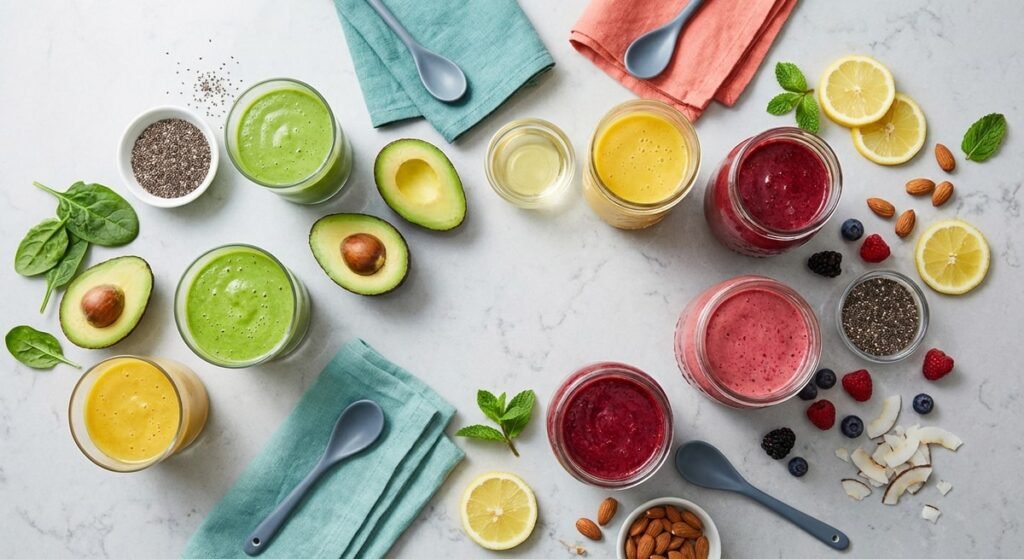
Healthy fats are the cornerstone of keto smoothies, providing energy and creaminess. Popular options include:
- Coconut oil: Rich in medium-chain triglycerides (MCTs), supports quick energy.
- Avocado: Adds creaminess and fiber, low in net carbs.
- Nut butters (almond, macadamia): High in fats, moderate in carbs—choose unsweetened varieties.
- Heavy cream or full-fat Greek yogurt: For a rich texture with minimal carbs.
Sugar Substitutes
Sweetening your keto drinks without kicking you out of ketosis involves using low-carb sweeteners:
| Feature | Option 1 | Option 2 | Option 3 |
|---|---|---|---|
| Sweetener | Stevia | Erythritol | Monk fruit extract |
| Carbohydrate content | Virtually zero | Zero | Zero |
| Taste profile | Sweet, slightly licorice-like | Similar to sugar | Mild, natural sweetness |
| Usage tips | Use sparingly; some have aftertaste | Can be baked or used in drinks | Adjust to taste as they vary in potency |
Protein Sources
Protein not only helps keep you full but also supports muscle maintenance:
- Whey isolate: High-quality, quick digesting, minimal carbs.
- Collagen peptides: Flavorless, supports joint and skin health.
- Plant-based proteins (hemp, pea): Suitable for vegans, moderate in carbs.
- Greek yogurt: Thickens smoothies and provides probiotics.
Evaluating Nutritional Content for Keto Compliance
Not all smoothies are created equal—some may contain hidden carbs or excess calories. It’s critical to evaluate the nutritional content to stay within your keto macros.
Carbohydrate Limits
To maintain ketosis, most individuals aim to keep total carbs below 20-25 grams per day. For smoothies, this often means:
- Limiting fruit to berries (strawberries, raspberries)
- Choosing low-carb ingredients and sweeteners
- Reading labels to ensure minimal added sugars
Caloric Intake
While some keto followers aim for calorie control, others focus on macros. Be mindful that adding fats and proteins increases caloric density but supports satiety.
Macronutrient Ratios
A typical keto ratio involves:
- Fats: 70-80%
- Protein: 15-25%
- Carbohydrates: 5-10%
Adjust ingredients accordingly to fit your specific macro targets. Use tools like {{LINK:macrocalculator}} to fine-tune your recipes.
Flavor and Texture Considerations
A delicious smoothie is more than just macros; flavor and texture play vital roles in adherence and enjoyment.
Taste Preferences
Identify whether you prefer:
- Sweet, fruity flavors (berries, vanilla)
- Rich, chocolatey profiles (cocoa, almond)
- Herbal or spicy notes (cinnamon, ginger)
Creaminess and Texture
Achieving the right mouthfeel involves balancing fats and liquids:
- Use frozen ingredients for thickness
- Add cream or coconut milk for creaminess
- Incorporate ice or water to adjust thickness
Add-ins and Enhancers
Boost flavor, health benefits, and satiety with:
- Spices (cinnamon, turmeric)
- Superfoods (maca powder, chia seeds)
- Flavor extracts (vanilla, almond)
- Crucial tip: Avoid ingredients with hidden carbs or added sugars.
Health Benefits and Special Considerations
Keto smoothies can support various health goals when chosen wisely.
Digestive Health
Adding fiber-rich ingredients like chia or flaxseeds can promote gut health.
Blood Sugar Stability
Low-glycemic ingredients prevent spikes, supporting stable energy levels.
Allergy-Friendly Options
Be mindful of common allergens:
- Use seeds or nut-free alternatives for allergies.
- Check labels for potential cross-contamination.
For detailed insights into keto nutrition, consult sources like Mayo Clinic or review recent research on keto diet benefits via PubMed.
Practical Tips for Making the Perfect Keto Drink
Once you've selected your ingredients, follow these steps to ensure optimal results:
Keto Smoothie Preparation Checklist
- Choose your base liquid: almond milk, coconut milk, or water.
- Add your fats: avocado, coconut oil, or nut butters.
- Include protein: collagen, whey isolate, or Greek yogurt.
- Sweeten naturally: stevia, erythritol, or monk fruit.
- Incorporate flavorings: vanilla extract, cinnamon, or cocoa powder.
- Add frozen fruits or vegetables for texture and flavor.
- Blend thoroughly until smooth and creamy.
- Taste and adjust sweetness or thickness as needed.
Storage Tips
- Store in airtight containers for up to 24 hours.
- Shake or stir before drinking if stored longer.
- Consider pre-portioning ingredients for quick prep.
Customization Ideas
- Add greens like spinach or kale for extra nutrients.
- Mix in adaptogens like ashwagandha.
- Use different berries for variety.
Conclusion
Choosing the right keto smoothies and drinks is about understanding ingredients, balancing macros, and aligning flavors with your preferences. This Keto Smoothies Guide provides a decision rubric—featuring a decision tree, comparison matrix, and preparation checklist—to streamline your selection process and help you enjoy a variety of satisfying, keto-friendly beverages.
With this knowledge, you can craft personalized drinks that support your health goals, keep you in ketosis, and make your low-carb journey more enjoyable. Start experimenting today, and explore our {{LINK:top-rated-keto-recipes}} to find delicious ideas that fit your lifestyle.
FAQ Section
Q: What ingredients should I look for in keto smoothies?
A: Focus on healthy fats like coconut oil, low-carb sweeteners such as stevia, and high-quality protein sources like collagen or whey isolate. Always check labels to ensure minimal carbs.
Q: How many carbs can a keto smoothie contain?
A: To stay in ketosis, aim for smoothies with less than 20-25 grams of total carbs per serving, depending on your individual macro targets.
Q: Can I add fruits to my keto smoothies?
A: Yes, but in moderation. Berries like strawberries and raspberries are lower in carbs and can add flavor without exceeding your carb limit.
Q: Are artificial sweeteners safe in keto drinks?
A: Most artificial sweeteners like erythritol and stevia are considered safe and suitable for keto, but always use them in moderation and check for individual sensitivities.
Q: How can I make my keto smoothies more filling?
A: Add healthy fats like avocado or nut butters and incorporate fiber-rich ingredients to increase satiety while keeping carbs low.
Disclosure
Please note that individual responses to ingredients may vary. Always consult with a healthcare professional before making significant dietary changes, especially if you have underlying health conditions.
Final thoughts
By applying this Keto Smoothies Guide, you'll be empowered to make informed decisions and enjoy delicious, compliant beverages that support your keto lifestyle. Happy blending!