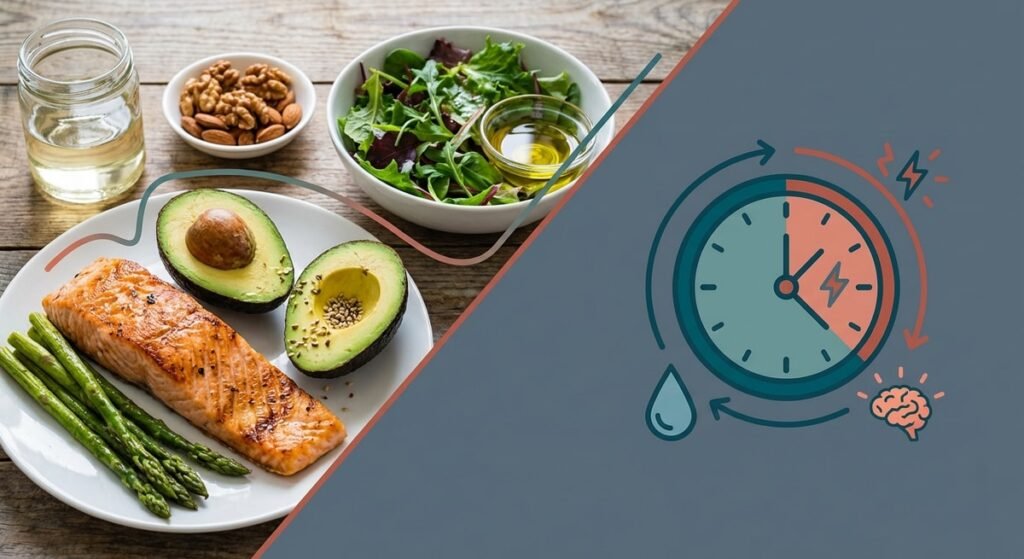

Introduction
Struggling with bloating, irregular digestion, or gut discomfort on keto? Keto Gut Health has become a vital consideration for many following a low-carb or ketogenic lifestyle. While the keto diet offers numerous benefits such as weight loss, improved insulin sensitivity, and increased energy, its effects on gut health are complex and warrant careful attention. This comprehensive guide explores how keto influences the gut microbiome, inflammation, and digestion, providing evidence-based strategies to optimize gut function while maintaining your low-carb goals. Whether you're a beginner or a seasoned keto enthusiast, understanding these interactions can help you tailor your diet for better digestive health and overall well-being.
Learn how to support your gut microbiota, reduce inflammation, and incorporate gut-friendly foods into your keto lifestyle with practical tips grounded in scientific research. For more detailed insights into the science of gut health, visit {{LINK:gut-science}}, and for personalized dietary advice, consult trusted sources like Mayo Clinic.
Understanding the Impact of Keto on Gut Health
How Keto Alters Gut Microbiota
The gut microbiome comprises trillions of bacteria that influence digestion, immunity, and even mood. Dietary patterns significantly impact microbiome diversity and composition. The keto diet, characterized by high fat, moderate protein, and low carbohydrate intake, can lead to shifts in microbial populations. Some studies suggest that reduced carbohydrate availability may decrease the abundance of beneficial bacteria that thrive on fiber, such as Bifidobacteria, potentially leading to dysbiosis (microbial imbalance) [PubMed].
However, the effect is not universally negative. The inclusion of certain keto-compatible prebiotic fibers, such as inulin from chicory root or resistant starches, can promote beneficial bacteria. The key is balancing macronutrients and fiber intake to support microbiome diversity, which is essential for gut health.
Inflammation and Gut Barrier Function
Keto's influence on inflammation is complex. While some individuals experience reduced systemic inflammation due to weight loss and metabolic improvements, others may face increased intestinal permeability ("leaky gut") if the diet lacks sufficient fiber and gut-supportive foods. An intact gut barrier prevents harmful substances from entering circulation, and a diet deficient in fiber and fermented foods can compromise this barrier, leading to chronic inflammation that adversely affects overall health [PubMed].
Scientific Evidence on Keto and Gut
Research on keto and gut health is ongoing, with some studies indicating potential benefits like reduced gut inflammation and improved metabolic markers. Conversely, other research highlights the risk of microbiome depletion without proper dietary support. A balanced approach that includes gut-friendly foods can help maximize benefits and mitigate risks.
Foods and Supplements to Support Gut Health on Keto
Fermented Foods and Probiotics
Fermented foods are rich in beneficial probiotics that restore and maintain a healthy gut microbiota. Incorporating foods like sauerkraut, kimchi, kefir, and yogurt into your keto diet can enhance microbial diversity. Probiotic supplements are also available but should be chosen carefully, ideally containing strains like Lactobacillus and Bifidobacterium, which are well-studied for gut health.
Fiber-Rich Keto-Friendly Foods
Even on a low-carb diet, fiber is crucial for gut motility and microbial nourishment. Non-starchy vegetables such as spinach, zucchini, and cauliflower provide soluble fiber, while nuts and seeds can offer additional prebiotic fibers. Resistant starches from cooled cooked potatoes or green bananas can serve as fermentable fibers that support beneficial bacteria.
Supplements for Gut Support
Supplements like digestive enzymes, prebiotics, and omega-3 fatty acids may help support gut health. Prebiotics, such as inulin and galacto-oligosaccharides (GOS), promote healthy bacteria growth. Always consult a healthcare professional before starting new supplements, especially on a restrictive diet like keto.
Practical Tips for Improving Gut Health on Keto
Increase Fermented Food Intake
Regularly include fermented foods in your meals to boost probiotic intake. Aim for at least 3-4 servings per week to support microbial diversity.
Balance Macronutrients for Gut Health
Ensure your diet includes sufficient fiber and healthy fats. Avoid excessive protein that may produce harmful metabolites during digestion. Use {{LINK:macro-balancing}} as a guide to optimize your macronutrient ratios.
Stay Hydrated and Manage Stress
Adequate water intake supports digestion and fiber function. Stress management techniques like meditation or deep breathing can reduce gut inflammation and support microbiome health.
Incorporate Gut-Friendly Supplements
Consider adding probiotic and prebiotic supplements tailored to your needs. Always choose reputable brands and consult with a healthcare provider before use.
Keto and Gut Health Decision Flowchart
Start Here: Are you experiencing symptoms like bloating, irregular bowel movements, or gas?
- Yes → Consider evaluating your diet and lifestyle for gut support
- Are you consuming enough fiber from vegetables, nuts, or seeds?
- Yes → Proceed to monitor symptoms; consider adding fermented foods
- No → Increase intake of keto-friendly fiber-rich foods
- Are you including fermented foods or probiotics regularly?
- Yes → If symptoms persist, consult a healthcare professional
- No → Start incorporating fermented foods and consider supplements
- Are you consuming enough fiber from vegetables, nuts, or seeds?
- No → Maintain your current diet but continue monitoring gut health
Gut-Friendly Foods vs. Common Keto Foods
| Feature | Gut-Friendly Foods | Common Keto Staples | Evaluation Criteria |
|---|---|---|---|
| Fiber Content | High in soluble and prebiotic fibers (e.g., artichokes, garlic, asparagus) | Low in fiber, mainly meats, cheese, eggs | Fiber density, prebiotic content, microbiome support |
| Probiotic Presence | Fermented foods like sauerkraut, kefir | Usually absent unless supplemented | Probiotic strains, live cultures |
| Anti-inflammatory Properties | Rich in omega-3s (e.g., fatty fish, walnuts), antioxidants | Often lower in anti-inflammatory compounds | Omega-3 content, antioxidant levels |
| Impact on Microbiome | Promotes diversity and beneficial bacteria | Potentially reduces diversity without support | Microbial diversity, health outcomes |
| Best For | Supporting microbiome health and reducing inflammation | Maintaining ketosis and weight loss | Overall gut health and metabolic health |
Methodology/Evaluation Criteria:
- Fiber content and prebiotic capacity
- Presence of probiotic strains
- Anti-inflammatory compounds
- Impact on microbiome diversity
Steps to Support Gut Health on Keto
- Increase Fermented Food Intake: Incorporate sauerkraut, kimchi, yogurt, or kefir into your daily meals to boost beneficial bacteria.
- Prioritize Fiber-Rich Keto Vegetables: Include non-starchy vegetables like leafy greens, zucchini, and cauliflower to support digestion.
- Reduce Processed Foods and Artificial Additives: Minimize consumption of processed meats, sugar alcohols, and artificial sweeteners that can disrupt gut flora.
- Stay Well-Hydrated: Drink plenty of water to facilitate digestion and fiber function.
- Incorporate Healthy Fats: Use omega-3 rich foods like fatty fish and flaxseeds to reduce inflammation.
- Manage Stress: Practice mindfulness, meditation, or deep-breathing exercises to lower stress levels impacting gut health.
- Consider Supplements: Use probiotics or prebiotics as needed, preferably under professional guidance.
- Monitor Symptoms: Keep track of gut-related symptoms to identify triggers and adjust accordingly.
Long-term Strategies for Maintaining Gut Health on Keto
Incorporating Gut-Friendly Lifestyle Habits
Consistently include fermented foods, maintain high fiber intake, and manage stress to promote a resilient microbiome. Lifestyle choices such as adequate sleep and regular physical activity also support gut health.
Monitoring Symptoms and Making Adjustments
Regularly assess how your gut responds to dietary changes. Use symptom diaries or consult healthcare providers for personalized adjustments.
Periodic Reassessment of Diet
Consider periodic "gut reset" phases, such as reintroducing certain fibers or fermented foods, to maintain microbiome diversity and prevent imbalance.
Conclusion
Supporting gut health on keto involves a strategic balance of dietary choices, lifestyle habits, and mindful adjustments. Incorporating fermented foods, high-fiber vegetables, and stress management techniques can significantly improve digestion and microbial diversity while helping you enjoy the benefits of a low-carb lifestyle. Remember, individual responses vary, so personalized approaches and professional guidance are invaluable. Start implementing these strategies today to optimize your gut health and enhance your overall wellness on keto.
FAQ Section
Q: Can keto cause gut issues?
A: Yes, some individuals may experience bloating, constipation, or microbiome imbalance when starting keto, often due to reduced fiber intake or dietary changes. Proper planning, including fiber-rich foods and fermented products, can mitigate these effects. For more details, see {{LINK:gut-issues}}.
Q: What foods support gut health on keto?
A: Fermented foods like sauerkraut, kimchi, kefir, and high-fiber vegetables such as spinach and zucchini are excellent choices to support gut microbiota and digestion.
Q: Are probiotics beneficial on keto?
A: Yes, probiotics can help restore beneficial bacteria, especially during dietary transitions. Choose strains with proven efficacy and consult your healthcare provider for personalized recommendations.
Q: How can I reduce bloating on keto?
A: Increase fermented foods, drink plenty of water, limit sugar alcohols, and avoid processed meats that may cause bloating.
Q: Is it safe to take supplements for gut health on keto?
A: Many supplements like probiotics and digestive enzymes are safe when used appropriately. Always consult with a healthcare professional before starting new supplements, particularly on a restrictive diet.
Final Note
Supporting your gut health while on keto is a vital component of long-term success and well-being. By making mindful food choices, managing stress, and incorporating gut-friendly habits, you can enjoy the benefits of keto without compromising your digestive health. Start today, and for tailored advice, consider consulting with a healthcare professional specialized in gut health and nutrition.
Disclaimer: This article is for informational purposes only and does not substitute professional medical advice. Always consult with a healthcare provider before making significant dietary or lifestyle changes.