Introduction
Keto Cholesterol Research has gained significant attention in recent years as many individuals explore the potential health impacts of ketogenic diets. Many keto enthusiasts wonder how this high-fat, low-carbohydrate approach influences cholesterol levels and overall heart health. This curiosity stems from conflicting information—some claiming keto improves lipid profiles, while others express concern about increased LDL cholesterol, often called the "bad" cholesterol.
This article reviews current research on keto and cholesterol, examining whether keto raises or lowers heart health risks, and what the latest studies reveal. By understanding the science, you can make informed decisions about your diet and monitor your health effectively. Whether you're a beginner or an intermediate keto practitioner, this evidence-based guide aims to clarify the relationship between keto and cholesterol, helping you optimize your health without misconceptions.
Understanding the Impact of Keto on Cholesterol Levels
What the Research Shows
The relationship between ketogenic diets and cholesterol is complex and varies among individuals. Keto Cholesterol Research indicates that while some people experience increases in total cholesterol, others see improvements in HDL and triglyceride levels. The key is to interpret these changes within the broader context of cardiovascular risk factors.
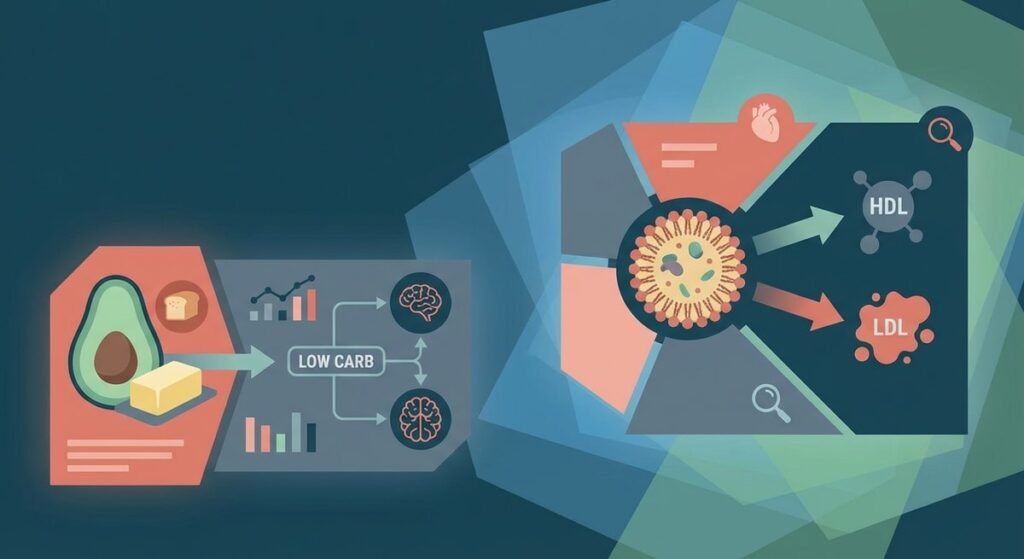
Recent studies suggest that keto can lead to significant alterations in lipid profiles, but these changes are not uniformly negative. For example, some research indicates an increase in LDL cholesterol levels, but concurrently, there is often a rise in HDL ("good") cholesterol and a decrease in triglycerides, which are beneficial for heart health. The overall impact may be positive or neutral depending on individual responses and the quality of fats consumed.
LDL and HDL Changes
-
LDL Cholesterol: Some individuals experience elevated LDL levels on keto, which historically has been linked to increased heart disease risk. However, recent research emphasizes that LDL particle size matters—larger, fluffy LDL particles are less harmful than small, dense LDL particles. Keto can promote a shift toward larger LDL particles, which are less associated with atherosclerosis.
-
HDL Cholesterol: Many keto dieters see a notable increase in HDL levels, which helps remove excess cholesterol from the bloodstream and is associated with reduced cardiovascular risk.
Triglycerides and Heart Risk
Triglyceride levels tend to decrease significantly on keto, which is a positive indicator for heart health. Elevated triglycerides are linked to metabolic syndrome and increased cardiovascular risk, so their reduction is considered beneficial.
The Significance of Keto Cholesterol Research
Understanding these nuanced effects is crucial, as Keto Cholesterol Research underscores that not all cholesterol changes are equally risky. The focus should be on comprehensive lipid profiles and other markers like LDL particle size, inflammation, and insulin sensitivity.
How to Monitor Cholesterol When Following Keto
Recommended Testing Frequency
- Initial baseline testing: Before starting keto.
- Follow-up testing: Every 3 to 6 months after initiating or making significant dietary adjustments.
- Long-term monitoring: Annually or as recommended by your healthcare provider.
Regular testing helps identify how your body responds and whether dietary modifications are necessary.
Interpreting Your Results
Interpreting cholesterol changes on keto involves more than just LDL and HDL numbers. Consider:
- LDL particle size and number (more relevant than total LDL)
- Triglyceride levels
- Total cholesterol in context with other risk factors
- Inflammatory markers such as CRP
Consult a healthcare professional for personalized interpretation and guidance.
Optimizing Your Keto Diet for Heart Health
Healthy Fats to Include
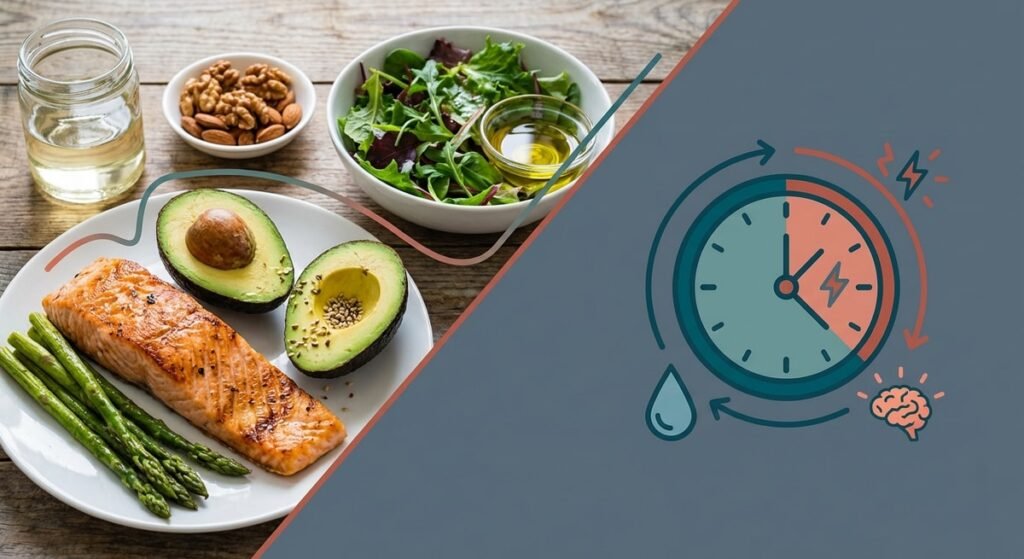
- Fatty fish (salmon, mackerel, sardines)
- Flaxseed and chia seeds (rich in omega-3s)
- Walnuts and almonds
- Olive oil and avocado oil
- MCT oil (medium-chain triglycerides)
Prioritize unsaturated fats, which are linked to better cholesterol profiles and reduced inflammation.
Foods to Avoid
- Processed meats high in saturated fats
- Trans fats found in some baked goods and snacks
- Excessive consumption of red meats
- Fried foods
Limiting these can help prevent adverse lipid changes and promote overall health.
Lifestyle Factors
- Regular physical activity
- Smoking cessation
- Adequate sleep
- Stress management
These factors significantly influence cholesterol levels and cardiovascular health.
Should You Be Concerned About Keto and Cholesterol?
Decision Tree: Should You Be Concerned About Keto and Cholesterol?
Start Here: Are you concerned about your cholesterol levels?
- Yes
  - Do you have a history of heart disease or high cholesterol?
    - Yes
      - Consult your healthcare provider before starting keto.
      - **Sub-question?**
        - Yes → Regularly monitor your cholesterol and adjust diet as recommended.
        - No → Proceed with caution, maintain a balanced intake of healthy fats.
    - No
      - Follow a balanced keto diet focusing on healthy fats.
      - Schedule periodic cholesterol testing.
- No
  - Are you healthy and not at risk?
    - Yes → Continue keto with regular health check-ins.
    - No → Consult a healthcare provider for personalized advice.
Note: This decision tree simplifies the process; always discuss your diet plans with a healthcare professional, especially if you have existing health concerns.
Cholesterol Levels: Keto vs. Standard Diet
Comparison Matrix
| Feature | Keto Diet | Standard Diet | Evaluation Criteria |
|---|---|---|---|
| Total Cholesterol | Often increases, varies | Usually stable or decreases | Changes in total cholesterol, LDL, HDL, triglycerides |
| LDL Cholesterol | May increase in some, large particles prevalent | Often stable or slightly higher | Particle size and number, subtypes |
| HDL Cholesterol | Generally increases | Stable or lower | HDL levels, HDL/LDL ratio |
| Triglycerides | Usually decrease significantly | May vary | Triglyceride levels, impact on metabolic health |
| Heart Disease Risk | Mixed; depends on individual response | Variable; lifestyle-dependent | Overall lipid profile, inflammation markers |
Methodology/Evaluation Criteria:
- Sample Population: Adult individuals following keto vs. standard diets.
- Duration: Studies typically span 3-12 months.
- Parameters Measured: Lipid panel, particle size, inflammatory markers.
- Outcome Measures: Changes in lipid profile, cardiovascular risk indicators.
For detailed scientific data, see {{LINK:latest-keto-lipid-studies}} and {{LINK:cholesterol-assessment}}.
Steps to Monitor and Improve Cholesterol on Keto
- Get baseline lipid profile: Measure total cholesterol, LDL, HDL, triglycerides before starting keto.
- Schedule regular testing: Every 3-6 months to track changes.
- Focus on healthy fats: Incorporate omega-3 rich sources like fatty fish and flaxseed.
- Limit saturated and trans fats: Reduce intake of processed and fried foods.
- Increase fiber intake: From vegetables, nuts, and seeds to support lipid health.
- Maintain physical activity: Aim for at least 150 minutes of moderate exercise weekly.
- Manage stress: Practice mindfulness or yoga to reduce inflammation.
- Consult healthcare providers: For personalized advice and to interpret results.
Conclusion
Current research indicates that keto's effects on cholesterol vary between individuals, emphasizing the importance of regular monitoring and personalized dietary adjustments. While some may experience increases in LDL cholesterol, these changes are often accompanied by beneficial shifts in HDL and triglycerides. The key to safely enjoying keto while maintaining heart health lies in focusing on the quality of fats consumed, ongoing testing, and professional guidance.
By staying informed through Keto Cholesterol Research and adopting a balanced approach, you can optimize your health and reduce potential risks. Always consult your healthcare provider to interpret your cholesterol results and tailor your keto diet accordingly.
FAQ Section
Q: Does keto increase bad cholesterol (LDL)?
A: Some studies show an increase in LDL cholesterol in certain individuals on keto, but responses vary; regular monitoring is recommended.
Q: Can keto help improve HDL levels?
A: Yes, many people experience increased HDL, known as the 'good' cholesterol, which is beneficial for heart health.
Q: How often should I check my cholesterol on keto?
A: It is advisable to check cholesterol levels every 3 to 6 months, especially when starting or making significant dietary changes.
Q: Are there specific fats I should focus on for heart health?
A: Yes, prioritize omega-3 rich fats like fatty fish, flaxseed, and walnuts, and limit saturated fats from processed foods.
Q: Is keto safe for people with existing cholesterol concerns?
A: It can be safe if carefully managed under medical supervision, with regular testing to monitor cholesterol levels and adjust diet accordingly.
Disclaimer: This article is for informational purposes only and does not substitute professional medical advice. Always consult your healthcare provider before making significant dietary changes, especially if you have underlying health conditions.
For more detailed guidance, visit {{LINK:keto-health-best-practices}} and {{LINK:heart-health-resources}}.