Introduction
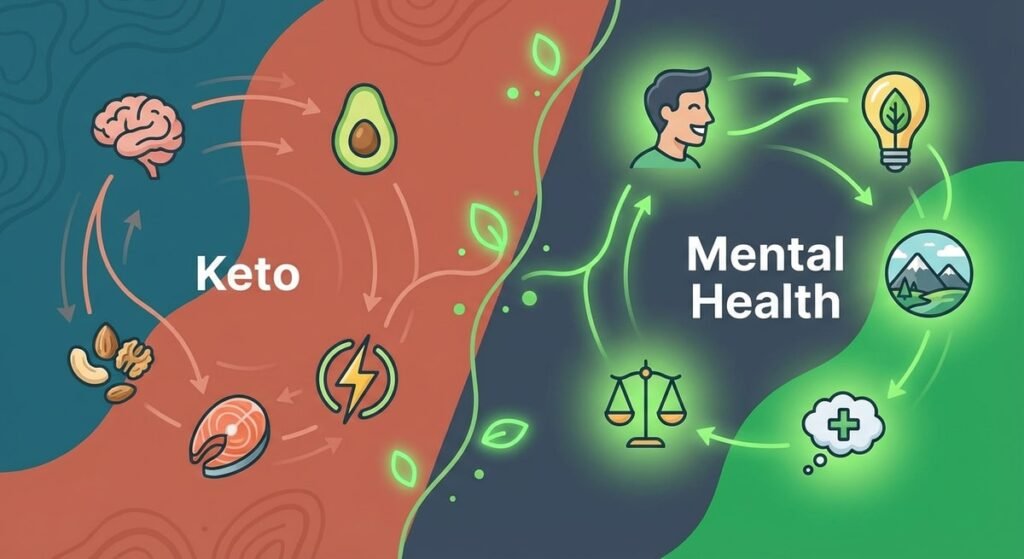
Keto Mental Health has become a topic of growing interest among individuals exploring low-carb diets for cognitive and emotional well-being. As more people adopt the ketogenic lifestyle, questions about its impact on mental health—such as mood stability, focus, and neurological health—are increasingly relevant. This article compares how the keto diet influences mental health outcomes, examining both benefits and potential risks, to help you make informed decisions for your cognitive wellness within a low-carb framework.
Decision Tree: Keto and Mental Health Decision Tree
Start Here: Are you experiencing mood swings, anxiety, or cognitive difficulties?
- Yes → Consider whether your diet is ketogenic and if nutrient deficiencies or adaptation symptoms might be affecting your mental health.
- Sub-question? Are you experiencing persistent symptoms beyond initial adaptation?
- Yes → Seek professional guidance and consider adjusting your diet or supplement intake.
- No → Continue monitoring and incorporate mental wellness practices.
- Sub-question? Are you experiencing persistent symptoms beyond initial adaptation?
- No → Maintain your current diet and lifestyle, but stay informed about keto's effects on mental health.
- Sub-question? Are you planning to start keto for mental health benefits?
- Yes → Prepare with a structured plan and consult healthcare professionals.
- No → Keep your current approach and explore other mental health support options.
- Sub-question? Are you planning to start keto for mental health benefits?
Understanding the Connection Between Keto and Mental Health
How Keto Affects Brain Chemistry
The ketogenic diet shifts the body's primary energy source from glucose to ketones, molecules produced by the liver from fats. This metabolic change influences brain chemistry in several ways:
- Neurotransmitter Balance: Ketones may promote the production of gamma-aminobutyric acid (GABA), an inhibitory neurotransmitter that calms neural activity, potentially reducing anxiety and seizures (see {{LINK:neurotransmitter-keto}}).
- Reduced Inflammation: Keto has anti-inflammatory effects that may protect neural tissue and improve mental clarity.
- Stabilized Blood Sugar: Consistent glucose levels can prevent mood swings linked to hypoglycemia or insulin spikes.
The Role of Ketones in Cognitive Function
Research suggests that ketones serve as a highly efficient brain fuel, providing more stable energy than glucose. This stability may:
- Enhance mental clarity and focus
- Reduce mental fog
- Support neuroplasticity
According to studies available on PubMed, ketones can improve cognitive performance, especially in neurodegenerative conditions like Alzheimer’s disease.
Neuroprotective Effects of Keto
Keto's neuroprotective benefits include reducing oxidative stress and promoting mitochondrial health—crucial for maintaining cognitive function and preventing neurological decline. These effects are promising for mental health support, especially in aging populations or those with neurological vulnerabilities.
Mental Health Benefits of a Keto Diet
Mood Stabilization
Many individuals report improved mood and reduced irritability on keto, potentially due to stabilized blood sugar and enhanced neurotransmitter regulation. The anti-inflammatory properties may also contribute to better emotional resilience.
Enhanced Focus and Clarity
Keto’s steady energy supply helps improve concentration and mental clarity. This benefit is especially noticeable in individuals experiencing "brain fog" or fatigue, common in both low-carb beginners and long-term enthusiasts.
Reduced Anxiety and Depression
Some studies indicate that keto may help alleviate symptoms of anxiety and depression. This is thought to be related to neuroinflammation reduction, GABA enhancement, and stabilized blood sugar levels, which collectively support emotional health.
Potential Risks and Challenges to Mental Health on Keto
Keto Flu and Mood Swings
During the initial adaptation phase, some experience keto flu, characterized by fatigue, irritability, and mood swings. These symptoms typically subside within a few weeks but can temporarily affect mental well-being.
Nutritional Deficiencies Affecting Brain Health
A poorly planned keto diet may lack essential nutrients like B vitamins, magnesium, and omega-3 fatty acids—vital for brain function. Deficiencies can impair mood and cognitive performance if not properly managed.
Risk of Keto-Induced Anxiety
In some individuals, the restrictive nature of keto and electrolyte imbalances can trigger or worsen anxiety symptoms. Monitoring intake and managing side effects are crucial to minimize this risk.
Practical Tips for Supporting Mental Wellbeing on Keto
Incorporate Omega-3 Rich Foods
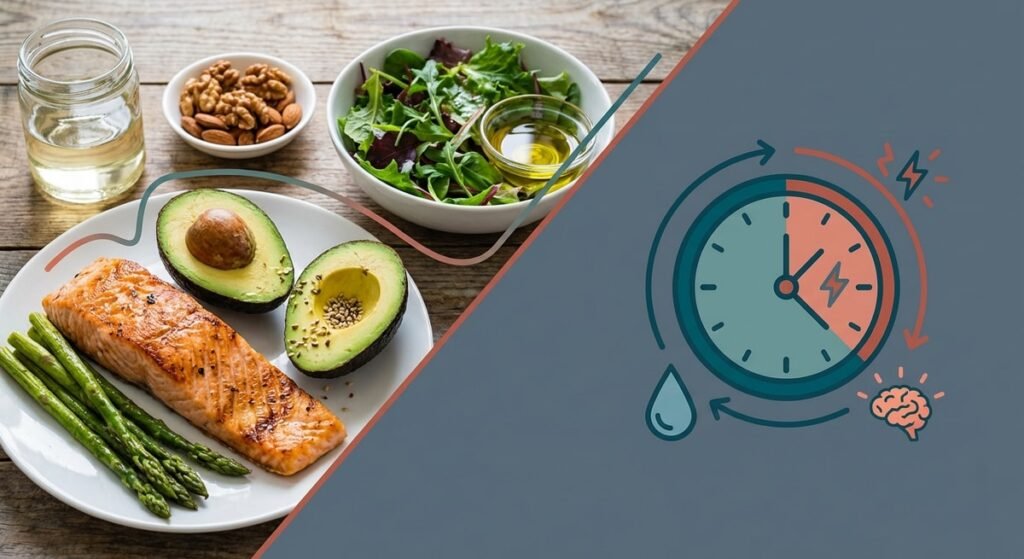
Foods like fatty fish (salmon, mackerel), walnuts, and flaxseeds are rich in omega-3s, supporting brain structure and mood regulation. Regular consumption can enhance keto’s mental health benefits.
Maintain Electrolyte Balance
Electrolytes like sodium, potassium, and magnesium are vital for nerve transmission and brain function. Supplement or include keto-friendly sources such as leafy greens and bone broth to prevent imbalances.
Practice Mindfulness and Stress Reduction
Engaging in meditation, yoga, or deep breathing exercises can help manage stress and improve emotional resilience during keto adaptation.
Regular Monitoring and Adjustment
Keep track of your mental health symptoms and nutrient intake. Adjust your diet as needed and consult healthcare professionals for personalized guidance.
How We Chose: Our Methodology
When comparing keto to other low-carb diets regarding mental health, we evaluated multiple factors:
- Scientific evidence from peer-reviewed studies on neurocognitive outcomes
- Anecdotal reports and personal testimonials
- Nutritional composition and potential for deficiencies
- Practicality and ease of implementation
- Expert opinions from neurologists and dietitians
- Safety considerations and risk management strategies
This comprehensive approach ensures balanced insights into keto’s effects on mental health, helping you weigh benefits against potential pitfalls.
Comparison Matrix: Keto vs. Low-Carb Mental Health Benefits
| Feature | Keto Diet | Moderate Low-Carb Diet | Very Low-Carb / Carnivore |
|---|---|---|---|
| Mood Stabilization | High potential due to blood sugar stability | Moderate, depends on carb sources | Variable; limited plant nutrients |
| Cognitive Clarity | Enhanced for many; ketones as fuel | Good, but less stable energy | Varies based on individual response |
| Neuroprotective Effects | Supported by research; anti-inflammatory | Less studied but possible | Limited evidence |
| Risk of Nutritional Deficiencies | Higher if not well-planned | Lower, more food variety | Higher, especially lacking plant nutrients |
| Ease of Implementation | Moderate; requires careful planning | Easier; more flexible | Challenging; very restrictive |
| Best For | Mental health support, neurological conditions | General health, weight management | Specific health goals with medical supervision |
Steps to Support Mental Health on Keto
- Monitor your mood and energy levels regularly to identify any adverse effects early.
- Ensure adequate intake of omega-3 fatty acids from fish, nuts, and seeds.
- Maintain electrolyte balance by adding salt to meals, consuming magnesium-rich foods, and staying hydrated.
- Track nutrient intake to prevent deficiencies, considering supplements if necessary.
- Manage keto flu symptoms with rest, hydration, and electrolyte replenishment.
- Practice stress reduction techniques like meditation or deep breathing daily.
- Gradually adjust your carbohydrate intake instead of abrupt changes to minimize mood disturbances.
- Consult healthcare professionals for personalized guidance and mental health support.
Conclusion
Keto can offer significant mental health benefits, from mood stabilization to enhanced cognitive function, but it requires mindful implementation and monitoring. Understanding how keto influences brain chemistry and neuroprotection empowers you to optimize your diet for mental well-being. Always consider individual responses and consult with healthcare professionals to tailor a keto plan suited to your needs.
Embark on your journey to better mental health with informed choices—your brain will thank you.
This content is for informational purposes and does not substitute professional medical advice. Consult a healthcare provider before making significant dietary changes.
This content is for informational purposes and does not substitute professional medical advice. Consult a healthcare provider before making significant dietary changes.
FAQ Section
Q: Can keto help with depression or anxiety?
A: Some studies suggest keto may support mood stabilization and reduce anxiety symptoms by providing stable blood sugar levels and neuroprotective effects. However, individual responses vary, and professional guidance is recommended. For more insights, see {{LINK:depression-anxiety-keto}}.
Q: Are there risks of mental health decline on keto?
A: Yes, potential risks include mood swings during adaptation, nutritional deficiencies, or increased anxiety if not properly managed. Monitoring your mental state and nutrient intake is essential. Learn more at {{LINK:keto-risks}}.
Q: How long does it take to see mental health benefits from keto?
A: Improvements can occur within a few weeks, but optimal results often take longer and depend on individual factors such as diet consistency, nutrient quality, and overall health.
Q: What foods support mental health on a keto diet?
A: Foods rich in omega-3 fatty acids like fatty fish, nuts, and seeds, along with leafy greens and avocados, support brain health and mood stability.
Q: Should I consult a professional before starting keto for mental health?
A: Absolutely. A healthcare provider or a registered dietitian can help tailor the keto plan to your mental health needs and monitor for any adverse effects.
References
- Neurotransmitter modulation via keto
- Keto and cognitive function studies
- Mayo Clinic on low-carb diets
Start integrating keto thoughtfully into your lifestyle and support your mental health journey today!