
Introduction
Experiencing sudden muscle cramps during your keto journey? You're not alone. Many individuals adopting or maintaining a ketogenic diet encounter keto muscle cramps, especially in the early stages or during periods of electrolyte imbalance. Understanding the underlying causes of these cramps, along with effective prevention and treatment strategies, is essential for maintaining comfort, health, and optimal performance on a low-carb lifestyle.
This comprehensive article delves into the science behind keto muscle cramps, exploring factors such as electrolyte imbalances, dehydration, and dietary adjustments. It offers practical, evidence-based tips to help you manage and prevent cramps, ensuring your keto experience remains sustainable and enjoyable. By understanding these key elements, you can minimize discomfort, enhance your energy levels, and stay active throughout your keto journey.
Understanding the Causes of Keto and Muscle Cramps
Electrolyte Imbalance
Electrolytes—primarily sodium, potassium, magnesium, and calcium—are vital for muscle function, nerve signaling, and fluid balance. On a keto diet, carbohydrate restriction leads to decreased insulin levels, which in turn causes the kidneys to excrete more sodium and water. This process can result in significant electrolyte loss, predisposing individuals to muscle cramps.
Scientific studies, such as those available on PubMed, confirm that electrolyte disturbances are a primary factor in muscle cramping. When electrolyte levels fall below optimal ranges, muscles may involuntarily contract, leading to cramps.
Dehydration
Keto's diuretic effect increases urine production, often resulting in dehydration if fluid intake isn't adequately increased. Dehydration exacerbates electrolyte imbalances and can directly cause muscle cramps. Symptoms include dry mouth, dizziness, and dark urine, which signal the need for improved hydration.
Adaptation Phase
During the initial phase of keto adaptation, the body shifts from glucose to fat as its primary energy source. This process involves glycogen depletion, which releases stored water and electrolytes, leading to temporary imbalances. Many beginners experience cramps during this period, which usually resolve as the body adjusts.
Prevention Strategies for Keto Muscle Cramps
Electrolyte Supplementation
Maintaining proper electrolyte levels is crucial. Supplementing with minerals such as magnesium and potassium can help prevent cramps. It’s advisable to consult with a healthcare provider before starting any supplements, especially if you have underlying health conditions.
Hydration Tips
Proper hydration supports electrolyte balance and muscle function. Drinking sufficient water throughout the day, especially during initial keto adaptation, helps mitigate dehydration-related cramps.
Diet Adjustments
Incorporate keto-friendly foods rich in electrolytes:
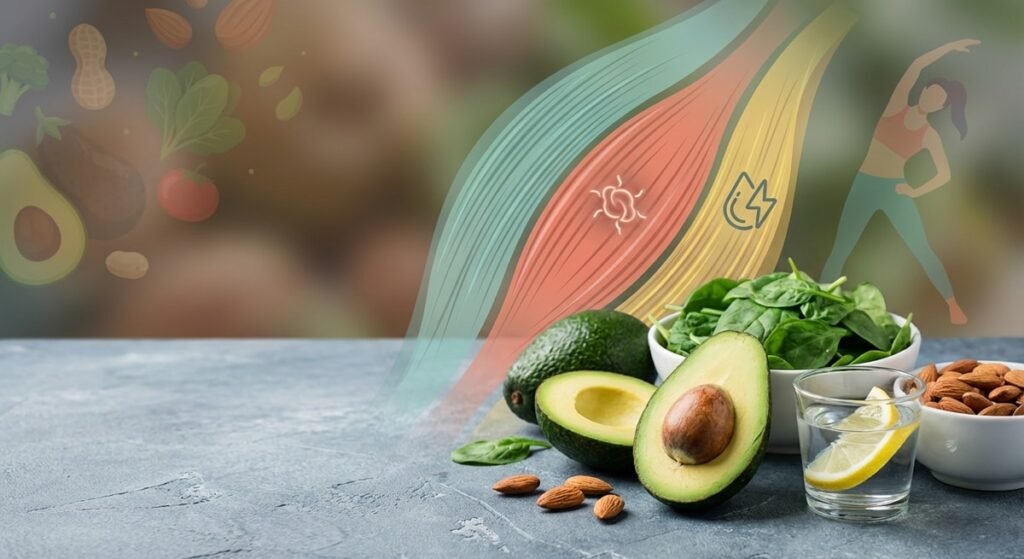
- Potassium: Avocados, spinach, mushrooms
- Magnesium: Nuts, seeds, dark chocolate (in moderation)
- Sodium: Salted broths, pickles, salted nuts
Adjusting your diet to include these foods can naturally support electrolyte levels, reducing the risk of cramps.
Effective Treatments for Muscle Cramps on Keto
Stretching and Massage
Gentle stretching and massage alleviate cramps by relaxing the affected muscles. For example, if you experience calf cramps, try stretching your calf muscle by flexing your foot upward.
Electrolyte Replenishment
Replenishing electrolytes during cramps can provide quick relief. Drinking electrolyte-rich beverages or using supplements can restore balance and ease muscle contractions.
Lifestyle Modifications
Avoid prolonged muscle overuse, maintain regular activity, and ensure adequate rest. These habits help prevent cramps from recurring.
Should You Try Supplementing Electrolytes?
Start Here: Are you experiencing frequent or severe muscle cramps?
- Option A: Yes → Consider electrolyte supplementation and hydration strategies.
- Sub-question? Do you notice other dehydration symptoms?
- Yes → Increase fluid intake and consider electrolyte supplements.
- No → Focus on dietary sources of electrolytes and monitor symptoms.
- Sub-question? Do you notice other dehydration symptoms?
- Option B: No → Maintain your current diet but stay vigilant for signs of imbalance.
- Sub-question? Are cramps becoming more frequent?
- Yes → Reassess electrolyte intake and hydration.
- No → Continue current practices and monitor progress.
- Sub-question? Are cramps becoming more frequent?
Electrolyte Sources Comparison
| Feature | Food Sources | Supplements | Drinks (Electrolyte) |
|---|---|---|---|
| Electrolyte Content | Rich in potassium (avocado, spinach), magnesium (nuts, seeds), sodium (sea salt) | Precise dosing, convenient | Typically contain sodium, potassium, magnesium |
| Absorption Rate | Slow but sustained | Rapid | Rapid |
| Cost | Moderate | Variable | Moderate to high |
| Keto-Friendliness | Yes, depending on ingredients | Yes | Yes (if unsweetened) |
| Best For | Daily dietary balance | Quick correction | On-the-go hydration |
Methodology/Evaluation Criteria:
- Nutrient density
- Absorption efficiency
- Compatibility with keto lifestyle
- Cost-effectiveness
- Ease of use
Muscle Cramps Prevention Checklist
- Stay Hydrated: Aim for at least 8-10 glasses of water daily; increase intake during exercise and hot weather.
- Electrolyte Balance: Supplement with magnesium, potassium, and sodium as needed; monitor levels periodically.
- Incorporate Electrolyte-Rich Foods: Regularly eat avocados, leafy greens, nuts, and salted foods.
- Stretch Regularly: Incorporate stretching routines targeting calves, quads, and hamstrings, especially before and after exercise.
- Limit Overexertion: Avoid excessive muscle strain; listen to your body.
- Monitor Symptoms: Keep track of cramps and dehydration signs to adjust your diet and hydration accordingly.
- Maintain Consistent Exercise: Engage in moderate activity without overdoing it, allowing muscles to adapt.
- Use Proper Footwear: Supportive shoes can reduce muscle strain during physical activity.
Long-Term Strategies and Lifestyle Tips
Consistent Electrolyte Monitoring
Regularly assess your electrolyte status, especially during the initial phase of keto or after significant dietary changes. Blood tests can provide insights into deficiencies, guiding supplementation.
Balanced Exercise Regimen
Incorporate a mix of strength, flexibility, and aerobic exercises to promote muscle health. Gradually increase intensity to allow your body to adapt.
Routine Check-Ins
Consult healthcare professionals periodically to ensure your electrolyte levels and hydration status support your active lifestyle.
Conclusion
Muscle cramps on keto are often related to electrolyte imbalances and dehydration but can be effectively managed with proper diet, hydration, and supplementation strategies. Recognizing the causes and implementing targeted prevention measures can significantly improve comfort and performance, making your keto journey more sustainable.
Take Action: Start incorporating electrolyte-rich foods and proper hydration into your daily routine. If cramps persist, consider consulting a healthcare professional to tailor an electrolyte management plan suited to your needs.
For more detailed guidance on keto nutrition and health, visit {{LINK:keto-nutrition}} and {{LINK:electrolyte-management}}.
FAQ Section
Q: Why do muscle cramps occur on the keto diet?
A: Muscle cramps on keto often result from electrolyte imbalances, dehydration, and the body's adaptation to low carbohydrate intake, which affects muscle function. Scientific research supports the link between electrolyte disturbances and cramping episodes (see PubMed).
Q: How can I prevent muscle cramps while on keto?
A: Ensure adequate intake of electrolytes through diet and supplements, stay well-hydrated, incorporate potassium and magnesium-rich foods, and maintain a balanced exercise routine.
Q: Are supplements necessary for muscle cramp prevention in keto?
A: Supplements like magnesium and potassium can be beneficial, especially during initial adaptation, but should be used under medical supervision to avoid overcorrection.
Q: Can dehydration cause muscle cramps on keto?
A: Yes, dehydration caused by increased diuresis during keto can lead to electrolyte loss and cramps. Proper hydration is essential to prevent this.
Q: How long does it take for muscle cramps to resolve on keto?
A: With proper electrolyte and hydration management, cramps often improve within days to a few weeks as your body adjusts to the diet.
Disclosure: This article is for informational purposes only and should not replace professional medical advice. Always consult with a healthcare provider before starting new supplements or making significant dietary changes.
By understanding the causes of keto muscle cramps and adopting effective prevention and treatment strategies, you can enjoy the benefits of your low-carb lifestyle with fewer discomforts. Stay proactive, monitor your body's signals, and enjoy a healthy, active keto journey!