
Introduction
Have you ever wondered how keto dieting impacts your hormonal balance? The keto hormones effects are a fascinating area of study, as this low-carb, high-fat lifestyle can significantly influence key hormones such as insulin, cortisol, and thyroid hormones. Understanding these effects is essential for anyone looking to optimize their health, energy levels, and overall well-being through dietary choices. In this article, we explore the scientific basis behind keto's influence on hormones, provide practical insights, and help you make informed decisions to support hormonal health while on a keto diet.
Understanding Hormonal Changes on the Keto Diet
The ketogenic diet induces a metabolic shift that can alter various hormonal pathways. These changes are complex but crucial for understanding how keto can be tailored to support or hinder hormonal balance.
Insulin and Glucose Regulation
Insulin, a hormone produced by the pancreas, regulates blood sugar levels. On a keto diet, carbohydrate intake drops significantly, leading to lower insulin secretion. This reduction improves insulin sensitivity, meaning your body becomes more efficient at using insulin to process glucose, which has implications for preventing or managing type 2 diabetes [[LINK:insulin-and-glucose]].
Cortisol Dynamics
Cortisol, often called the stress hormone, plays a vital role in energy regulation, immune response, and metabolism. During initial keto adaptation, some individuals experience an increase in cortisol levels due to physiological stress. Over time, however, cortisol levels tend to stabilize, supporting better stress resilience [[LINK:cortisol-and-stress]].
Thyroid Function and Keto
Thyroid hormones (T3 and T4) regulate metabolism and energy expenditure. Keto diets can influence thyroid function, especially if calorie intake is too low or nutrient intake is inadequate. Some individuals notice a temporary decrease in T3 levels during keto adaptation, which may impact metabolic rate if not properly managed [[LINK:thyroid-function]].
How Keto Diets Influence Insulin and Blood Sugar
Insulin Sensitivity Improvement
One of the most well-documented keto hormones effects is the enhancement of insulin sensitivity. By reducing carbohydrate intake, keto minimizes blood sugar spikes, leading to lower insulin levels. This process can reverse insulin resistance—a key factor in metabolic syndrome—and improve overall metabolic health [[https://pubmed.ncbi.nlm.nih.gov/30006205/]].
Blood Sugar Stability
Keto's ability to stabilize blood glucose levels means fewer energy crashes and cravings. This steady state can help manage conditions like prediabetes and type 2 diabetes, and supports long-term hormonal balance.
Impact of Keto on Thyroid Health
Thyroid Hormone Levels
While some individuals experience a temporary decrease in T3 during keto adaptation, long-term effects depend on dietary quality and caloric intake. Ensuring adequate intake of iodine, selenium, and other nutrients is vital for maintaining healthy thyroid function [[https://www.mayoclinic.org/diseases-conditions/thyroid-disease/in-depth/hormones-and-thyroid/art-20044214]].
Managing Thyroid Support on Keto
Proper nutrition, avoiding calorie deficits that are too aggressive, and monitoring thyroid function can help prevent negative impacts on thyroid hormones. Some practitioners suggest including moderate carbohydrates or using targeted keto approaches to support thyroid health [[LINK:keto-thyroid]].
Managing Cortisol and Stress Levels on Keto
Cortisol Fluctuations
The initial phase of keto can lead to increased cortisol, as the body adapts to a new fuel source—ketones. Elevated cortisol can affect sleep, mood, and fat storage. However, with proper management, these effects are often temporary.
Stress Management Strategies
To mitigate cortisol spikes, incorporate stress reduction techniques such as mindfulness, adequate sleep, and regular physical activity. Ensuring sufficient calorie and carbohydrate intake during the transition period can also help stabilize cortisol [[LINK:stress-management]].
Decision Tree: Hormone Impact Decision Tree
Start Here: Are you experiencing hormonal symptoms like fatigue, mood swings, or irregular periods?
- Option A: Yes → Consider evaluating insulin sensitivity and thyroid function.
- Sub-question? Is your energy low and mood unstable?
- Yes → Focus on nutrient-dense foods and possibly adjust carb intake.
- No → Continue monitoring hormones and consult healthcare provider.
- Sub-question? Is your energy low and mood unstable?
- Option B: No → Keto may support hormonal health, but stay vigilant.
- Sub-question? Are you experiencing stress or sleep issues?
- Yes → Incorporate stress management and sleep hygiene.
- No → Maintain balanced keto diet and periodic check-ins.
- Sub-question? Are you experiencing stress or sleep issues?
Comparison Matrix: Keto vs. Traditional Diet Hormonal Effects
| Feature | Keto Diet | Traditional High-Carb Diet | Methodology/Evaluation Criteria |
|---|---|---|---|
| Insulin Levels | Lower fasting insulin, improved sensitivity | Higher and variable insulin | Blood tests pre/post dietary changes |
| Leptin & Ghrelin | Increased leptin, decreased ghrelin, promoting satiety | Fluctuating levels, often less stable | Satiety questionnaires, hormone assays |
| Cortisol | Temporary increase during adaptation, stabilizes long-term | Generally stable, but can fluctuate with sugar spikes | Salivary cortisol testing |
| Thyroid Hormones | Possible transient decrease in T3, T4 stable with proper intake | Stable, but affected by caloric intake | Thyroid panel tests |
| Overall Impact | Supports metabolic and hormonal health when well-managed | Less impact on insulin sensitivity | Long-term health markers |
Evaluation based on clinical studies, hormone assays, and metabolic health outcomes.
Checklist: Optimizing Hormonal Balance on Keto
- Ensure Adequate Nutrients: Incorporate iodine, selenium, zinc, and other micronutrients essential for hormone production.
- Monitor Caloric Intake: Avoid excessive calorie restriction that can impair thyroid and adrenal function.
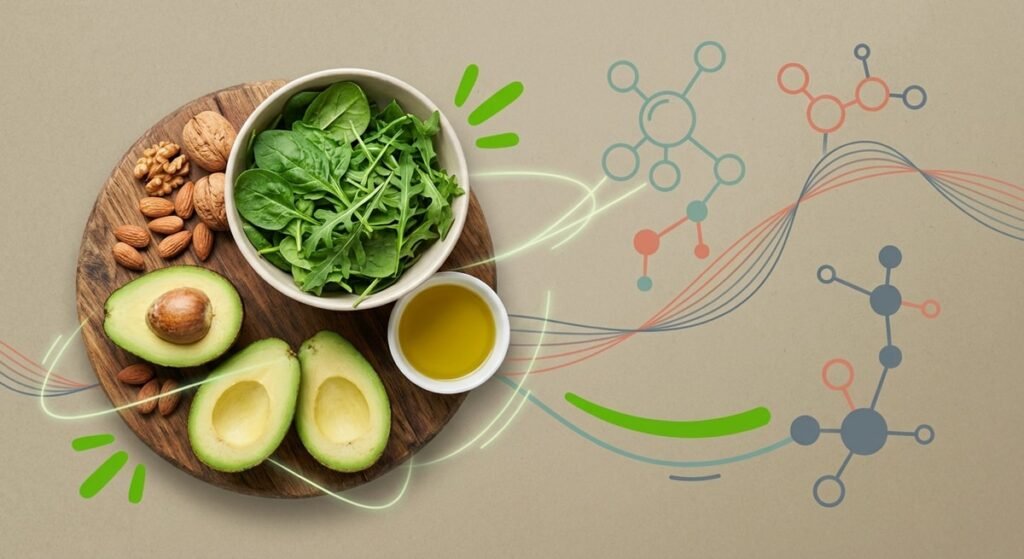
- Prioritize Quality Fats and Proteins: Support hormone synthesis with healthy fats (avocado, nuts, fish) and adequate protein.
- Manage Stress Effectively: Practice mindfulness, meditation, or yoga to keep cortisol levels in check.
- Practice Gradual Transition: Ease into keto to reduce hormonal stress responses.
- Maintain Hydration and Electrolytes: Prevent adrenal fatigue and support metabolic processes.
- Regular Medical Monitoring: Include blood tests for thyroid, glucose, and hormones to tailor your keto approach.
- Include Refeed Days if Needed: Strategically incorporate carbs to support thyroid and hormonal health.
Conclusion
Keto diets can positively influence hormonal health, particularly by improving insulin sensitivity, stabilizing blood sugar, and supporting metabolic efficiency. However, they require careful management to prevent potential disruptions in thyroid function and cortisol regulation. By understanding the keto hormones effects and implementing targeted strategies, you can optimize your keto lifestyle for better energy, mood, and overall wellness.
Always consult with a healthcare professional before making significant dietary changes, especially if you have existing hormonal or metabolic conditions. Tailoring your keto approach to your unique hormonal needs will help you achieve sustainable health benefits.
FAQ Section
Q: Can keto help improve insulin sensitivity?
A: Yes, keto reduces carbohydrate intake, which can lower insulin levels and improve sensitivity, potentially aiding in diabetes prevention and management [[https://pubmed.ncbi.nlm.nih.gov/30006205/]].
Q: Does keto negatively affect thyroid function?
A: Keto may influence thyroid hormones like T3 and T4, especially if calorie intake is too low. Monitoring and proper nutrient intake are recommended to support thyroid health [[LINK:thyroid-function]].
Q: How does keto impact cortisol and stress levels?
A: Initial adaptation may cause a temporary increase in cortisol, but long-term keto can stabilize stress hormones when combined with proper stress management techniques [[LINK:cortisol-and-stress]].
Q: Are there risks of hormonal imbalance on keto?
A: While many experience hormonal benefits, extreme calorie restriction or inadequate nutrient intake can disrupt hormones. Proper planning and medical guidance are essential.
Q: What foods support hormonal health on keto?
A: Foods rich in iodine, selenium, healthy fats, and adequate protein support hormone production and regulation, such as fish, eggs, nuts, and leafy greens.
Final Thoughts
Keto diets can be a powerful tool for enhancing hormonal health when approached thoughtfully. By monitoring key hormones, adopting supportive lifestyle habits, and consulting healthcare professionals, you can harness the full benefits of keto while maintaining hormonal balance. Start today by evaluating your current habits and making informed adjustments for a healthier, more vibrant life.
This article aims to provide general information and should not replace professional medical advice. Always seek personalized guidance from healthcare providers.