Introduction
Traveling doesn’t have to derail your keto journey—smart planning makes all the difference. Whether you’re a seasoned keto practitioner or a dedicated low-carb enthusiast, maintaining ketosis on the go requires strategic decision-making, preparation, and adaptability. The good news is that with advanced techniques tailored for travel, you can enjoy your trips without sacrificing your dietary goals.
This article explores expert-level strategies to stay in ketosis while traveling, including decision-making tools, meal prep tips, and real-world solutions to common challenges. By applying these methods, you’ll be able to confidently navigate different environments, optimize your keto experience, and maintain consistency for better results.
Understanding the Challenges of Traveling on Keto
Travel introduces several obstacles that can threaten your low-carb lifestyle. Recognizing these challenges helps you prepare more effectively.
Common Pitfalls
- Limited availability of keto-friendly foods
- Tempting high-carb options at restaurants or convenience stores
- Unpredictable meal timing disrupting ketosis
- Inconsistent intake of electrolytes leading to keto flu
Environmental Factors
- International cuisines with hidden carbs
- Limited access to fresh produce or quality proteins
- Variations in meal portion sizes and ingredients
Meal Options Abroad
- Different food labeling standards
- Language barriers affecting communication about ingredients
- Cultural norms favoring carb-heavy dishes
Advanced Decision-Making for Keto Travel
Effective decision-making is crucial during travel, especially when options are limited or uncertain. A practical tool is the Travel Keto Decision Tree, which enables quick, informed choices based on your environment.
Travel Keto Decision Tree
Start Here: Do I have access to a grocery store or supermarket nearby?
-
Yes → Can I buy keto-friendly ingredients?
- Yes → Prepare simple meals or snacks in advance
- No → Can I find pre-made keto options?
- Yes → Choose ready-to-eat keto snacks or meals
- No → Proceed to plan portable snacks and supplements
-
No → Is there a restaurant or dining facility nearby?
- Yes → Can I order low-carb options?
- Yes → Customize meals (bunless burgers, salads, grilled meats)
- No → Opt for portable snacks; limit carb intake
- Yes → Can I order low-carb options?
-
No → Are there keto-friendly convenience stores or vending machines?
- Yes → Select shelf-stable keto snacks
- No → Rely on portable, non-perishable keto options like nuts, cheese, beef jerky
This decision tree helps streamline your choices, ensuring you stay in ketosis regardless of environment constraints.
Keto-Friendly Snack Comparison
Choosing the right portable snacks is vital for maintaining ketosis during travel. Here’s a comparison of popular keto-friendly options based on carbs, protein, fat, convenience, and shelf life.
| Feature | Nuts (Mixed) | Cheese Sticks | Beef Jerky | Keto Fat Bombs |
|---|---|---|---|---|
| Carbs | 4-6g per oz | 1-2g per stick | 3-4g per oz | 1-2g per piece |
| Protein | 5-7g per oz | 6-8g per stick | 9g per oz | Varies, generally low |
| Fat | 14-20g per oz | 9-11g per stick | 7-9g per oz | 10-15g per piece |
| Convenience | High (easy to pack) | Very high | High | High |
| Shelf Life | Several months | Several weeks | 6-12 months | Several months |
Best For:
- Nuts: General snacking, portable, high in fat
- Cheese Sticks: Quick, satisfying protein and fat source
- Beef Jerky: Long shelf life, high protein, convenient on the go
- Keto Fat Bombs: Customizable, high-fat energy bites, great for sustained energy
Travel Keto Preparation Checklist
Preparation is key to staying keto-friendly on your trip. Use this comprehensive checklist to ensure you’re ready.
- Research local grocery stores and markets: Identify keto-friendly products and plan your shopping list.
- Pack essential keto snacks: Nuts, cheese sticks, beef jerky, keto fat bombs, etc.
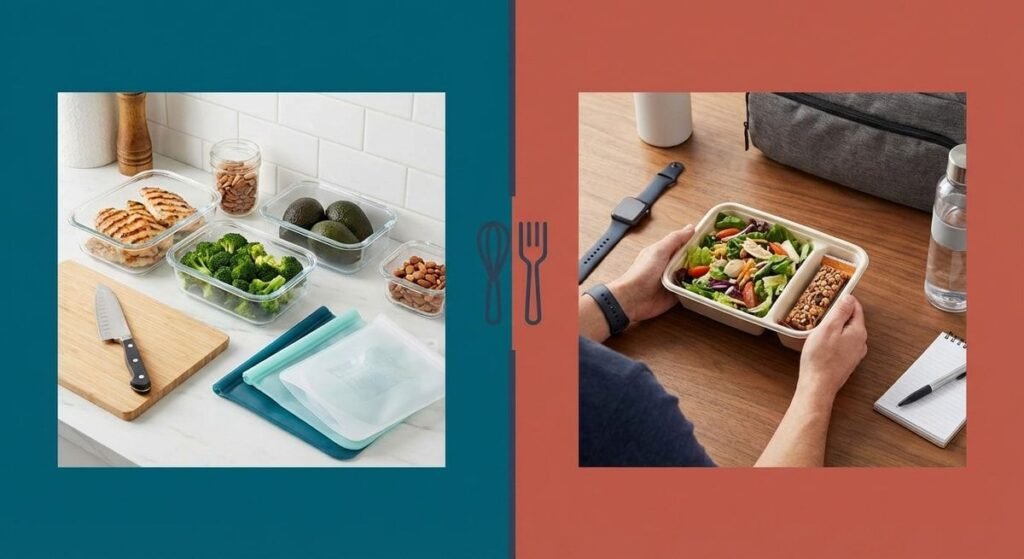
- Pre-make or prep meals: Hard-boiled eggs, portioned nuts, or cooked meats to take with you.
- Download translation apps or cards: For explaining dietary restrictions at restaurants.
- Bring necessary supplements: Electrolyte powders, exogenous ketones, or multivitamins.
- Plan restaurant options: Look for low-carb menus or places where modifications are easy.
- Hydrate adequately: Carry a reusable water bottle and plan for electrolyte intake.
- Monitor your ketone levels: Pack testing kits (urine, blood, or breath) to track ketosis.
Optimizing Your Travel Meal Prep
Maximize your keto success by preparing and strategizing your meals and snacks before and during travel.
Pre-Trip Planning
- Create a meal and snack inventory tailored for your trip duration.
- Identify local keto-friendly stores or restaurants in advance.
- Prepare keto-friendly meals or snacks that can be easily packed, such as fat bombs, jerky, or cheese.
Portable Keto Snacks
- Nuts and seeds (almonds, macadamia nuts)
- Cheese sticks or slices
- Hard-boiled eggs
- Beef jerky (sugar-free)
- Keto fat bombs (coconut oil, nut butter-based)
In-Room Meal Hacks
- Use hotel mini-fridges for storing perishables.
- Prepare simple salads with pre-cooked meats and olive oil.
- Utilize hotel microwave or stove if available for quick cooking.
- Bring portable seasonings to enhance flavor without carbs.
Staying in Ketosis During Travel
Maintaining ketosis involves more than just food choices; it includes hydration, monitoring, and supplementation.
Monitoring Ketosis
- Use breath analyzers or blood ketone meters for accurate readings.
- Regular testing helps you adjust your intake promptly.
Using Supplements
- Electrolyte powders can replenish magnesium, potassium, and sodium.
- Exogenous ketones may provide a boost if your intake drops or you experience hunger.
Hydration Strategies
- Drink plenty of water throughout the day.
- Incorporate electrolyte drinks to prevent imbalances.
- Avoid excessive alcohol and sugary drinks that can interfere with ketosis.
Real-World Travel Scenarios and Solutions
Air Travel
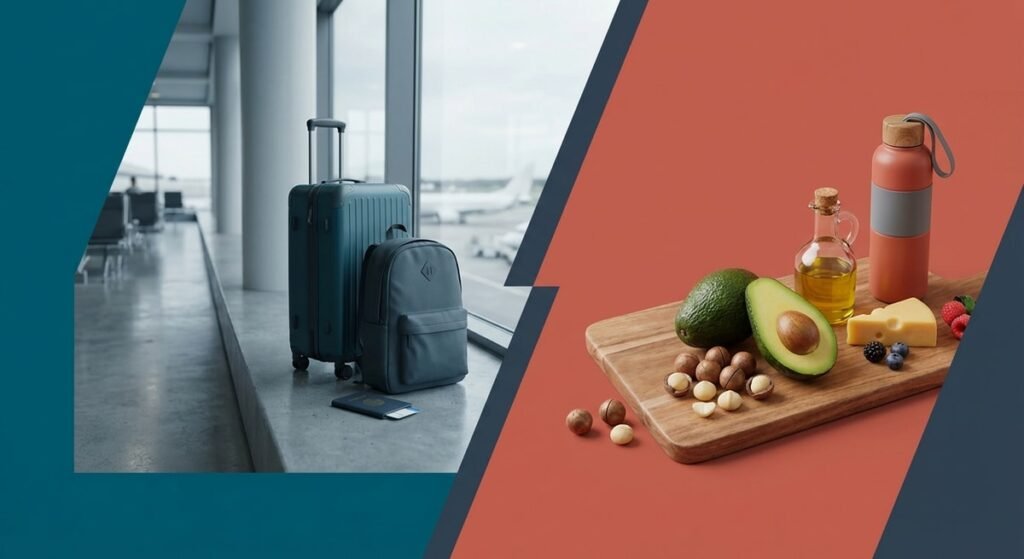
- Pack keto snacks in carry-on luggage.
- Request low-carb meal options in advance.
- Stay hydrated and move around during flights.
Dining Out
- Choose grilled meats, salads, and bunless burgers.
- Ask for substitutions like cauliflower rice or extra vegetables.
- Be assertive about your dietary needs; most restaurants accommodate.
Road Trips
- Stock your vehicle with keto-friendly snacks.
- Stop at grocery stores along the route for fresh supplies.
- Use cooler bags to keep perishables fresh.
Conclusion
Maintaining a keto lifestyle while traveling demands strategic planning, informed decision-making, and flexible execution. By utilizing tools like the Travel Keto Decision Tree, comparing snack options, and preparing in advance, you can stay in ketosis regardless of environment constraints. Implement these advanced techniques on your next trip and enjoy seamless keto travel—share your successes and additional tips to help others succeed!
FAQ Section
Q: How can I tell if I'm still in ketosis while traveling?
A: You can monitor your ketone levels using breath analyzers, blood ketone meters, or urine strips. Regular testing helps you stay on track and make dietary adjustments as needed.
Q: What are the best portable keto snacks for travel?
A: Effective portable snacks include mixed nuts, cheese sticks, hard-boiled eggs, beef jerky (sugar-free), and keto fat bombs. Choose shelf-stable options that are easy to carry.
Q: How do I handle dining out at non-keto-friendly restaurants?
A: Opt for salads with protein, grilled meats, or bunless burgers. Don't hesitate to ask for modifications, such as substituting bread or fries with low-carb sides.
Q: Are supplements useful when traveling on keto?
A: Yes, electrolytes help replenish minerals lost through sweat and urine, and exogenous ketones can provide additional support during periods of carb intake or fatigue.
Q: What strategies help prevent keto flu during travel?
A: Stay well-hydrated, replenish electrolytes regularly, and maintain consistent fat and protein intake. Proper preparation minimizes symptoms of keto flu.
Remember, traveling on keto is a journey of adaptation and planning. With the right tools and mindset, you can enjoy your trips while staying true to your low-carb lifestyle.