Introduction
Struggling to decipher food labels on keto-friendly products? Understanding Keto Food Labels is essential for maintaining a low-carb, high-fat lifestyle without accidentally consuming hidden carbs or unwanted ingredients. Mastering label reading is a crucial step toward staying in ketosis, avoiding pitfalls, and making smarter food choices. Whether you're a beginner or an experienced keto practitioner, knowing how to interpret labels empowers you to navigate grocery aisles confidently.
In this comprehensive guide, you'll learn practical strategies for comparing products, identifying keto-friendly options, and avoiding common label misconceptions. By the end, you'll have the tools to scrutinize labels effectively and support your health and weight loss goals.
Main Sections
1. Understanding Keto Food Labels: The Basics
Key Components to Check
When scrutinizing keto food labels, focus on the following:
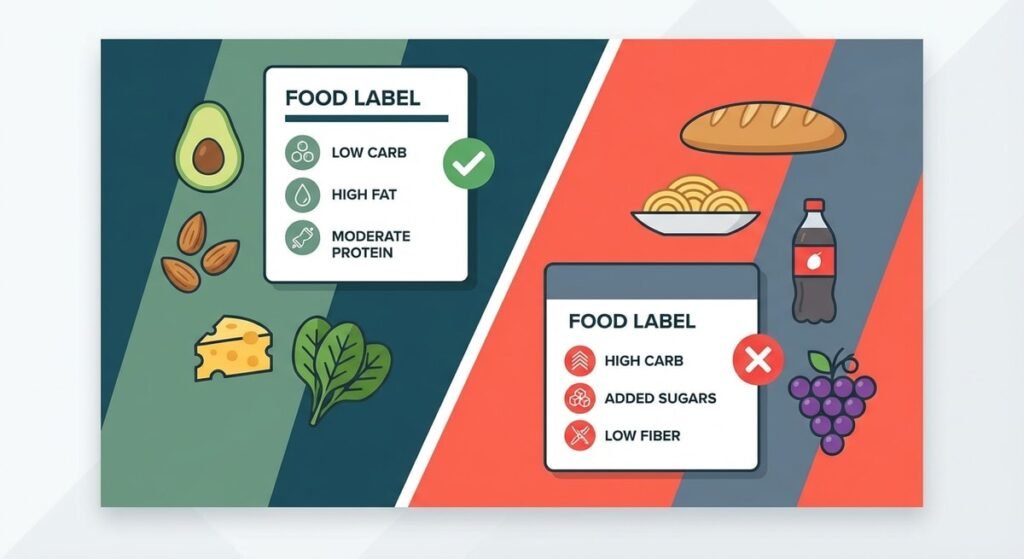
- Total Carbohydrates: Look for net carbs (total carbs minus fiber and sugar alcohols). Keeping net carbs below 20-50 grams daily is typical for keto.
- Total Fats: Prioritize healthy fats like monounsaturated and saturated fats.
- Protein Content: Moderate protein intake is essential; too much can interfere with ketosis.
- Ingredients List: Check for added sugars, fillers, or artificial additives.
What Makes a Food Keto-Friendly?
A keto-friendly product generally has:
- Low net carbs (usually under 5 grams per serving)
- High healthy fat content
- Minimal or no added sugars
- Whole, recognizable ingredients
Common Label Misconceptions
- "Low-fat" labels do not necessarily mean keto-compatible, as they may contain added sugars.
- "Sugar-free" does not guarantee low carbs—some sugar substitutes still add carbs.
- Serving size can be misleading; always check the actual amount.
2. Comparison of Popular Keto Foods and Their Labels
Meat and Seafood
| Feature | Fresh Chicken Breast | Smoked Salmon | Canned Sardines |
|---|---|---|---|
| Calories | 165 per 3 oz | 180 per 3 oz | 170 per 3 oz |
| Total Carbs | 0 g | 0 g | 0 g |
| Total Fats | 3.6 g | 10 g | 11 g |
| Protein | 31 g | 17 g | 20 g |
| Ingredients | Chicken | Salmon, salt | Sardines, water, salt |
| Best For | Lean protein | Omega-3 boost | Convenient snack |
Dairy Products
| Feature | Cheddar Cheese | Full-fat Greek Yogurt | Heavy Cream |
|---|---|---|---|
| Calories | 115 per oz | 100 per ½ cup | 50 per tbsp |
| Total Carbs | 0.4 g | 3 g | 0.4 g |
| Total Fats | 9 g | 5 g | 5 g |
| Protein | 7 g | 9 g | 0 g |
| Ingredients | Milk, salt, bacteria | Milk, live cultures | Cream |
| Best For | Snack, cooking | Breakfast, smoothies | Coffee, sauces |
Snacks and Convenience Foods
| Feature | Almond Flour Crackers | Pork Rinds | Keto Protein Bars |
|---|---|---|---|
| Calories | 140 per ¼ cup | 80 per oz | 200 per bar |
| Total Carbs | 2 g | 0 g | 5-8 g |
| Total Fats | 12 g | 9 g | 14 g |
| Protein | 5 g | 9 g | 10 g |
| Ingredients | Almond flour, salt | Pork, salt | Protein blend, sweetener |
| Best For | Baked snacks | Crunchy snack | On-the-go snack |
3. How to Use a Comparison Matrix for Better Choices
Interpreting the Data
- Prioritize products with lower net carbs—ideally under 5 grams per serving.
- Look for higher healthy fats to meet keto macros.
- Check the ingredient list for whole, natural ingredients, avoiding additives and fillers.
- Use the comparison matrix to quickly identify which product aligns best with your nutritional goals.
Prioritizing Your Nutritional Goals
- If weight loss is your goal, focus on lower-calorie, high-fat, low-carb options.
- For muscle maintenance, ensure adequate protein intake without exceeding keto limits.
- Adjust your choices based on personal preferences and dietary restrictions.
Avoiding Common Pitfalls
- Don’t rely solely on front-of-label claims; always read the detailed nutrition facts.
- Beware of serving size tricks—multiple small servings can add up carbs.
- Watch for hidden sugars in processed foods, especially in "sugar-free" or "reduced carb" labels.
4. Reading Labels for Hidden Carbs and Additives
Identifying Hidden Sugars
- Check the ingredients for terms like dextrose, maltodextrin, corn syrup, or artificial sweeteners that can add carbs.
- Even "sugar-free" products may contain sugar alcohols or keto-friendly sweeteners that affect blood sugar.
Recognizing Unhealthy Fillers
- Avoid products with fillers like maltodextrin, modified starches, or certain vegetable oils.
- Prefer whole foods with minimal processing.
Understanding Ingredient Quality
- Opt for products with recognizable ingredients.
- Choose organic or minimally processed options when possible.
- Refer to trusted sources such as the Mayo Clinic for guidelines on healthy fats and ingredients.
5. Practical Tips for Consistent Label Reading
Develop a Routine
- Make it a habit to review labels every time you shop.
- Use a checklist to ensure you don’t miss key points.
Use Apps and Resources
- Leverage tools like Carb Manager or MyFitnessPal to scan labels quickly.
- Use barcode scanners and keto-specific apps for instant analysis.
Stay Informed on Label Regulations
- Keep up-to-date with labeling laws to understand what claims are reliable.
- Read nutrition facts and ingredients carefully instead of relying solely on front labels.
How We Chose: Our Methodology
To evaluate and compare keto food options, we considered:
- Net carb content: Focused on foods with less than 5 grams per serving.
- Healthy fat sources: Prioritized foods rich in monounsaturated and saturated fats.
- Protein quality: Ensured adequate but not excessive protein levels.
- Ingredient transparency: Selected products with simple, recognizable ingredients.
- Processing level: Favored minimally processed foods over highly processed snacks.
- Consumer reviews and expert opinions: Factored in real-world feedback and authoritative dietary guidelines.
This methodology ensures our comparisons are relevant, accurate, and aligned with keto macro requirements.
Conclusion
Mastering how to read and compare Keto Food Labels empowers you to make smarter, low-carb choices that support your health and weight loss goals. Regular label scrutiny helps you avoid hidden carbs, additives, and unhealthy ingredients, keeping you in ketosis and on track.
Start applying these label-reading strategies today: review your current pantry, compare your favorite products, and make healthier swaps. Your keto journey becomes easier and more effective when you have the right tools and knowledge.
Should You Try This Food?
Start Here: Does the product contain less than 5 grams of net carbs per serving?
- Yes → Proceed to check the ingredients for whole, keto-friendly components.
- Are there any hidden sugars or artificial additives?
- Yes → Skip this product.
- No → Yes, this product is suitable for keto.
- Are there any hidden sugars or artificial additives?
- No → Consider a different option with lower carbs or cleaner ingredients.
This content is for informational purposes only and does not substitute professional dietary advice.
FAQ Section
Q: What are the most important nutrients to check on keto food labels?
A: Focus on net carbs, total fats, and protein content. Also, review ingredients for hidden sugars and unhealthy additives.
Q: How can I identify hidden carbs in processed foods?
A: Look for ingredients like dextrose, maltodextrin, or corn syrup, which can add carbs without being obvious on the label.
Q: Are all dairy products keto-friendly?
A: Most full-fat dairy like cheese and cream are keto-friendly, but always check for added sugars in flavored or processed dairy products.
Q: Can I rely on front-of-package labels for keto suitability?
A: While helpful, always read the detailed nutrition facts and ingredients to ensure the product fits your keto macros.
Q: What tools or apps can help me read food labels more efficiently?
A: Apps like Carb Manager, MyFitnessPal, or Keto Food Scanner can quickly analyze labels and track macros, making label reading easier.
This content is for informational purposes only and does not substitute professional dietary advice.