Introduction
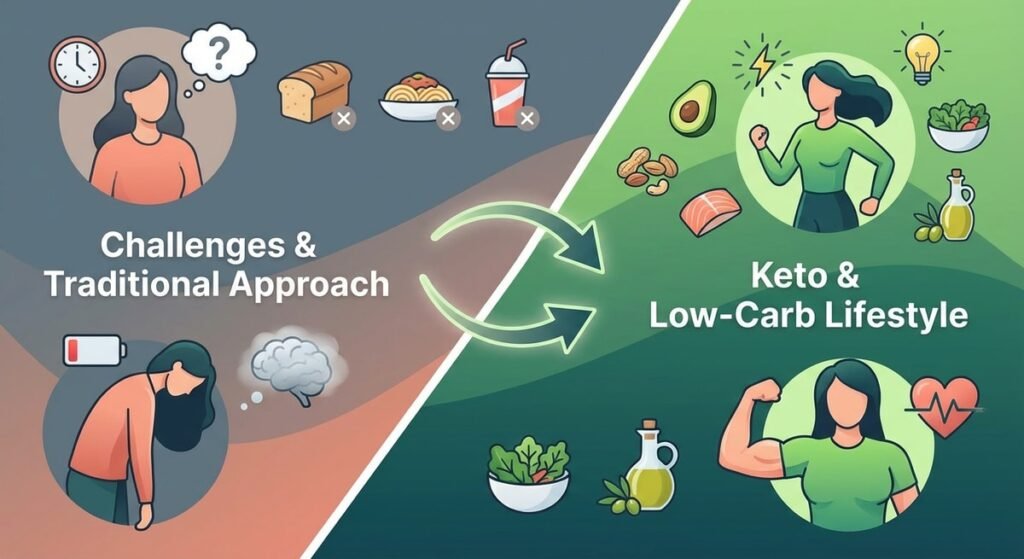
Are you a woman over 40 struggling with weight management, energy dips, or hormonal shifts? Navigating the world of diets can be overwhelming, especially with so many options promising quick fixes. Among these, the ketogenic diet has gained popularity for its fat-burning potential, but is it the right fit for you?
This comprehensive guide compares the cyclical ketogenic diet (CKD) with other low-carb and traditional eating strategies, focusing on what women over 40 need to optimize weight, hormonal health, and vitality. Whether you're a beginner or looking to refine your approach, understanding the differences will help you make an informed decision tailored to your unique needs.
To begin, consider this decision tree to evaluate if keto is suitable for your lifestyle and goals.
Keto or Not for Women Over 40
Start Here: Are you looking to improve weight management, boost energy, and support hormonal balance?
- Option A → Yes, I want to lose weight and increase energy.
- Are you comfortable with tracking macros and meal planning?
- Yes → Proceed to explore keto options, including CKD.
- No → Consider more flexible low-carb or balanced diets like paleo or moderate carb plans.
- Are you comfortable with tracking macros and meal planning?
- Option B → No, I prefer a more flexible or balanced approach.
- Are you willing to limit carbs significantly?
- Yes → Explore low-carb diets like paleo or modified plans.
- No → Consider traditional balanced diets focusing on whole foods without strict restrictions.
- Are you willing to limit carbs significantly?
This decision tree helps clarify if the cyclical ketogenic diet aligns with your commitment level, health goals, and lifestyle preferences.
Understanding the Cyclical Ketogenic Diet (CKD)
What is CKD?
The cyclical ketogenic diet (CKD) is a structured approach that involves periods of strict low-carb, high-fat eating followed by planned refeeding days with higher carbohydrate intake. Typically, women follow 5-6 days of keto and 1-2 days of carb refeeding, designed to replenish glycogen stores, support hormonal health, and reduce keto adaptation fatigue.
How CKD Differs from Standard Keto
While traditional keto maintains a continuous low-carb intake (20-50 grams per day), CKD incorporates cyclical refeeding periods, making it more flexible and potentially more sustainable for women over 40. This cyclical approach can help balance fat loss with hormonal health, muscle preservation, and energy levels.
Benefits for Women Over 40
- Hormonal Balance: Refeeding days support thyroid function and estrogen levels.
- Muscle Preservation: Adequate carbs help maintain muscle mass, crucial post-40.
- Reduced Keto Flu: Cycling minimizes adaptation symptoms and improves long-term adherence.
- Enhanced Performance: Suitable for women engaging in regular physical activity or strength training.
- Metabolic Flexibility: Improves the body's ability to switch between fat and carbohydrate burning.
Comparison of CKD with Other Diet Strategies
How We Chose
Our evaluation considers factors such as macro flexibility, hormonal support, sustainability, ease of implementation, and suitability for women over 40. We analyzed scientific literature, expert opinions, and real-world experiences to present an accurate comparison.
Keto vs. Other Low-Carb Diets
| Feature | Keto (Standard) | CKD (Cyclical Keto) | Paleo |
|---|---|---|---|
| Macro Range | 70-80% fat, 15-20% protein, 5-10% carbs | Similar to keto, with scheduled carb refeeding | 20-35% carbs, more flexible macros |
| Carb Intake | 20-50 grams daily | 50-150 grams during refeeding | Varies, generally moderate carbs from whole foods |
| Flexibility | Less flexible; continuous restriction | More flexible; periodic carb refeeding | Highly flexible; focuses on unprocessed, whole foods |
| Hormonal Support | Can support fat loss but may affect hormones long-term | Supports hormonal balance with refeeding | Supports hormonal health through nutrient-dense foods |
| Best For | Fat loss, metabolic health | Fat loss with hormonal balance, athletic women | Whole-food approach, beginners, sustainability |
Traditional Low-Carb Diets for Women Over 40
| Feature | Standard Low-Carb | Ketogenic (Continuous) | Calorie-Restricted Diets |
|---|---|---|---|
| Focus | Reduce carbs, moderate fats | Very low carbs, high fats | Caloric deficit, varied macros |
| Ease of Adherence | Moderate | Challenging for some | Easier but less targeted for fat loss |
| Long-Term Sustainability | Varies | Depends on individual | Generally sustainable if balanced |
| Hormonal Impact | Generally positive if nutrient-dense | Potential imbalance if not managed | Balanced if nutrient-rich |
Implementing CKD: Practical Steps for Women Over 40
Getting Started with CKD
- Define Your Macro Targets: Aim for 70-80% fats, moderate protein, and carbs during keto days, with increased carbs on refeeding days.
- Plan Your Refeeding Days: Schedule once weekly or every 5-6 days based on activity levels.
- Meal Planning: Focus on nutrient-dense foods—leafy greens, healthy fats, moderate protein, and high-quality carbs during refeeding.
- Track Your Macros: Use apps or journals to ensure adherence and monitor progress.
- Select Refeeding Foods: Incorporate sweet potatoes, fruits, whole grains, and legumes.
- Adjust Based on Response: Monitor energy, mood, weight, and hormonal symptoms; tweak refeeding frequency as needed.
- Incorporate Exercise: Strength training and cardio support fat loss and hormonal health.
- Consult Professionals: Work with a healthcare provider or dietitian for personalized adjustments.
Potential Challenges and How to Overcome Them
Keto Flu and Adaptation
Women over 40 may experience fatigue, headaches, or mood swings initially. To minimize this:
- Increase electrolyte intake.
- Stay hydrated.
- Gradually reduce carbs instead of abrupt cuts.
- Incorporate mineral-rich foods.
Balancing Hormones
Hormonal shifts can affect keto adaptation. Refeeding days help support thyroid and estrogen levels. Additionally:
- Prioritize nutrient-dense, whole foods.
- Manage stress through mindfulness.
- Ensure adequate sleep.
Maintaining Motivation
Set realistic goals, track progress, and celebrate small wins. Joining support groups or engaging with a coach can enhance accountability.
Long-Term Benefits of CKD for Women Over 40
- Enhanced Hormonal Balance: Supports thyroid and reproductive hormones.
- Sustainable Fat Loss: Prevents metabolic slowdown common in prolonged restrictive diets.
- Improved Energy Levels: Cycling carbs helps sustain energy and reduce fatigue.
- Muscle Preservation: Adequate protein and carbs maintain lean mass.
- Better Mood and Cognitive Function: Stable blood sugar and hormonal support.
Conclusion
The cyclical ketogenic diet offers women over 40 a flexible, performance-oriented approach that aligns with hormonal health and sustainable weight management. Its cyclical structure helps mitigate common keto side effects while enhancing energy, vitality, and metabolic flexibility.
Evaluate your lifestyle and goals—consider whether CKD fits your needs, and consult with a healthcare professional to personalize your plan. Embark on your journey to better health today with an informed, balanced approach.
This article is for informational purposes only and does not constitute medical advice. Consult with a healthcare professional before starting any new diet plan.
This article is for informational purposes only and does not constitute medical advice. Consult with a healthcare professional before starting any new diet plan.
FAQ Section
Q: Is the cyclical ketogenic diet suitable for women over 40?
A: Yes, CKD can be particularly beneficial for women over 40 as it supports hormonal balance, preserves muscle, and can improve metabolic flexibility. However, individual health conditions should be considered, and consulting a healthcare professional is recommended.
Q: How often should I schedule refeeding days on CKD?
A: Typically, refeeding days are scheduled once a week, but this can vary depending on activity levels and goals. Some women benefit from every 5-6 days, so tracking your response and adjusting accordingly is advisable.
Q: What foods are best during refeeding days?
A: Refeeding days should include nutrient-rich, higher-carb foods like sweet potatoes, fruits, whole grains, and legumes, combined with moderate protein and healthy fats to replenish glycogen stores and support hormonal health.
Q: Are there any risks associated with CKD for women over 40?
A: Potential risks include nutrient deficiencies or hormonal imbalances if not properly managed. It’s important to plan balanced meals, monitor your health, and consult with professionals to minimize risks.
Q: Can I do CKD if I have existing health conditions like thyroid issues or diabetes?
A: Individuals with health conditions should consult their healthcare provider before starting CKD. Adjustments may be necessary to accommodate specific health needs and ensure safety.