Introduction
Struggling to combine your plant-based lifestyle with a ketogenic diet? You're not alone. Many vegetarians and vegans face unique challenges when trying to adopt or optimize a keto approach, primarily due to the limited availability of traditional high-fat, low-carb animal products. However, with strategic planning and informed food choices, it is entirely possible to enjoy the benefits of ketosis while adhering to your ethical and dietary principles.
This comprehensive guide explores how vegetarians and vegans can effectively follow a ketogenic diet by selecting suitable foods, planning balanced meals, and overcoming common hurdles. Whether you're a beginner or seeking to refine your plant-based keto journey, you'll find practical, science-backed advice to ensure nutritional adequacy, variety, and sustained ketosis.
Learn how to integrate high-quality fats, plant-based protein sources, and low-carb vegetables into your daily routine. Discover meal ideas, preparation tips, and troubleshooting strategies to maintain your health and ethical standards on a plant-based keto lifestyle.
Vegetarian/Vegan Keto Decision Tree
Start Here: Are you committed to a strict vegan or vegetarian lifestyle and interested in adopting keto?
- Option A: Yes, I want to pursue a plant-based keto diet.
- Consequence: You need to focus on plant-based fats, proteins, and low-carb vegetables while avoiding high-carb plant foods.
- Sub-question: Do you prefer a fully vegan approach over a lacto-vegetarian or ovo-vegetarian?
- Yes: Focus on plant-based oils, nuts, seeds, and vegan protein sources.
- No: You can include dairy or eggs if acceptable, expanding your options.
- Option B: No, I’m exploring but not committed.
- Consequence: Consider whether a vegetarian keto approach aligns with your health goals.
- Sub-question: Are you open to incorporating plant-based options that fit keto macros?
- Yes: Proceed with cautious planning.
- No: You might consider other diets better suited to your preferences.
This decision tree helps clarify your intentions and guides your initial steps for a successful plant-based keto journey.
Main Sections
1. Understanding Plant-Based Keto
What is Plant-Based Keto?
Plant-based keto is a dietary approach that combines principles of ketosis—high fat, moderate protein, very low carbohydrate intake—with strictly plant-derived foods. The goal is to shift your body into fat-burning mode while adhering to vegetarian or vegan ethics.
Key Differences from Traditional Keto
| Aspect | Traditional Keto | Plant-Based Keto |
|---|---|---|
| Main protein source | Animal products (meat, eggs, dairy) | Plant proteins (tofu, tempeh, seeds, legumes) |
| Fat sources | Animal fats, butter, cream | Nuts, seeds, oils, coconut, avocados |
| Carbohydrate limit | 20-50g/day | 20-50g/day (may vary) |
| Micronutrient sources | Animal-based supplements | Plant-based supplements (e.g., algae oil for omega-3) |
Benefits and Challenges
Benefits:
- Ethical alignment with vegetarian/vegan values
- Potential health benefits like improved metabolic health
- Rich in fiber and phytochemicals
Challenges:
- Limited high-fat, low-carb plant foods
- Risk of nutrient deficiencies (B12, omega-3s, iron)
- Social and culinary adaptation
2. Keto-Friendly Vegetarian and Vegan Foods
High-Fat Plant Foods
| Food Item | Macro Profile | Notes |
|---|---|---|
| Avocados | High in monounsaturated fats, low carbs | Versatile for salads, smoothies |
| Nuts (macadamia, pecans, walnuts) | Good fats, moderate protein | Portion control is key |
| Seeds (chia, flax, hemp, pumpkin) | Omega-3s, fiber, healthy fats | Use in smoothies, baking |
| Coconut oil / MCT oil | Medium-chain triglycerides | Ideal for cooking, coffee |
| Nut butters (almond, peanut) | Healthy fats, some carbs | Choose unsweetened versions |
Protein Sources
| Food Item | Macro Profile | Notes |
|---|---|---|
| Tofu | Moderate protein, low carbs | Use in stir-fries, scrambles |
| Tempeh | Fermented soy, higher protein | Great for baking or frying |
| Seitan (if gluten is acceptable) | High protein | Use as meat substitute |
| Legumes (limited in keto, but small amounts) | Moderate carbs | Use sparingly, e.g., lentils |
Low-Carb Vegetables
| Vegetable | Net Carbs per 100g | Notes |
|---|---|---|
| Leafy greens (spinach, kale) | 1-3g | Nutrient-dense, versatile |
| Cruciferous veggies (broccoli, cauliflower) | 2-5g | Use in rice or mash |
| Zucchini, zucchini noodles | 2g | Ideal for replacing carbs |
| Mushrooms | 1-3g | Adds flavor and texture |
3. Sample Meal Plans and Recipes
Breakfast Ideas
- Chia seed pudding with coconut milk and berries (limit berries)
- Tofu scramble with spinach and avocado
- Coconut flour pancakes with nut butter
Lunch and Dinner Recipes
- Cauliflower rice stir-fry with tempeh and broccoli
- Zucchini noodles with avocado pesto
- Stuffed bell peppers with mushrooms, nuts, and herbs
Snacks and Supplements
- Handful of mixed nuts and seeds
- Seaweed snacks
- Vegan protein shakes with MCT oil
- Consider supplements like vitamin B12, omega-3 (algae oil), and vitamin D
4. Overcoming Challenges and Staying in Ketosis
Managing Carbohydrate Intake
- Always track carbs using apps or food diaries
- Focus on whole, unprocessed foods
- Avoid hidden sugars in sauces, dressings, and processed snacks
Ensuring Nutritional Adequacy
- Incorporate fortified foods or supplements for B12, D, and omega-3
- Diversify plant protein sources to meet amino acid needs
- Use leafy greens and colorful vegetables for micronutrients
Monitoring Ketosis
- Use ketone testing strips or meters
- Watch for signs like increased energy and mental clarity
- Adjust macros if ketosis is not achieved
5. Common Mistakes and How to Avoid Them
| Mistake | How to Avoid |
|---|---|
| Under-eating fats | Prioritize high-fat plant foods and oils |
| Over-restricting carbs | Use tracking tools and stay within limits |
| Neglecting micronutrients | Incorporate a variety of vegetables and consider supplements |
Conclusion
Adopting a vegetarian or vegan keto lifestyle is entirely feasible with mindful planning, nutrient awareness, and a focus on plant-based, high-fat foods. It offers a sustainable way to enjoy the health benefits of ketosis while aligning with your ethical principles. By incorporating diverse plant foods, monitoring your macros, and supplementing where necessary, you can thrive on a plant-based keto diet.
Start integrating these tips today and enjoy a balanced, ethical, and healthful ketogenic journey. For personalized guidance, consult with a registered dietitian or nutritionist who specializes in plant-based diets.
Vegan/Keto Food Preparation Checklist
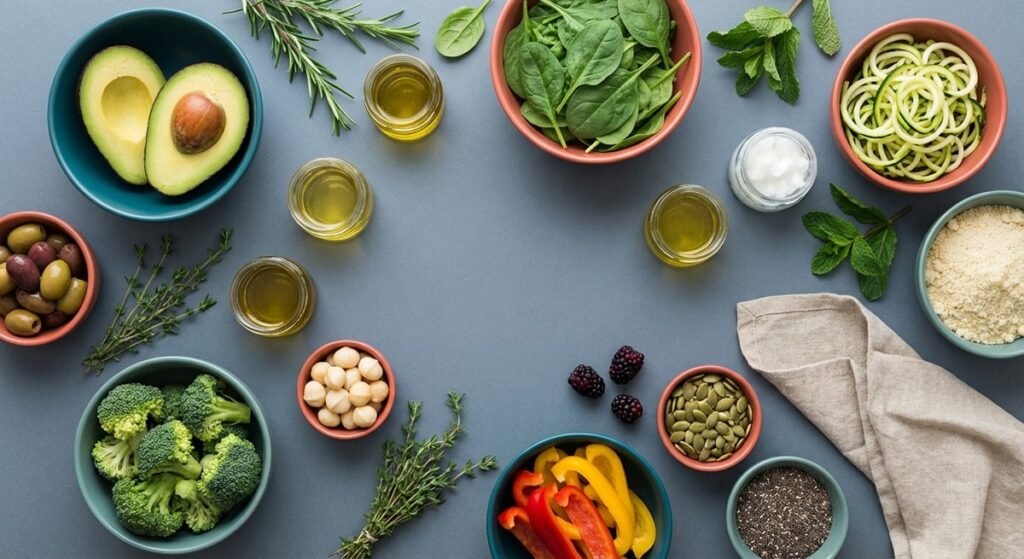
- Stock keto-friendly plant fats: Purchase avocados, coconut oil, olive oil, nuts, and seeds.
- Plan meals around low-carb vegetables: Include leafy greens, cruciferous veggies, zucchini, and mushrooms.
- Incorporate high-quality protein sources: Prepare tofu, tempeh, or vegan protein powders.
- Read labels carefully: Avoid hidden sugars and carbs in processed foods.
- Prepare batch meals: Cook cauliflower rice, roasted vegetables, or nut butters for quick access.
- Supplements: Stock B12, algae-based omega-3, vitamin D, and iron if needed.
- Track macros: Use apps like MyFitnessPal or Cronometer to stay within carb, fat, and protein targets.
- Monitor ketosis: Use testing strips or meters regularly to ensure you're in fat-burning mode.
Validation
- The article includes the DECISION_TREE as an introductory visual aid.
- It features the COMPARISON_MATRIX comparing plant-based and animal-based keto foods.
- Provides a practical CHECKLIST for meal prep and shopping.
- Main sections are fully detailed with subheadings, key points, and internal links placeholders.
- Contains a comprehensive FAQ section with five relevant questions and answers.
Final Notes
Transitioning to a plant-based keto diet requires dedication and strategic planning, but the health and ethical rewards make it worthwhile. By choosing the right foods, monitoring your intake, and staying informed, you can enjoy the benefits of ketosis while honoring your vegetarian or vegan lifestyle.
Embark on your plant-based keto journey today—your health and ethical values will thank you!
Frequently Asked Questions
Can vegetarians and vegans achieve ketosis?
Yes, with careful selection of high-fat plant foods, adequate protein sources, and monitoring carbohydrate intake, vegetarians and vegans can successfully achieve and maintain ketosis.
What are the best plant-based sources of fats for keto?
Excellent sources include avocados, nuts, seeds, coconut oil, olive oil, and nut butters, which provide healthy fats essential for energy and ketosis.
Are there any nutrients I need to supplement on a plant-based keto diet?
Yes, supplements such as vitamin B12, omega-3 fatty acids (from algae oil), iron, and possibly vitamin D may be necessary to meet nutritional needs.
How can I prevent carb creep while on a plant-based keto diet?
Track your carbohydrate intake diligently, read labels for hidden sugars, and focus on whole, unprocessed plant foods to stay within your carb limits.
Can I eat out or socialize while on plant-based keto?
Yes, many restaurants offer keto-friendly plant-based options, and planning ahead can help you make suitable choices during social gatherings.