Keto Food List
Introduction
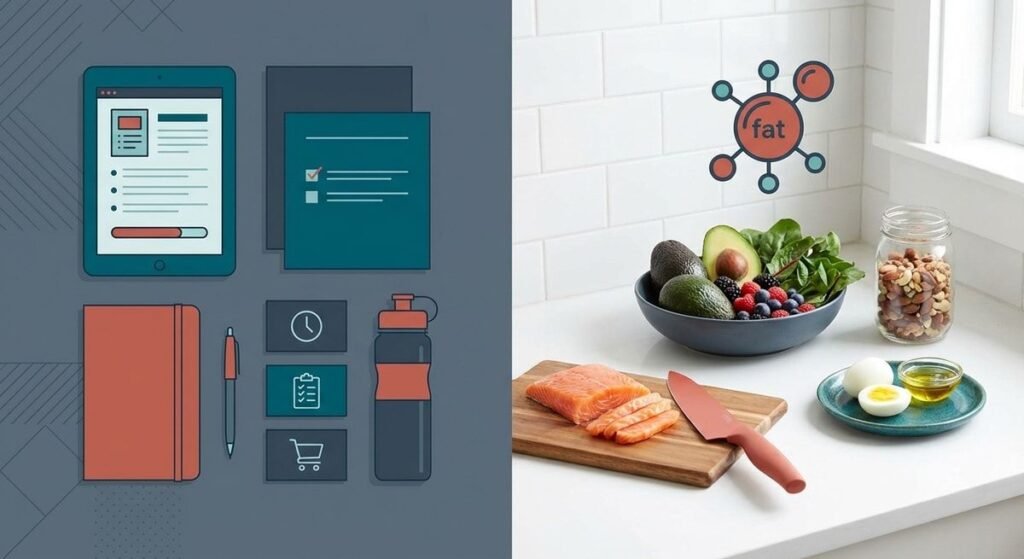
Thinking about starting a keto diet? Discover the essential foods that can make your journey easier and more successful. Whether you're aiming for weight loss, improved mental clarity, or better metabolic health, understanding which foods fit into a ketogenic lifestyle is crucial.
This comprehensive guide provides a detailed keto food list, meal planning tips, and practical advice tailored for beginners and intermediate enthusiasts. By knowing what to eat—and what to avoid—you'll be able to plan meals confidently, stay within your carbohydrate limits, and achieve your health goals faster.
Value Proposition:
With a clear understanding of keto-compatible foods, you'll build a solid foundation for your low-carb journey, making it easier to stay motivated, enjoy delicious meals, and maintain nutritional balance.
Understanding Keto-Friendly Foods
What Makes a Food Keto-Compatible?
A keto-friendly food is one that is low in net carbohydrates, moderate in protein, and high in healthy fats. The goal is to shift your body into a state of ketosis, where it primarily burns fat for fuel instead of carbs.
Macronutrient Breakdown
- Carbohydrates: Typically limited to 20-50 grams of net carbs per day.
- Proteins: Consumed in moderate amounts to support muscle maintenance.
- Fats: The primary energy source, emphasizing healthy fats.
Common Keto Ingredients
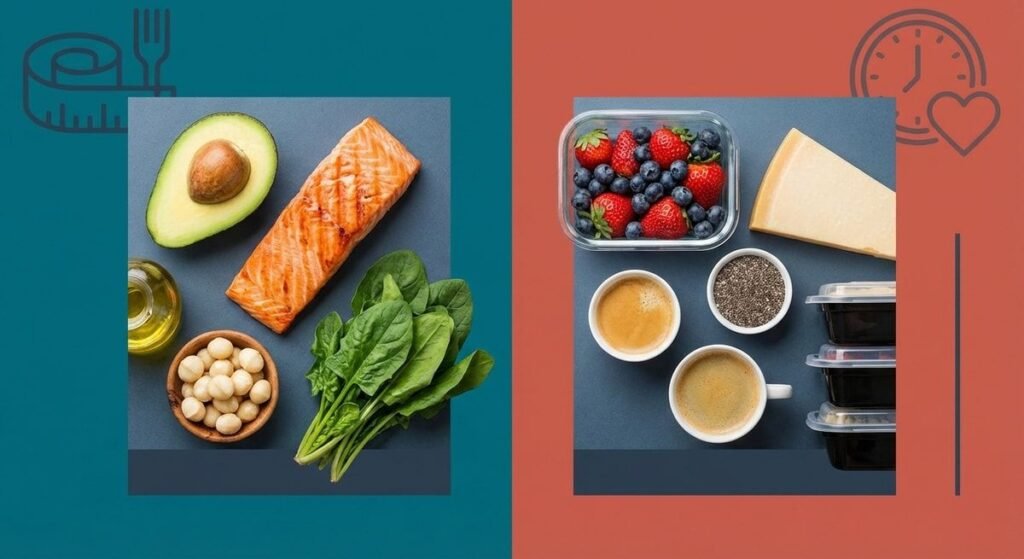
- Whole, unprocessed meats
- Fatty fish
- Low-carb vegetables
- Nuts and seeds
- Healthy oils like olive oil and coconut oil
- Full-fat dairy
Keto Food List in Detail
Keto Food List Table
| Category | Examples | Net Carbs (per serving) | Protein (per serving) | Fats (per serving) |
|---|---|---|---|---|
| Meat & Seafood | Beef, pork, chicken, salmon, shrimp | 0-1g (meat) | Varies (20-25g/100g) | Varies |
| Low-Carb Vegetables | Spinach, kale, cauliflower, zucchini, peppers | 1-4g | 1-3g | Minimal |
| Dairy & Eggs | Eggs, cheese, Greek yogurt (full-fat) | 1-4g (yogurt) | 6-10g (eggs, cheese) | 5-10g |
| Nuts & Seeds | Almonds, walnuts, chia seeds, flaxseeds | 2-4g | 4-6g | 9-20g |
| Healthy Oils & Fats | Olive oil, coconut oil, avocado oil | 0g | 0g | 14-15g per tbsp |
Notes:
- Always check nutrition labels for specific carb counts.
- Focus on whole, minimally processed foods for best results.
Keto Foods to Avoid
High-Carb Fruits
- Bananas, grapes, mangoes, apples (except berries in moderation)
Grains and Legumes
- Rice, wheat, oats, beans, lentils
Sugary Snacks
- Candy, baked goods, sugary cereals
Starchy Vegetables
- Potatoes, sweet potatoes, corn
Processed Foods
- Packaged snacks, fast food, processed meats with fillers
Meal Planning Tips
Creating a Weekly Meal Plan
- Focus on high-fat, moderate-protein, low-carb recipes.
- Incorporate a variety of meats, vegetables, and healthy fats.
- Use meal prep to save time and avoid temptation.
Grocery Shopping Tips
- Stick to the perimeter of the store—produce, meat, dairy.
- Read labels carefully to check carb content.
- Stock up on essentials like oils, nuts, and frozen vegetables.
Meal Prep Strategies
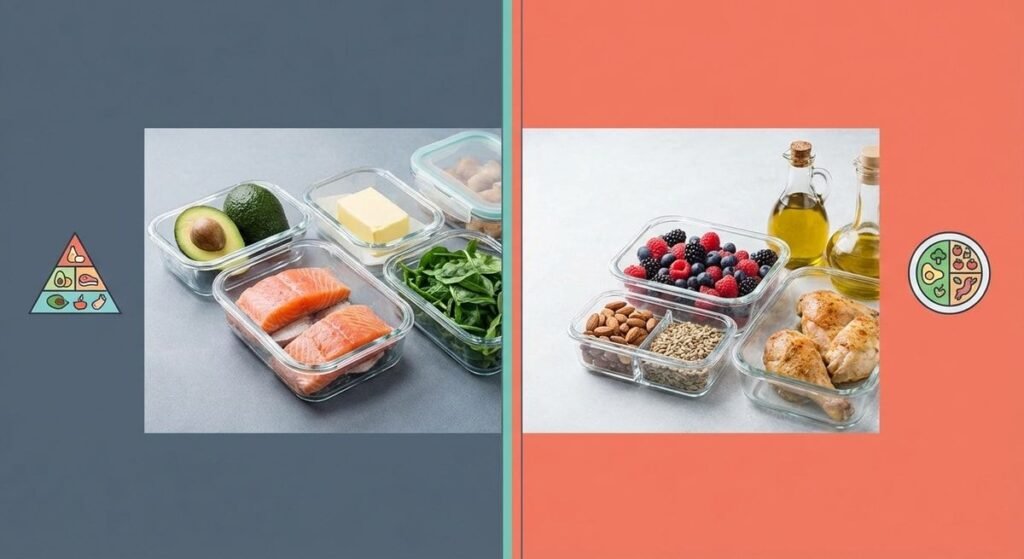
- Cook large batches of keto-friendly dishes.
- Portion meals into containers for grab-and-go convenience.
- Keep snacks like nuts, cheese, or boiled eggs handy.
Additional Tips for Success
Tracking Macros
- Use apps like MyFitnessPal or Carb Manager to monitor carb, protein, and fat intake.
- Adjust portion sizes based on your progress and goals.
Staying Hydrated
- Drink plenty of water throughout the day.
- Consider adding electrolytes to prevent imbalances and keto flu symptoms.
Handling Keto Flu
- Expect initial symptoms like fatigue, headache, or irritability.
- Combat keto flu by replenishing electrolytes and staying hydrated.
- Be patient—your body will adapt.
## Should You Try Keto? Decision Tree
Start Here: Do you want to lose weight, improve mental clarity, or control blood sugar?
- Yes → Proceed to evaluate your health status and lifestyle.
- No → Consider other dietary approaches better suited for your needs.
Are you comfortable with limiting carbs significantly?
- Yes → Keto could be a good fit.
- No → You might prefer a moderate low-carb diet.
Do you have any medical conditions or dietary restrictions?
- Yes → Consult a healthcare professional before starting keto.
- No → You are likely a suitable candidate.
## Keto Shopping and Meal Prep Checklist
- Stock keto staples: meats, seafood, eggs, full-fat dairy, nuts, seeds, and low-carb vegetables.
- Plan your meals: create a weekly menu including breakfast, lunch, dinner, and snacks.
- Prepare ingredients: chop vegetables, cook meats in advance, portion out snacks.
- Avoid non-keto foods: remove high-carb snacks, sweets, and processed foods from your pantry.
- Check labels: verify carb counts on packaged foods and condiments.
- Grocery shop: stick to your list, focusing on whole, unprocessed foods.
- Meal prep: batch cook keto meals to save time and ensure compliance.
- Track your macros: use a tracking app to stay within your daily carb, protein, and fat targets.
## Conclusion
Knowing which foods are keto-friendly is a vital step toward maintaining your low-carb goals and ensuring nutritional balance. With a clear list of approved ingredients, practical meal planning, and mindful shopping, you can make your keto journey enjoyable and sustainable.
Start today by incorporating these foods into your meals. Explore more keto recipes and tips to stay motivated on your path to better health and wellness.
## FAQ Section
Q: What are the best keto-friendly vegetables?
A: Low-carb vegetables such as leafy greens (spinach, kale), cruciferous vegetables (cauliflower, broccoli), zucchini, peppers, and cucumbers are excellent choices. They provide essential nutrients without excess carbs.
Q: Can I eat fruits on keto?
A: Most fruits are high in sugar and carbs, but small portions of berries like strawberries, blackberries, and raspberries can be enjoyed in moderation on keto.
Q: How do I know if a food is keto-approved?
A: Check the net carbohydrate content—foods with less than 5 grams of net carbs per serving are generally suitable. Use nutritional labels and keto food lists as guidelines.
Q: Are nuts and seeds keto-friendly?
A: Yes, most nuts and seeds like almonds, walnuts, chia seeds, and flaxseeds are keto-compatible, but portion control is important due to their calorie density.
Q: What should I avoid eating on keto?
A: Avoid high-carb foods such as bread, pasta, rice, sugary snacks, starchy vegetables, and processed foods with added sugars or flour.
Note: Always consult with a healthcare professional before making significant dietary changes, especially if you have underlying health conditions or are on medication.
Embark on your keto journey prepared and confident—your health and wellbeing are worth it!