Introduction
Considering keto during pregnancy or breastfeeding? You're not alone, but is it safe? Many women explore low-carb lifestyles for various health benefits, but during these critical stages, safety and proper nutrition are paramount.
This comprehensive guide compares the safety, nutritional considerations, and practical tips for maintaining a keto lifestyle during pregnancy and breastfeeding. By understanding the key differences and guidelines, you can make informed decisions that support your health and your baby's development.
Whether you're already following keto or contemplating it, this article aims to provide evidence-based insights and actionable advice, emphasizing the importance of medical supervision and personalized care.
How We Chose: Our Methodology
In developing this comparison, we evaluated multiple factors critical for pregnant and breastfeeding women considering keto:
- Nutritional needs: Essential macro and micronutrients during pregnancy and lactation.
- Safety considerations: Risks of ketosis, nutrient deficiencies, and potential complications.
- Practicality: Ease of meal planning and maintaining a balanced diet.
- Expert guidance: Recommendations from healthcare professionals and current research.
- Evidence base: Scientific studies and clinical guidelines relevant to keto in these stages.
This holistic approach ensures that our comparison provides realistic, safe, and actionable insights tailored to your unique nutritional demands.
Understanding Keto During Pregnancy and Breastfeeding
What is the keto diet?
The ketogenic (keto) diet is a low-carbohydrate, high-fat eating plan designed to induce a metabolic state called ketosis, where the body burns fat for fuel instead of glucose. It involves reducing carbohydrate intake typically to below 20-50 grams per day, emphasizing fats and moderate protein.
Nutritional needs during pregnancy and breastfeeding
Pregnancy and breastfeeding are periods of increased nutritional demand:
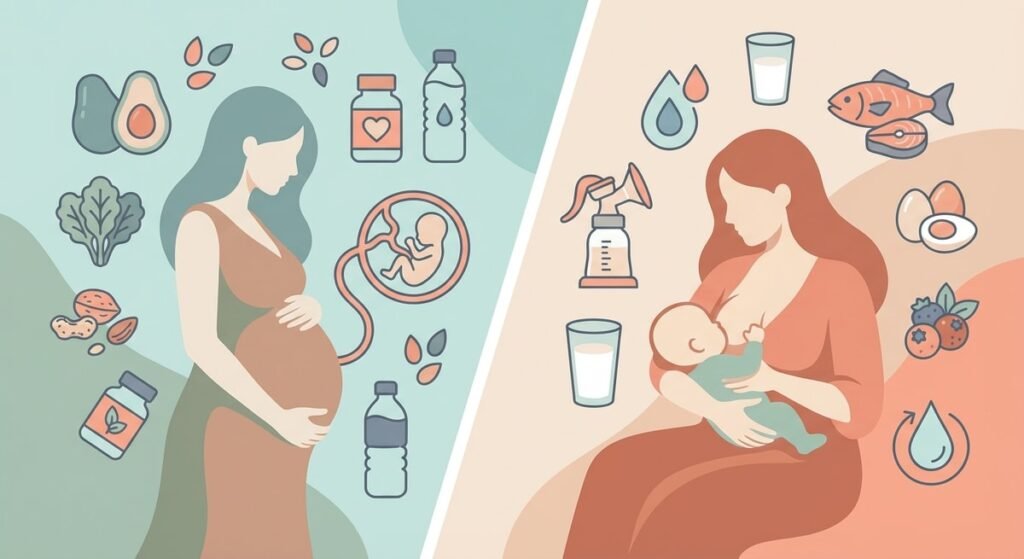
- Pregnancy: Needs include folate, iron, calcium, omega-3 fatty acids, and adequate calories to support fetal development.
- Breastfeeding: Nutrients like calories, hydration, and specific micronutrients are vital for milk production and quality.
Potential risks and benefits
- Potential benefits: Some report improved energy levels, stable blood sugar, and weight management.
- Risks: Possible nutrient deficiencies, ketosis-related issues, and lack of extensive research on long-term safety during pregnancy and lactation.
Note: Current scientific evidence is limited, and many health authorities advise caution before adopting a keto diet during these stages.
Nutritional Considerations and Safety Guidelines
Key nutrients to monitor
| Nutrient | Importance | Sources on keto | Special considerations during pregnancy/breastfeeding |
|---|---|---|---|
| Folate | Neural tube development | Leafy greens, avocados | Ensure adequate intake; consider supplements if advised |
| Iron | Prevent anemia | Red meats, spinach | Monitor levels; supplement if necessary |
| Calcium | Bone health | Cheese, dairy, leafy greens | Maintain sufficient intake for maternal and fetal bones |
| Omega-3 fatty acids | Brain development | Fatty fish, flaxseeds | Prioritize DHA-rich sources; consider supplements |
| Vitamins B12 & D | Neural development & immunity | Eggs, fish, fortified foods | Supplementation may be needed, especially on restrictive diets |
Adjusting macros safely
- Gradual reduction of carbs: Sudden drastic reductions can cause adverse effects.
- Moderate protein intake: To support tissue growth without excess, which can impair ketosis.
- Healthy fats: Focus on omega-3s, monounsaturated fats, and avoid trans fats.
Signs of nutritional imbalance
- Fatigue, dizziness, nausea
- Reduced milk supply
- Poor fetal growth or developmental concerns
- Unusual weight loss or gain
- Changes in mood or cognitive function
Practical Tips for Following Keto Safely
Meal planning during pregnancy
- Incorporate nutrient-dense foods like leafy greens, eggs, fatty fish, and nuts.
- Use prenatal vitamins to supplement potential gaps.
- Avoid overly restrictive carb limits; aim for balanced macros tailored to your needs.
- Regularly track macro intake and nutrient levels.
Breastfeeding-friendly keto foods
- Continue with nutrient-rich foods such as salmon, avocados, eggs, and vegetables.
- Stay hydrated and replenish electrolytes.
- Monitor your energy and milk supply, adjusting macros if needed.
Consulting healthcare providers
- Schedule regular check-ups to monitor nutrient levels and overall health.
- Discuss your dietary plan with a registered dietitian experienced in pregnancy and lactation.
- Adjust your diet based on medical advice and lab results.
Comparison Matrix: Keto During Pregnancy and Breastfeeding
| Feature | Option 1 | Option 2 | Option 3 |
|---|---|---|---|
| Nutritional Focus | Emphasizes high-fat, moderate-protein, low-carb with supplements | Slightly higher carbohydrate intake for added nutrients | More liberal approach with focus on nutrient density and variety |
| Safety Considerations | Requires close medical supervision due to ketosis risks | Regular monitoring of micronutrients and ketone levels | Emphasis on individualized plans based on medical history |
| Macronutrient Ratios | 70-75% fats, 15-20% protein, 5-10% carbs | 60-70% fats, 15-20% protein, 15-20% carbs | Flexible ratios emphasizing whole, nutrient-dense foods |
| Suitable For | Women with close medical oversight, willing to monitor closely | Women seeking a balanced low-carb approach with medical guidance | Women with specific health conditions or nutritional needs |
| Risks | Nutrient deficiencies, ketosis-related complications | Potential for inadequate calorie intake if not carefully planned | Risk of over-restriction or nutrient gaps without professional guidance |
| Best For | Women committed to strict keto with medical supervision | Women aiming for moderate carbs and nutrient-rich diet | Women with prior keto experience and medical clearance |
Safe Keto Practices for Pregnancy and Breastfeeding
- Step 1: Consult your healthcare provider before starting or continuing keto to assess safety based on your health status.
- Step 2: Work with a registered dietitian to develop a personalized meal plan that meets your nutritional needs.
- Step 3: Regularly monitor blood ketone levels and micronutrient status through blood tests.
- Step 4: Ensure adequate intake of vital nutrients like folate, iron, calcium, and omega-3s through diet and supplements if recommended.
- Step 5: Gradually adjust carbohydrate intake to avoid sudden drops that could impact energy and mood.
- Step 6: Prioritize whole, nutrient-dense foods and avoid processed or artificial low-carb products.
- Step 7: Stay hydrated, replenish electrolytes, and listen to your body's signals.
- Step 8: Keep open communication with your healthcare team and report any symptoms such as fatigue, dizziness, or changes in milk supply.
Should You Continue Keto During Pregnancy or Breastfeeding?
Start Here: Are you pregnant or breastfeeding and currently following a keto diet?
- Yes → Do you have medical supervision and are your nutrient levels regularly monitored?
- Yes → Continue with caution, following personalized advice from your healthcare provider.
- No → It is advisable to pause or modify your diet until you consult a medical professional.
- No → Consider if your current diet supports your health goals safely or seek guidance before making changes.
Conclusion
While keto can be adapted during pregnancy and breastfeeding with careful planning and medical supervision, it is not universally suitable for all women at these stages. Ensuring nutritional adequacy, monitoring health markers, and consulting healthcare providers are essential steps to minimize risks and support both your well-being and your baby's development.
Remember, every pregnancy and breastfeeding journey is unique. Prioritize personalized medical advice over generic dietary protocols to achieve a safe and healthy experience.
Always consult your healthcare team before starting or continuing a keto diet during pregnancy or breastfeeding. Regular monitoring and professional guidance are key to a safe nutritional journey.
This article is for informational purposes only and does not replace professional medical advice. Always consult your healthcare provider before making dietary changes during pregnancy or breastfeeding.
FAQ Section
Q: Is it safe to follow a keto diet during pregnancy?
A: Keto can be safe if properly managed and under medical supervision, but it is essential to ensure adequate intake of vital nutrients and avoid ketosis-related risks.
Q: Can I maintain ketosis while breastfeeding?
A: Yes, some women can maintain ketosis while breastfeeding if they meet their nutritional needs, but it is important to monitor energy levels and baby health closely.
Q: What nutrients should I pay special attention to on keto during pregnancy?
A: Focus on nutrients like folate, iron, calcium, omega-3 fatty acids, and vitamins to support fetal development and maternal health.
Q: How do I know if keto is affecting my pregnancy or breastfeeding?
A: Watch for symptoms such as fatigue, dizziness, nausea, or changes in milk supply, and consult your healthcare provider for personalized advice.
Q: Are there any keto-friendly foods suitable for pregnancy and breastfeeding?
A: Yes, nutrient-dense foods like avocados, fatty fish, eggs, leafy greens, nuts, and seeds are suitable, but portion sizes and nutrient balance are key.
Final Notes
Adopting a keto lifestyle during pregnancy and breastfeeding requires careful consideration, professional guidance, and ongoing monitoring. Prioritize your health and your baby's development by working closely with healthcare professionals, and remember that flexibility and safety are the most important factors in your nutritional journey.