Introduction
Struggling to navigate the complexities of keto meal planning? You’re not alone. Many beginners and even seasoned practitioners find it challenging to develop a structured, personalized approach that aligns with their health goals, lifestyle, and dietary preferences.
This comprehensive guide provides you with decision tools, comparison charts, and actionable steps to master your keto diet effectively. Whether you’re trying to optimize weight loss, improve energy levels, or manage health conditions, understanding how to tailor your keto meal plan is essential.
By leveraging a clear decision rubric, comparison matrices, and practical checklists, you’ll learn how to choose the right strategies, foods, and macros to make your low-carb journey more straightforward and successful. Let’s dive in!
1. Understanding the Basics of Keto Meal Planning
What is keto meal planning?
Keto meal planning involves selecting foods and structuring your daily meals to maintain a state of ketosis—a metabolic process where your body burns fat for fuel instead of carbohydrates. It’s about balancing macronutrients in a way that supports your health goals while ensuring nutritional adequacy.
Key principles to consider
- Macronutrient ratios: Typically 70-75% fat, 20-25% protein, and 5-10% carbs.
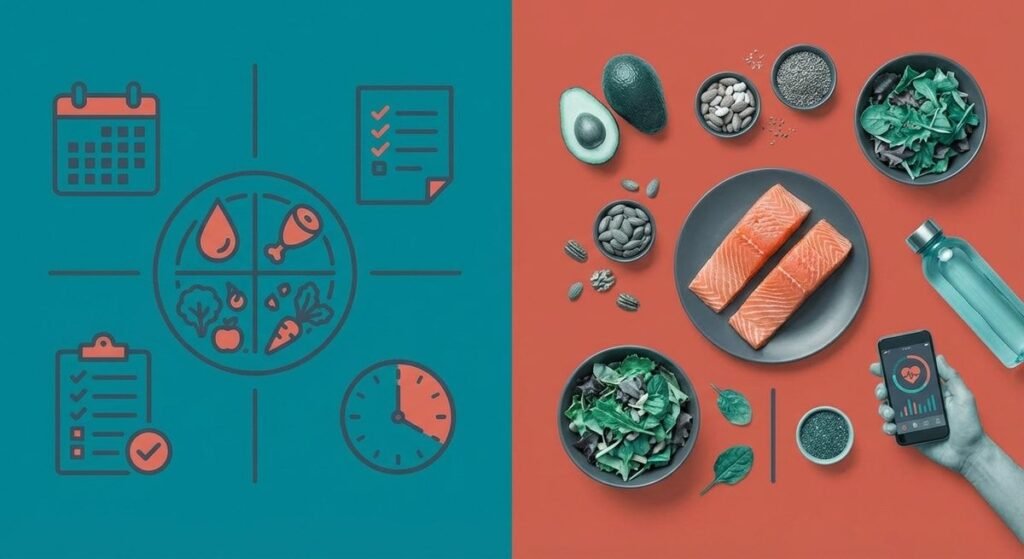
- Food quality: Prioritize whole, unprocessed foods—meat, fish, eggs, low-carb vegetables, nuts, and healthy fats.
- Meal timing: Find what works best—intermittent fasting, three meals a day, or smaller, frequent meals.
- Electrolyte balance: Ensure adequate intake of sodium, magnesium, and potassium to prevent keto flu.
Common misconceptions
- All fats are equal: Focus on healthy fats like avocados, olive oil, and fatty fish.
- Carb-free means no carbs at all: Small amounts of carbs from vegetables are acceptable and beneficial.
- Keto is just about weight loss: It can also improve mental clarity, energy, and metabolic health.
2. Deciding If Keto Is Right For You
Assessing your health goals
Before embarking on keto, clarify your objectives:
- Weight loss or body composition?
- Managing blood sugar or insulin sensitivity?
- Enhancing mental clarity?
- Athletic performance?
Your goals influence your approach, macro ratios, and food choices.
Considering your lifestyle
Evaluate:
- Do you enjoy cooking and meal prep?
- Can you commit to tracking macros?
- Are you comfortable dining out or traveling?
- Do you have any medical conditions? Consult a healthcare professional before starting.
Consulting healthcare providers
Especially important if:
- You have diabetes or are on medication.
- You have kidney issues or other metabolic conditions.
- You’re pregnant or breastfeeding.
A professional can help tailor the plan and monitor progress.
3. Using the Decision Tree to Tailor Your Keto Plan
Keto Meal Planning Decision Tree
Start Here: Do you prefer a structured meal plan or flexible approach?
-
Option A: Structured meal plan → Focus on meal prep and recipes.
- Sub-question: Do you want quick, easy meals?
- Yes → Use simple recipes with minimal ingredients.
- No → Explore diverse recipes and plan weekly.
- Next step: Do you want to track macros daily?
- Yes → Use macro calculators and tracking apps.
- No → Focus on food quality and portion sizes.
- Sub-question: Do you want quick, easy meals?
-
Option B: Flexible approach → Focus on macro awareness and food choices.
- Sub-question: Are you comfortable tracking macros?
- Yes → Use macro calculators to set targets.
- No → Use visual cues and food lists to guide choices.
- Next step: Adjust based on progress and goals.
- Sub-question: Are you comfortable tracking macros?
Interpreting results
Based on your answers, you can:
- Develop a detailed meal plan or
- Maintain flexibility while monitoring macros.
Next, incorporate other decisions such as meal frequency, type of foods, and supplement use.
Next steps based on your choices
- Create a weekly meal schedule.
- Stock keto-friendly foods.
- Use tracking tools for macros.
- Adjust your plan based on progress and feedback.
4. Comparing Keto to Other Low-Carb Diets
Features and restrictions
| Feature | Keto | Paleo | Low-Carb (general) | Atkins | LCHF |
|---|---|---|---|---|---|
| Carbohydrate limit | 5-10% of daily calories | 20-35g net carbs/day | Variable, typically <50g | Starting with 20g, then increasing | 20-50g net carbs/day |
| Focus | High fat, moderate protein, very low carb | Whole foods, no processed foods | Less strict, flexible carbs | Phased approach, strict induction | Emphasizes fats and moderate protein |
| Foods allowed | Meat, fish, eggs, oils, low-carb veggies, nuts | Lean meats, fruits, vegetables, nuts | Vegetables, small amounts of fruit | Similar to keto but with more carbs in later phases | Fatty foods, limited carbs |
| Flexibility | Moderate to low | High | High | Moderate | Moderate |
| Best For | Rapid weight loss, ketosis, metabolic health | Whole-food enthusiasts, food purity | General low-carb adaptation | Structured weight loss | Sustainable low-carb lifestyle |
Methodology/Evaluation Criteria
- Carb limits: How restrictive?
- Food choices: Flexibility and variety.
- Ease of adherence: Practicality in daily life.
- Health benefits: Metabolic, cognitive, weight loss.
- Suitability: For specific lifestyles or health needs.
Suitability for different lifestyles
- Keto: Best for those seeking rapid results or metabolic health.
- Paleo: Suitable for those prioritizing whole, unprocessed foods.
- Low-carb: Flexible for casual low-carb eaters.
- Atkins: Structured with phased goals.
- LCHF: Sustainable for long-term low-carb living.
Pros and cons
| Diet | Pros | Cons |
|---|---|---|
| Keto | Fast fat loss, mental clarity | Restrictive, social challenges |
| Paleo | Whole foods, fewer processed | Less precise macros, potential nutrient gaps |
| Low-Carb | Flexible, easier compliance | Less focus on ketosis |
| Atkins | Clear phases, structured | Complexity, potential for re-carbing |
| LCHF | Sustainable, balanced | May lack strict ketosis benefits |
5. Actionable Steps for Effective Meal Planning
Create a meal prep schedule
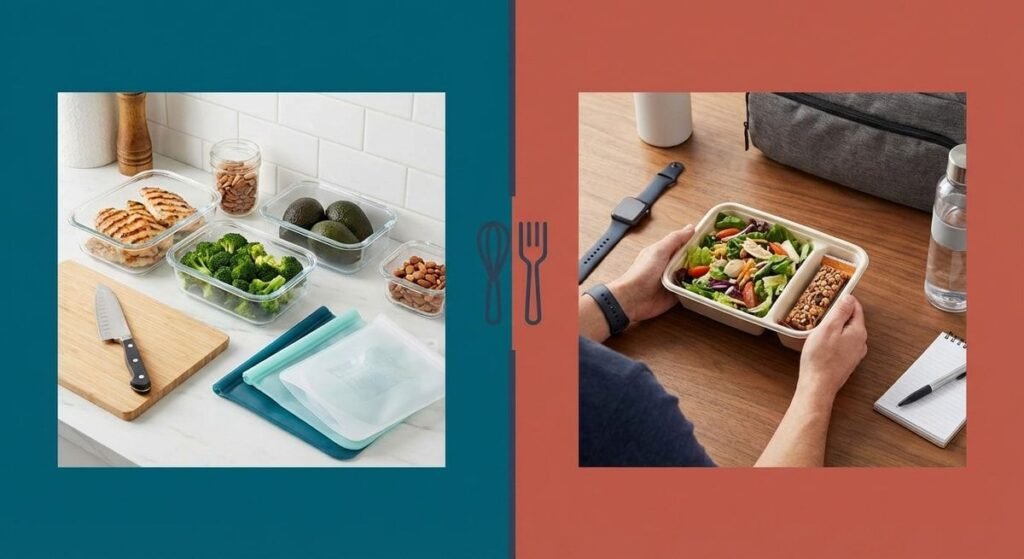
- Dedicate time weekly for shopping, cooking, and portioning.
- Plan meals in advance to avoid last-minute decisions.
- Use batch cooking techniques.
Stock keto-friendly foods
- Keep a pantry of nuts, seeds, healthy oils, canned fish, and low-carb vegetables.
- Have ready-to-eat snacks like cheese, boiled eggs, or nuts.
- Avoid high-carb processed foods.
Track your macros
- Use apps like MyFitnessPal, Carb Manager, or Cronometer.
- Log meals daily to stay within your targets.
- Adjust based on progress and energy levels.
Additional tips
- Incorporate variety to prevent boredom.
- Stay hydrated and balance electrolytes.
- Monitor your body’s response and adjust macros accordingly.
Conclusion
Mastering keto meal planning involves understanding your individual needs, leveraging decision tools like the decision tree, and making informed food choices. By comparing different low-carb approaches, creating actionable meal strategies, and tracking your progress, you can optimize your keto journey for sustainable health benefits.
Start applying these decision strategies today. Download our printable Keto Meal Planning Checklist and Decision Tree to keep these tools at your fingertips, and take confident steps toward achieving your health goals.
FAQ Section
Q: How do I calculate my keto macros?
A: To calculate your keto macros, determine your daily caloric needs based on your goals, then allocate approximately 70-75% of calories to fats, 20-25% to protein, and 5-10% to carbs. Use online macro calculators like {{LINK:macro-calculator}} for accuracy.
Q: Can I eat out while on keto?
A: Yes. Opt for grilled meats, salads without high-carb dressings, and low-carb sides like vegetables or cheese. Planning ahead by checking restaurant menus or calling ahead helps you stay on track.
Q: What are common mistakes in keto meal planning?
A: Underestimating hidden carbs, not tracking macros, relying too heavily on processed keto foods, and neglecting electrolyte intake are common pitfalls. Being mindful of ingredients and tracking helps avoid these.
Q: How long does it take to enter ketosis?
A: Usually 2-4 days of strict carb restriction, though individual variation exists. Factors like activity level and metabolism influence the timing.
Q: Is it necessary to supplement on keto?
A: Supplements such as electrolytes, magnesium, and omega-3s can support your adaptation process and prevent deficiencies, especially during initial phases.
Embark on your keto journey with confidence—use these decision tools and checklists to make informed, sustainable choices. Your health transformation starts today!