Disclosure: This post contains affiliate links. If you make a purchase through these links, we may earn a commission at no additional cost to you. We only recommend products we genuinely believe will help you on your keto journey.
Introduction
Struggling to plan your keto meals? You’re not alone. Many beginners and even intermediate practitioners find meal planning on a low-carb, high-fat (LCHF) diet challenging, especially when trying to balance macros, avoid common pitfalls, and maintain consistency.
This comprehensive guide covers everything you need to know about planning keto meals. From understanding macro ratios to grocery shopping and effective meal prep strategies, you’ll gain practical insights to support your health and weight management goals.
By following this guide, you’ll be equipped to create sustainable, delicious keto meals that align with your lifestyle, making your keto journey enjoyable and successful.
Main Sections
1. Understanding the Basics of Keto Meal Planning
Keto Macro Ratios
A hallmark of the keto diet is maintaining specific macronutrient ratios to induce and sustain ketosis. Typically, this breakdown looks like:
| Macronutrient | Percentage of Daily Calories | Description |
|---|---|---|
| Fats | 70-75% | Primary energy source; focus on healthy fats |
| Proteins | 20-25% | Supports muscle and tissue maintenance |
| Carbohydrates | 5-10% | Keeps you in ketosis; limit to ~20-50g/day |
How to calculate your macros:
- Determine your total daily calorie needs based on your goals (weight loss, maintenance, etc.).
- Multiply your daily calories by the macro percentage:
- Fats: 70-75%
- Proteins: 20-25%
- Carbs: 5-10%
- Convert grams from calories:
- Fat: 1g = 9 calories
- Protein: 1g = 4 calories
- Carbohydrates: 1g = 4 calories
Using an online macro calculator can simplify this process.
Essential Ingredients
Focus on incorporating:
- Healthy fats: avocados, olive oil, coconut oil, nuts, seeds
- High-quality proteins: eggs, poultry, fish, beef, tofu
- Low-carb vegetables: leafy greens, zucchini, cauliflower, broccoli
- Limited fruits: berries in moderation
- Dairy: cheese, heavy cream, Greek yogurt (unsweetened)
Common Pitfalls
- Overestimating allowable carbs
- Not tracking macros accurately
- Relying on processed keto snacks
- Neglecting electrolyte balance
- Expecting rapid results without lifestyle adjustments
2. Creating a Weekly Keto Meal Plan
Meal Variety
Diversify your meals to avoid boredom and ensure nutrient intake. Incorporate different proteins, vegetables, and fats.
Balancing Nutrients
Aim for a mix of macro-rich ingredients in each meal. For example:
- Breakfast: Scrambled eggs with spinach and avocado
- Lunch: Grilled chicken salad with olive oil dressing
- Dinner: Salmon with roasted cauliflower
- Snacks: Nuts, cheese, or boiled eggs
Meal Timing
Some prefer intermittent fasting, while others eat three balanced meals. Adjust based on your hunger cues and lifestyle.
3. Grocery Shopping for Keto Success
Shopping List Essentials
Here’s a Keto Meal Prep Checklist to ensure you have everything needed for a successful week:
Keto Meal Prep Checklist
- Proteins: chicken breasts, eggs, fish, beef, tofu
- Fats: olive oil, coconut oil, butter, nuts, seeds
- Vegetables: leafy greens, zucchini, broccoli, cauliflower, peppers
- Dairy: cheese, heavy cream, Greek yogurt
- Fruits: berries (strawberries, blueberries)
- Condiments & Spices: herbs, salt, pepper, garlic, mustard
- Snacks: nuts, seeds, pork rinds
Reading Labels
Always check for hidden carbs, added sugars, and fillers. Look for:
- No added sugars
- Low net carbs (total carbs minus fiber)
- Minimal artificial ingredients
Buying Tips
- Shop the perimeter of the store for fresh produce and meats
- Purchase in bulk for staples like nuts and oils
- Choose organic and grass-fed when possible
4. Meal Prep and Cooking Strategies
Batch Cooking
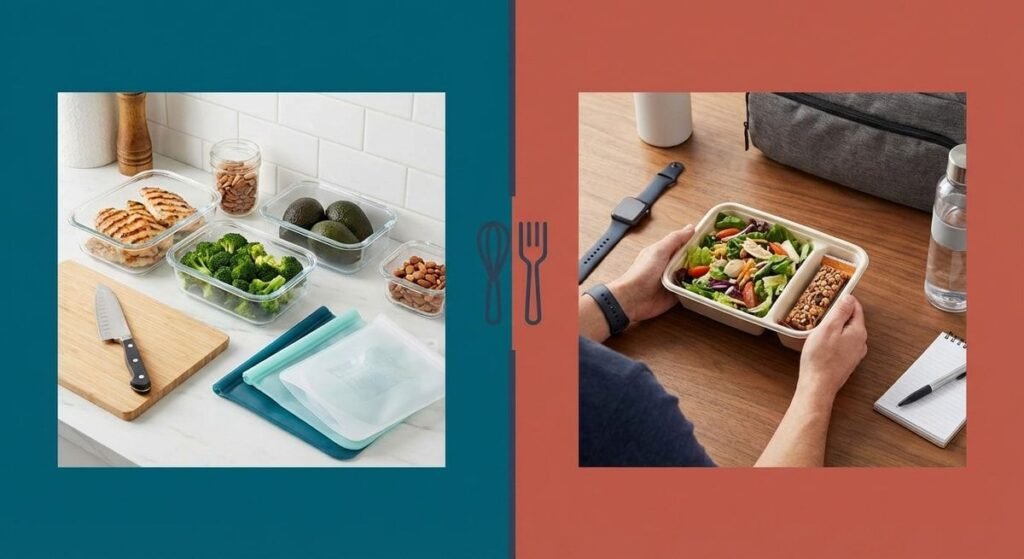
Prepare large portions of proteins and vegetables ahead of time. For example:
- Roast a batch of chicken breasts
- Steam or roast vegetables
- Prepare hard-boiled eggs
Storage Tips
- Use airtight containers for freshness
- Label meals with date and contents
- Freeze portions for longer storage
Time-Saving Techniques
- Use slow cookers or instant pots
- Pre-chop vegetables
- Utilize keto-friendly frozen foods
5. Troubleshooting Common Challenges
Plateaus
- Reassess macro intake
- Track calories meticulously
- Incorporate intermittent fasting if appropriate
Cravings
- Stay hydrated
- Eat more fats to increase satiety
- Keep keto-friendly snacks handy
Social Situations
- Choose menu options wisely
- Communicate your dietary needs
- Prepare or bring keto-friendly dishes
Decision Tree: Keto Meal Planning Made Easy
Here’s an interactive decision tree to help you choose your meal options based on your preferences, restrictions, and goals:
Start
│
├─ Do you prefer quick meals or elaborate cooking?
│   ├─ Quick meals → Focus on batch-cooked proteins and salads
│   └─ Elaborate cooking → Plan detailed recipes with variety
│
├─ Do you have any food allergies or restrictions?
│   ├─ Yes → Substitute ingredients accordingly
│   └─ No → Continue as planned
│
├─ Are you aiming for weight loss or maintenance?
│   ├─ Weight loss → Keep carbs around 5-10%, monitor portions
│   └─ Maintenance → Slightly higher carbs can be incorporated
│
├─ Do you prefer intermittent fasting or regular meals?
│   ├─ Fasting → Time your meals to fit your fasting window
│   └─ Regular meals → Spread macros evenly throughout the day
│
└─ Based on your choices, select appropriate recipes and plan your shopping list
This decision tree simplifies your planning process by guiding you through preferences and goals.
Sample Weekly Keto Meal Plan
To help you visualize, here’s a structured table outlining a balanced weekly plan:
| Day | Breakfast | Lunch | Dinner | Snack |
|---|---|---|---|---|
| Monday | Scrambled eggs with spinach | Grilled chicken salad with olive oil | Baked salmon with roasted cauliflower | Nuts and cheese |
| Tuesday | Keto smoothie (avocado, berries) | Egg salad lettuce wraps | Beef stir-fry with low-carb veggies | Hard-boiled eggs |
| Wednesday | Omelet with cheese and peppers | Tuna salad with cucumbers | Roast chicken with zucchini noodles | Greek yogurt with berries |
| Thursday | Bacon and eggs | Shrimp and avocado salad | Pork chops with sautéed greens | Almonds |
| Friday | Chia seed pudding with coconut | Leftover stir-fry | Grilled steak with asparagus | Cheese sticks |
| Saturday | Keto pancakes with berries | Eggplant Parmesan (keto style) | Fish fillet with sautéed spinach | Olives and nuts |
| Sunday | Frittata with vegetables | Chicken Caesar salad (no croutons) | Roast beef with mashed cauliflower | Celery with cream cheese |
Feel free to customize this plan based on your preferences and availability.
Conclusion
Effective keto meal planning is a blend of understanding macro ratios, strategic shopping, and thoughtful meal prep. By integrating these principles with consistency, you’ll be well on your way to achieving your health and weight goals while enjoying delicious, satisfying meals.
Start implementing these tips today! Download our free Keto Meal Prep Checklist and sample weekly plan to kickstart your journey.
FAQ Section
Q: How do I calculate my keto macros?
A: Determine your total daily calorie needs based on your goals, then allocate approximately 70-75% of calories to fats, 20-25% to protein, and 5-10% to carbs. Use online calculators for accuracy.
Q: What are some easy keto meal ideas for beginners?
A: Scrambled eggs, grilled chicken salads, cauliflower rice stir-fries, and cheese-based snacks are simple and effective options.
Q: Can I eat out on a keto diet?
A: Yes. Opt for grilled meats, salads, and seafood. Avoid breaded or fried dishes and request modifications when necessary.
Q: How do I handle keto flu symptoms?
A: Stay hydrated, replenish electrolytes, and gradually reduce carbs. Ensure adequate intake of fats and minerals.
Q: Is meal prepping necessary for keto success?
A: While not mandatory, meal prepping promotes consistency, saves time, and helps you stay on target with macros.
Final Thoughts
Keto meal planning doesn’t have to be overwhelming. With a clear understanding of macros, practical shopping strategies, and effective meal prep, you can enjoy a sustainable low-carb lifestyle. Remember, consistency is key—start small, stay committed, and enjoy the journey toward better health.
Ready to take the next step? Download our free resources and begin crafting your personalized keto meal plan today!