Introduction
Ready to transform your eating habits with a sustainable keto meal plan? Whether you’re aiming for weight management, improved metabolic health, or simply want to explore a low-carb lifestyle, effective meal planning is key to success.
This comprehensive guide covers everything from the basics of keto meal planning to delicious recipes and practical tips for maintaining your low-carb lifestyle long-term. You’ll learn how to create personalized meal plans, prep efficiently, and troubleshoot common challenges—empowering you to make informed choices and stay motivated.
To kickstart your journey, here is a handy Weekly Keto Meal Prep Checklist to ensure all essential tasks are completed for a successful week of meals.
By following this guide, you’ll gain actionable strategies to enjoy tasty, nutritious keto meals that align with your goals, making your low-carb lifestyle sustainable and enjoyable.
Main Sections
1. Understanding the Basics of Keto Meal Planning
What is a keto meal plan?
A keto meal plan is a structured approach to consuming foods that promote ketosis—a metabolic state where your body burns fat for fuel instead of carbohydrates. It involves balancing macronutrients to keep carbohydrate intake typically below 20-50 grams per day, with moderate protein and high healthy fats.
Essential macronutrients
| Macronutrient | Typical Range | Purpose |
|---|---|---|
| Fat | 70-75% of daily calories | Primary energy source, supports satiety |
| Protein | 20-25% of daily calories | Muscle maintenance, hormonal balance |
| Carbohydrates | 5-10% of daily calories | Minimized to induce ketosis |
Common keto-friendly foods
- Healthy fats: avocado, olive oil, coconut oil, butter
- Protein sources: eggs, fatty fish (salmon, mackerel), poultry, beef
- Low-carb vegetables: leafy greens, broccoli, cauliflower, zucchini
- Nuts and seeds: almonds, chia seeds, flaxseeds
- Dairy: cheese, heavy cream, Greek yogurt (unsweetened)
2. Creating Your Personalized Keto Meal Plan
Assessing your goals and preferences
Start by defining your goals—weight loss, improved energy, or metabolic health—and consider your taste preferences, dietary restrictions, and lifestyle. This ensures your meal plan is sustainable and enjoyable.
Meal planning tools and templates
Utilize templates like the Sample Keto Meal Plan Table below to structure your weekly meals, track macros, and portion sizes effectively.
Sample weekly plans
| Day | Breakfast | Lunch | Dinner | Snacks | Total Calories | Macros (Carb/Fat/Protein) |
|---|---|---|---|---|---|---|
| Monday | Scrambled eggs with spinach | Grilled chicken salad | Salmon with asparagus | Nuts and cheese | 1,500 kcal | 20g / 110g / 80g |
| Tuesday | Keto avocado smoothie | Beef stir-fry with broccoli | Zucchini noodles with marinara | Hard-boiled eggs | 1,480 kcal | 25g / 105g / 75g |
| … | … | … | … | … | … | … |
(Note: Customize portions and ingredients based on your macro targets and caloric needs.)
3. Keto Meal Prep and Preparation Tips
Batch cooking essentials
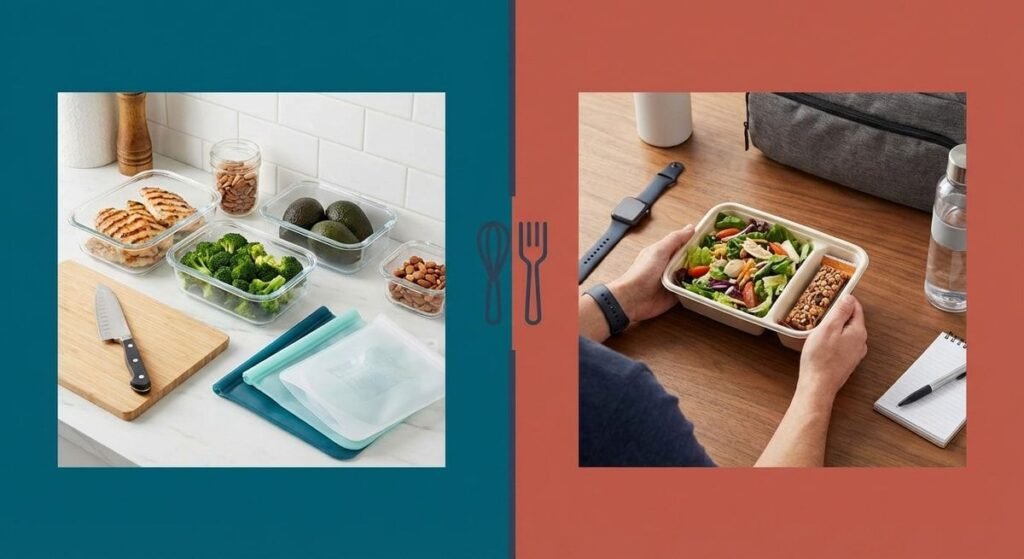
- Cook large quantities of proteins (e.g., roasted chicken, boiled eggs)
- Prepare keto-friendly sauces and dressings in advance
- Chop vegetables and portion snacks ahead of time
Storage and shelf life
- Use airtight containers for freshness
- Label meals with dates
- Store cooked meals in the fridge for 3-4 days or freeze for longer storage
Time-saving techniques
- Use slow cookers or instant pots
- Pre-portion ingredients for quick assembly
- Plan your meals around versatile ingredients
4. Keto-friendly Recipes for Every Meal
Breakfast ideas
- Egg and Veggie Scramble: Eggs with spinach, mushrooms, and cheese
- Keto Smoothie: Unsweetened almond milk, avocado, berries, and chia seeds
- Bacon and Avocado: Crispy bacon with sliced avocado and cherry tomatoes
Lunch and dinner options
- Grilled Salmon with Cauliflower Rice
- Zucchini Noodles with Pesto and Chicken
- Beef and Broccoli Stir-fry
Snacks and desserts
- Nuts and seeds
- Cheese sticks
- Keto fat bombs (e.g., coconut oil + cocoa + nuts)
- Sugar-free gelatin or mousse
5. Troubleshooting and Adjusting Your Meal Plan
Dealing with plateaus
- Reassess your macros
- Incorporate intermittent fasting
- Increase physical activity
Monitoring macros
- Use food tracking apps like MyFitnessPal or Carb Manager
- Measure portions accurately
- Adjust recipes to meet targets
Adjusting for sustainability
- Introduce variety with different recipes
- Allow occasional flexibility to avoid burnout
- Listen to your body’s signals
Decision Tree: Keto Meal Planning Decision Tree
Start
│
├─ Do you prefer plant-based or animal-based meals?
│   ├─ Plant-based → Focus on nuts, seeds, low-carb vegetables, tofu
│   └─ Animal-based → Focus on meats, eggs, dairy
│
├─ Do you have any food allergies or restrictions?
│   ├─ Yes → Choose suitable substitutes; customize recipes
│   └─ No → Proceed
│
├─ Do you cook daily or prefer batch prep?
│   ├─ Daily → Quick, simple recipes, minimal prep
│   └─ Batch → Prepare multiple meals at once, store for the week
│
├─ What ingredients are available?
│   ├─ Fresh produce → Incorporate seasonal vegetables
│   └─ Frozen or pantry staples → Plan meals around these
│
└─ What is your primary goal?
    ├─ Weight loss → Keep carbs on the lower end
    └─ Maintenance or muscle gain → Slightly higher protein intake
(You can customize this flowchart further based on your preferences and needs.)
Sample Keto Meal Plan Table
| Day | Breakfast | Lunch | Dinner | Snacks | Calories | Macros (Carb/Fat/Protein) |
|---|---|---|---|---|---|---|
| Monday | Eggs with spinach & cheese | Chicken salad with olive oil | Baked mackerel with zucchini | Almonds, cheese slices | 1,520 | 18g / 112g / 85g |
| Tuesday | Keto chia seed pudding | Turkey lettuce wraps | Beef stir-fry with peppers | Hard-boiled eggs | 1,470 | 22g / 105g / 78g |
| Wednesday | Avocado and bacon breakfast bowl | Shrimp Caesar salad (no croutons) | Pork chops with cauliflower mash | Macadamia nuts | 1,530 | 19g / 108g / 80g |
(Adjust portions for your specific caloric needs.)
Conclusion
Effective keto meal planning involves understanding your macronutrient targets, choosing the right ingredients, and preparing meals that fit your lifestyle. With a structured approach, including batch cooking, versatile recipes, and ongoing adjustments, you can enjoy sustainable low-carb living that supports your health and wellness goals.
Start implementing these strategies today—plan your meals, prep ahead, and explore delicious keto recipes. Remember, consistency and flexibility are key to long-term success.
For more recipes, tips, and resources, visit {{LINK:your-website}} and take the first step toward a healthier you!
Disclosure
This content is for informational purposes and does not substitute professional medical advice. Consult with a healthcare provider before making significant dietary changes, especially if you have underlying health conditions.
FAQ Section
Q: How do I start a keto meal plan for beginners?
A: Begin by understanding the basics of keto, set clear goals, and plan simple meals with familiar ingredients. Gradually incorporate keto-friendly foods and track your macros to stay in ketosis.
Q: What are some easy keto breakfast ideas?
A: Popular options include scrambled eggs with vegetables, keto smoothies with low-carb fruits, and bacon with avocado. These are quick to prepare and keep you full longer.
Q: How can I ensure I’m meeting my macro targets?
A: Use a food tracking app to log your daily intake, measure portions accurately, and adjust recipes as needed to hit your carbohydrate, protein, and fat goals.
Q: What are common mistakes to avoid on a keto meal plan?
A: Avoid hidden carbs in processed foods, neglecting electrolytes, and not tracking your macros. Also, don’t overlook variety and meal balance.
Q: Can I eat out while following a keto meal plan?
A: Yes, choose dishes high in protein and healthy fats, request modifications to reduce carbs, and focus on keto-friendly options available at restaurants.
Embark on your keto journey today with confident meal planning—enjoy delicious, nourishing meals that support your health goals!