
Introduction
Curious about the Carnivore Keto approach and how it stacks up against traditional diets? As health-conscious individuals and keto enthusiasts seek optimized ways to enhance performance and well-being, understanding the nuances of different low-carb strategies becomes essential.
This article explores what Carnivore Keto entails, compares it with other keto variants, and discusses how it can influence your health, weight management, and athletic performance. Whether you're considering a radical dietary shift or refining your current plan, gaining clarity on these approaches empowers you to make informed decisions tailored to your goals.
By understanding its benefits and challenges, you can determine if Carnivore Keto aligns with your health, performance, and lifestyle objectives.
Main Sections
1. Understanding Carnivore Keto
Definition and Principles
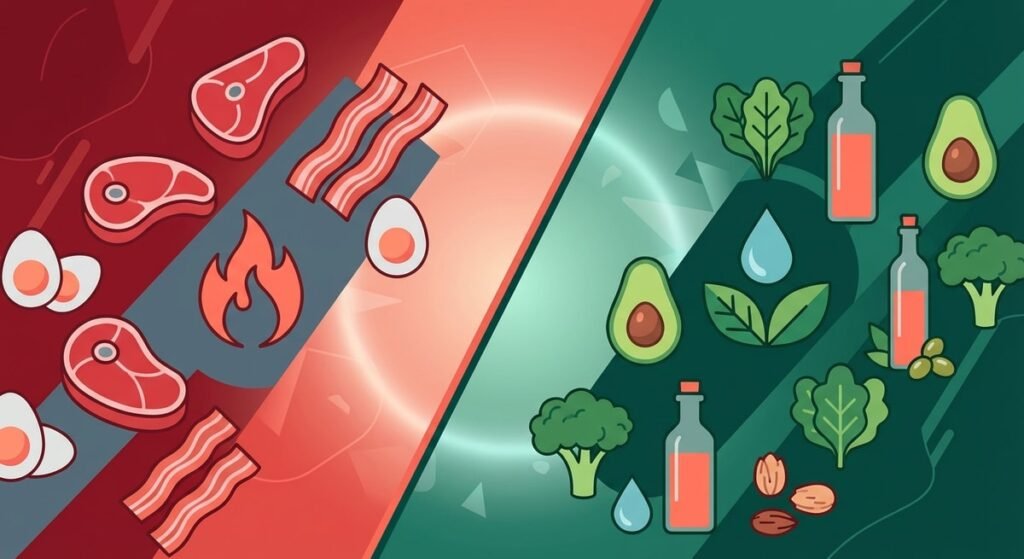
Carnivore Keto is an extreme form of low-carb, high-fat diet that focuses exclusively on animal-based foods. It eliminates all plant-based foods, including vegetables, fruits, nuts, and seeds, emphasizing meat, fish, eggs, and minimal dairy. The core principle is to rely solely on animal products to meet nutritional needs, aiming for ketosis while avoiding plant foods altogether.
How It Differs from Traditional Keto
While traditional keto allows a variety of plant-based foods within a carbohydrate limit (typically 20-50 grams per day), Carnivore Keto strips away these options entirely. The diet concentrates on protein and animal fats, with no allowance for carbs from vegetables or fruits, making it more restrictive.
Potential Benefits and Risks
Potential Benefits:
- Reduced inflammation and autoimmune symptom relief for some individuals
- Simpler meal planning due to limited food choices
- Possible improvements in mental clarity and focus
- Enhanced fat-adaptation for certain athletes
Potential Risks:
- Nutritional deficiencies (fiber, vitamins, minerals)
- Gut health concerns due to lack of fiber
- Increased saturated fat intake
- Long-term safety data limited
Note: Always consult a healthcare professional before adopting such restrictive diets.
2. Comparison of Carnivore Keto and Traditional Keto
How We Chose
Our comparison considers key factors like food choices, macronutrient ranges, health impacts, and practical implementation. We analyze peer-reviewed studies, expert opinions, and real-world testimonials to deliver a balanced view that helps you assess suitability based on your goals.
Carnivore Keto vs Traditional Keto
| Feature | Carnivore Keto | Traditional Keto | Modified Keto (Hybrid) |
|---|---|---|---|
| Food Choices | Exclusively animal products | Animal + select plant-based foods | Mainly animal with some low-carb vegetables |
| Macronutrient Range | ~70-85% fat, 15-30% protein, near 0 carbs | Similar fat and protein, 20-50g carbs/day | Similar to traditional but more flexible |
| Fiber & Micronutrients | Limited, depends on organ meats/dairy | Adequate from vegetables, nuts, fruits | Better micronutrient diversity |
| Flexibility & Simplicity | Very restrictive, simple to follow | Moderate flexibility | More adaptable for long-term sustainability |
| Potential Benefits | Autoimmune relief, mental clarity | Weight loss, metabolic health | Balanced approach, fewer risks |
| Potential Risks | Nutrient deficiencies, gut issues | Nutrient diversity, less restrictive | Nutrient balance, potential carb creep |
| Best For | Those seeking strict animal-based diet | General keto enthusiasts, beginners | Those wanting low-carb benefits with more variety |
3. Implementing Carnivore Keto: Step-by-Step Guide
Getting Started
- Assess your health with a healthcare provider, especially if you have existing conditions.
- Gradually eliminate plant foods to allow your body to adapt.
- Stock up on high-quality meats, including beef, pork, poultry, fish, and organ meats.
- Focus on nutrient-dense animal foods, such as liver and bone broth, to prevent deficiencies.
Meal Planning Tips
- Prioritize variety within animal foods to cover micronutrient needs.
- Incorporate eggs, dairy, and seafood for added diversity.
- Use simple seasoning options—salt, pepper, herbs—to keep meals palatable.
- Track macros and symptoms to monitor adaptation.
Monitoring and Adjusting
- Regularly assess your energy levels, mood, digestion, and physical performance.
- Consider periodic blood work to check nutrient levels and inflammation markers.
- Adjust fat and protein intake based on your goals and response.
- Stay hydrated and consider electrolyte supplementation, especially during initial adaptation.
4. Performance and Health Outcomes
Athletic Performance
Some athletes report improved endurance, reduced inflammation, and quicker recovery on Carnivore Keto, attributed to high fat and protein intake. However, performance varies, and some may experience decreased energy during high-intensity workouts due to limited carbohydrate intake.
Mental Clarity
Many adherents cite enhanced mental focus and reduced brain fog, possibly due to stable blood sugar levels and absence of plant-based antinutrients.
Long-Term Sustainability
While some find Carnivore Keto sustainable in the short-term, its restrictive nature poses challenges for long-term adherence. Balanced approaches or periodic reintroduction of plant foods might be necessary for sustained health.
5. Expert Opinions and Personal Experiences
What Experts Say
Some nutritionists and functional medicine practitioners observe benefits in symptom relief and metabolic health but emphasize caution due to limited long-term data. They recommend personalized approaches and professional guidance.
Real User Testimonials
- Positive: Improved autoimmune symptoms, weight loss, mental clarity.
- Challenges: Initial fatigue, social isolation, nutrient monitoring.
Individual experiences vary widely, underscoring the importance of adaptation and professional oversight.
Conclusion
Summary
Carnivore Keto is a highly restrictive, animal-based low-carb diet that may offer unique health and performance benefits, especially for those with autoimmune conditions or seeking mental clarity. However, it involves significant dietary restrictions, potential nutritional risks, and limited long-term safety data. Its implementation requires careful planning, monitoring, and professional consultation.
Call-to-Action
Evaluate whether Carnivore Keto aligns with your health and performance goals. Before making a drastic dietary change, consult a healthcare provider to ensure safety and appropriateness. For personalized guidance, consider working with a registered dietitian familiar with low-carb and carnivore approaches.
This content is for informational purposes only and does not substitute professional medical advice. Consult a healthcare provider before making significant dietary changes.
FAQ Section
Q: What is Carnivore Keto and how does it differ from traditional keto?
A: Carnivore Keto is an extreme low-carb diet that excludes all plant foods, focusing solely on animal products like meat, eggs, and dairy. Traditional keto allows a variety of vegetables, nuts, and fruits within specified carbohydrate limits, providing more dietary diversity.
Q: Is Carnivore Keto safe for long-term health?
A: Long-term safety data is limited. Some individuals report benefits, but there are concerns about nutrient deficiencies, gut health issues, and elevated saturated fat intake. It’s crucial to monitor health markers and consult a healthcare professional if planning extended adherence.
Q: Can athletes perform well on Carnivore Keto?
A: Some athletes experience improved endurance and recovery, but performance outcomes vary. The diet's restrictive nature may require adjustments to meet energy demands for intense training.
Q: What foods are allowed on Carnivore Keto?
A: Allowed foods include beef, pork, poultry, fish, eggs, and minimal dairy. Organ meats and bone broth are recommended for nutritional variety. Plant foods and processed foods are excluded.
Q: How do I start transitioning to Carnivore Keto?
A: Begin by gradually removing plant-based foods, focus on high-quality meats, and track your macros and symptoms. Stay well-hydrated, consider electrolyte supplementation, and seek professional advice to ensure a safe transition.
Disclaimer
This content is for informational purposes only and does not substitute professional medical advice. Consult a healthcare provider before making significant dietary changes.
Evaluation Criteria
How We Chose:
Our comparison considers key factors such as food choices, macronutrient ranges, health impacts, practicality, and long-term sustainability. We examined scientific research, expert opinions, and anecdotal reports to provide an objective overview tailored to performance-driven individuals.
Embark on your health journey with informed choices—consider your unique needs and consult with professionals to determine the best dietary approach for you.