
Introduction
Deciding between keto and gut health approaches can be overwhelming with so many options available. This article provides a comprehensive decision rubric to help you evaluate whether keto or gut health strategies suit your goals, along with comparisons and practical checklists. The concept of "Keto Gut Choice" encapsulates the idea of selecting the most suitable low-carb or gut-focused approach tailored to your unique needs. By following this guide, you'll gain clarity on choosing the right approach to optimize your low-carb lifestyle and improve gut health effectively.
Making informed decisions about your diet is crucial for sustainable health improvements. Whether you're looking to lose weight, enhance digestion, or address specific health concerns, understanding the differences and compatibility of keto and gut health strategies will empower you to make the best choice. Let’s explore how to navigate this decision-making process with clarity and confidence.
Understanding the Keto Diet and Gut Health Goals
What is the keto diet?
The ketogenic (keto) diet is a high-fat, moderate-protein, very low-carbohydrate diet designed to induce a state of ketosis, where your body burns fat for fuel instead of carbs. This approach has gained popularity for weight loss, improved mental clarity, and metabolic health. The typical macronutrient breakdown involves:
- Fat: 70-80%
- Protein: 15-20%
- Carbohydrates: 5-10%
The primary goal is to shift your body's energy source and promote fat burning, which can lead to significant weight loss and blood sugar regulation.
What does gut health entail?
Gut health refers to the optimal functioning of your digestive system, especially the balance of beneficial bacteria (microbiota) within your gut. Good gut health is essential for nutrient absorption, immune function, and mental well-being. Key factors include:
- Diversity of gut microbiota
- Presence of beneficial bacteria (e.g., Lactobacillus, Bifidobacterium)
- Integrity of the gut lining
- Proper digestion and elimination
Strategies for improving gut health often focus on fermented foods, prebiotics, probiotics, fiber intake, and reducing inflammatory foods.
How do these approaches impact your body?
- The keto diet can influence gut health positively by reducing carbohydrate fermentation that produces harmful byproducts, but it may also limit fiber intake if not carefully planned.
- Gut health strategies aim to restore microbial diversity and gut integrity, which can support or enhance keto diet benefits, especially if digestion or inflammation issues are involved.
Understanding these goals helps clarify whether your primary focus is weight management, metabolic health, digestive support, or a combination of these.
Using the Decision Tree to Choose Your Path
The Keto and Gut Health Decision Tree below guides you through key questions to determine which approach aligns best with your goals and lifestyle.
Keto and Gut Health Decision Tree
Start Here: What is your primary health goal?
- Option A: I want to lose weight and improve metabolic health
- Is managing blood sugar or insulin resistance a concern?
- Yes → Proceed to evaluate dietary preferences and medical conditions
- No → Consider a balanced low-carb approach; see [Internal Link: Weight Loss Focus]
- Is managing blood sugar or insulin resistance a concern?
- Option B: I want to enhance digestion and improve gut health
- Do I experience digestive issues like bloating, gas, or irregularity?
- Yes → Focus on gut-supportive strategies; see [Internal Link: Gut Restoration]
- No → Maintain a balanced diet that supports microbiota diversity; see [Internal Link: Gut-Friendly Diets]
- Do I experience digestive issues like bloating, gas, or irregularity?
Evaluate your dietary preferences:
- Do you prefer high-fat, low-carb eating with minimal carbs?
- Yes → Keto diet may be suitable; explore [Internal Link: Keto Implementation]
- Are you more interested in diverse, fiber-rich foods and fermented products?
- Yes → Gut health strategies may be preferable; see [Internal Link: Gut Nourishing Habits]
Identify potential health concerns:
- Do you have medical conditions like pancreatitis, liver disease, or pregnancy?
- Yes → Consult a healthcare professional before making significant dietary changes
- Are you prone to nutrient deficiencies or malabsorption?
- Yes → Focus on nutrient-dense, gut-friendly foods; see [Internal Link: Nutritional Support]
Comparison Matrix: Keto vs Gut Health Approach
Understanding the differences and overlap between keto and gut health strategies can help you decide which aligns best with your needs.
Methodology/Evaluation Criteria
This comparison evaluates features based on dietary focus, impact on digestion, sustainability, and common challenges, providing a balanced view.
Keto vs Gut Health Comparison
| Feature | Keto Diet | Gut Health Strategies | Overlap / Complementary Approach |
|---|---|---|---|
| Dietary Focus | High fat, very low carbs | Fermented foods, prebiotics, probiotics | Both emphasize nutrient quality |
| Impact on Digestion | May reduce fiber intake; can cause constipation if poorly planned | Improves microbiota diversity; supports digestion | Combining supports gut-friendly keto |
| Long-term Sustainability | Variable; requires strict adherence | Generally sustainable with varied foods | Combining can enhance adherence |
| Common Challenges | Keto flu, nutrient deficiencies, social restrictions | Identifying effective probiotics, maintaining microbiota diversity | Addressing both needs simultaneously |
| Best For | Weight loss, blood sugar control | Digestive health, immune support | Those seeking balanced, gut-friendly keto |
Step-by-Step Checklist for Implementation
Embarking on your “Keto Gut Choice” journey requires careful planning and gradual adjustments. Use this checklist to assess readiness and incorporate gut-friendly habits effectively.
Keto and Gut Health Implementation Checklist
- Assess your current diet: Track your food intake for a week to identify carb sources and fiber consumption.
- Identify gut-friendly foods: Incorporate fermented vegetables, kefir, sauerkraut, and prebiotic fibers like inulin.
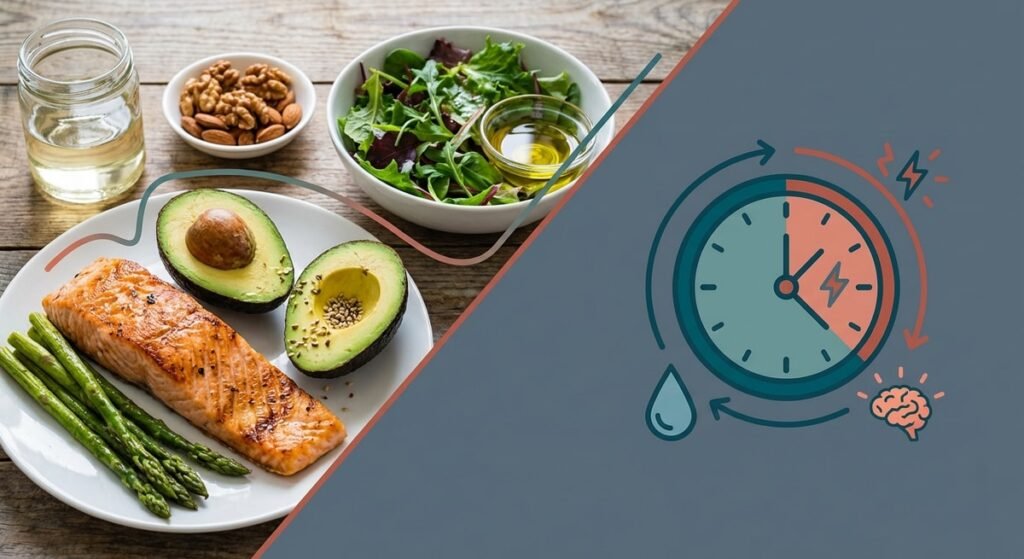
- Plan your keto meals: Focus on healthy fats (avocado, nuts), moderate protein, and low-carb vegetables. Avoid processed meats and sugars.
- Monitor gut health symptoms: Keep a journal of bloating, gas, bowel regularity, and overall digestion.
- Adjust fiber intake: Ensure sufficient prebiotic fibers to support microbiota without disrupting ketosis.
- Incorporate probiotics: Consider supplements or probiotic-rich foods to enhance microbial diversity.
- Gradually transition: Avoid abrupt changes; introduce new foods slowly to observe tolerance.
- Consult professionals: Work with a healthcare provider or dietitian for personalized guidance and bloodwork assessments.
Expert Insights and Personal Stance
My Experience with Keto and Gut Health
From working with clients and reviewing scientific studies, I’ve observed that a well-executed keto diet can support weight loss and metabolic health, but may sometimes challenge gut health if fiber intake is neglected. Conversely, focusing on gut health with fermented foods and prebiotics enhances digestion and immune function, which can complement keto strategies. Striking a balance—what I refer to as the Keto Gut Choice—often yields the best long-term results.
Lessons Learned from Long-Term Implementation
- Prioritize nutrient density over restriction.
- Incorporate a variety of fiber sources compatible with keto.
- Monitor your body's responses and adjust accordingly.
- Combine dietary strategies with lifestyle factors like stress management and sleep for holistic health.
Conclusion
Choosing between keto and gut health strategies depends on your individual goals, preferences, and health conditions. The Keto Gut Choice framework helps you systematically evaluate your needs and select the most appropriate approach. Using the comparison tools and implementation checklist provided, you can confidently embark on your journey toward better health.
Start applying these steps today, and consider consulting a healthcare professional for personalized guidance to optimize your low-carb lifestyle and gut health.
Disclosure
This content is for informational purposes only and should not replace professional medical advice. Always consult with a healthcare provider before making significant dietary changes, especially if you have underlying health conditions.
FAQ Section
Q: How do I know if keto is right for me?
A: Evaluate your health goals, dietary preferences, and any medical conditions. Use the decision tree to assess if keto aligns with your lifestyle.
Q: Can I combine keto and gut health strategies?
A: Yes, many find combining them effective. Focus on gut-friendly keto foods like fermented vegetables and avoid processed carbs.
Q: What are common challenges when starting keto?
A: Initial adaptation symptoms like fatigue, keto flu, and food cravings. Proper planning and gradual transition can help.
Q: How long does it take to see gut health improvements?
A: Improvements can vary but typically range from a few weeks to a couple of months with consistent dietary changes.
Q: Is keto safe for everyone?
A: Not necessarily. Consult a healthcare professional, especially if you have medical conditions or are pregnant or breastfeeding.
For more insights, visit Mayo Clinic or explore recent studies on PubMed. To deepen your understanding, check out our {{LINK:keto-gut-strategies}} and {{LINK:gut-health-approaches}} pages for detailed guides.
Take the first step toward your optimal health today—evaluate your goals and craft a personalized plan that suits your unique needs. Your best health awaits!