Introduction
Keto and Inflammation is a topic gaining increasing attention among health-conscious individuals seeking natural ways to improve overall wellness. Chronic inflammation is linked to numerous health issues, including heart disease, autoimmune disorders, and metabolic syndrome. Many people wonder whether adopting a ketogenic diet can help reduce inflammation and promote better health outcomes.
This article compares keto and other low-carb diets to understand their impact on inflammation, focusing on whether keto can be an effective anti-inflammatory approach. We will explore scientific evidence, practical dietary strategies, and potential risks to help you make informed decisions about incorporating keto into your health regimen. By the end, you’ll have a clearer picture of how keto influences inflammation and actionable tips for implementing an anti-inflammatory keto lifestyle.
Understanding the Link Between Keto Diet and Inflammation
What is Inflammation?
Inflammation is a natural immune response to injury or infection, characterized by redness, swelling, and pain. While acute inflammation helps heal tissues, chronic inflammation persists over time and can contribute to various diseases. Factors like poor diet, stress, sedentary lifestyle, and environmental toxins can exacerbate inflammation levels.
How Keto Influences Inflammation
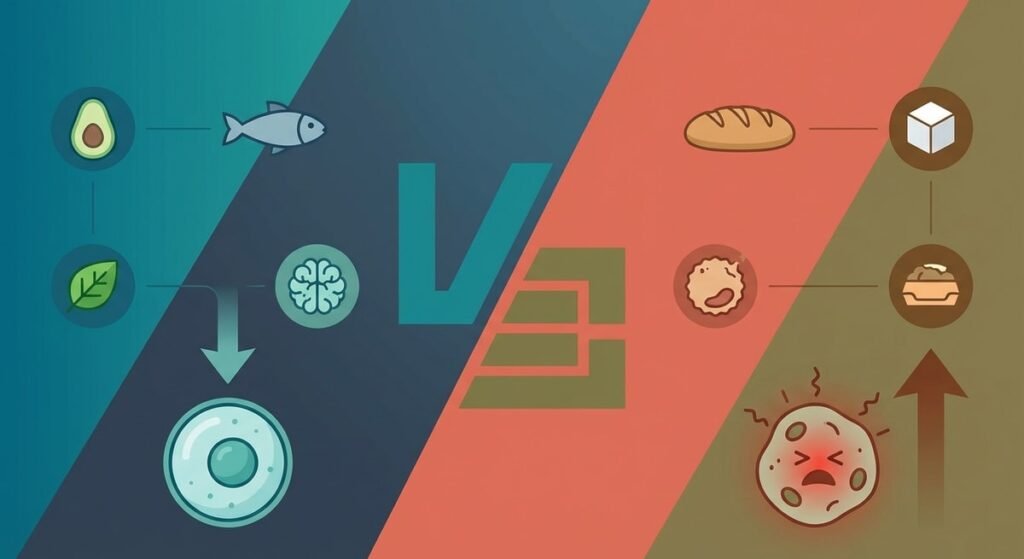
The ketogenic diet emphasizes high-fat, moderate-protein, and very low-carbohydrate intake. This shift in macronutrients impacts inflammatory processes through several mechanisms:
- Reduction in blood sugar and insulin levels: Elevated blood sugar and insulin are associated with increased inflammation. Keto helps stabilize blood glucose, potentially lowering inflammatory markers.
- Increased intake of anti-inflammatory fats: Keto promotes consumption of omega-3 fatty acids, monounsaturated fats, and antioxidants found in foods like fatty fish, nuts, and seeds.
- Enhanced mitochondrial function: Ketones serve as efficient fuel sources, reducing oxidative stress and inflammation at the cellular level.
- Gut health modulation: Keto can influence gut microbiota composition, which plays a role in systemic inflammation.
Scientific Evidence Overview
Research indicates that ketogenic diets may reduce markers of inflammation, such as C-reactive protein (CRP) and interleukin-6 (IL-6). For example, a study published in PubMed found decreased inflammatory markers in individuals following keto for metabolic health improvement. However, results vary depending on individual health status and diet adherence. It's important to note that more high-quality human studies are needed to confirm long-term effects.
Comparison of Keto and Other Low-Carb Diets on Inflammation
How We Chose
Our comparison evaluates the impact of keto versus other low-carb diets on inflammation based on:
- Scientific research and clinical trials
- Dietary composition and food choices
- Effects on inflammatory biomarkers
- Suitability for different health conditions
- Sustainability and ease of adherence
The goal is to provide an unbiased, evidence-based comparison that highlights the differences and similarities among these dietary patterns.
Keto vs. Paleo
| Feature | Keto | Paleo | Low-Carb Mediterranean |
|---|---|---|---|
| Macronutrient Focus | Very low carbs, high fat | Moderate carbs, high protein & fat | Moderate carbs, high healthy fats |
| Main Foods | Fatty fish, eggs, avocados, nuts | Lean meats, vegetables, fruits, nuts | Olive oil, fish, vegetables, nuts |
| Inflammation Impact | May significantly lower inflammatory markers | May reduce inflammation but less pronounced | Shown to reduce inflammation via omega-3s & antioxidants |
| Key Benefits | Blood sugar stabilization, fat loss | Gut health, nutrient density | Heart health, antioxidant intake |
| Best For | Those seeking rapid inflammation reduction | Those prioritizing gut health | Overall wellness with anti-inflammatory focus |
Keto vs. Atkins
| Feature | Keto | Atkins (Induction Phase) | Low-Carb Mediterranean |
|---|---|---|---|
| Macronutrient Focus | Very low carbs, high fat | Very low carbs, moderate protein | Moderate carbs, healthy fats |
| Main Foods | Fatty meats, cheese, oils | Lean meats, eggs, vegetables | Fish, olive oil, vegetables |
| Inflammation Impact | Potentially greater due to higher fat intake | Similar, but depends on food choices | Proven to lower inflammation markers |
| Key Benefits | Fat burning, insulin control | Weight loss, blood sugar control | Cardiovascular health, anti-inflammatory effects |
| Best For | Individuals with inflammatory conditions | Those seeking structured low-carb plan | Those wanting sustainable lifestyle |
Keto vs. Low-Carb Mediterranean
| Feature | Keto | Low-Carb Mediterranean | Comparison Summary |
|---|---|---|---|
| Macronutrients | Very low carbs, high fat | Moderate carbs, high healthy fats | Both promote healthy fats, keto is stricter |
| Focus | Fat adaptation, rapid fat loss | Heart health, nutrient diversity | Keto may have more pronounced anti-inflammatory effects due to higher fat intake |
| Foods Emphasized | Fatty fish, oils, nuts | Olive oil, fish, vegetables | Both emphasize omega-3 rich foods |
| Inflammation Impact | May be more potent | Proven to reduce systemic inflammation | Both effective but different approaches |
How to Incorporate Keto for Reducing Inflammation
Anti-Inflammatory Keto Foods
To maximize anti-inflammatory benefits on keto, focus on:
- Fatty fish: Salmon, mackerel, sardines rich in omega-3s
- Leafy greens: Spinach, kale, arugula high in antioxidants
- Nuts & seeds: Walnuts, flaxseeds, chia seeds for healthy fats
- Healthy oils: Extra virgin olive oil, avocado oil
- Low-carb vegetables: Broccoli, cauliflower, zucchini
Lifestyle Factors
- Regular physical activity: Exercise reduces inflammation and improves metabolic health.
- Adequate sleep: Quality sleep helps regulate inflammatory responses.
- Stress management: Practices like meditation and mindfulness lower stress-induced inflammation.
- Limit processed foods: Avoid refined sugars and processed oils that promote inflammation.
Supplements and Herbs
- Omega-3 supplements: Fish oil capsules can support anti-inflammatory effects.
- Turmeric: Contains curcumin, known for its anti-inflammatory properties.
- Green tea extract: Rich in polyphenols, which combat oxidative stress.
- Probiotics: Support gut health, impacting systemic inflammation.
Potential Risks and Considerations
Who Should Avoid keto?
- Individuals with pancreatitis, liver disease, or certain metabolic disorders
- Pregnant or breastfeeding women (consult healthcare provider)
- Those with a history of eating disorders
- People on specific medications requiring dietary management
Signs of Inflammation Worsening
- Persistent fatigue
- Increased joint pain
- Digestive disturbances
- Skin issues or rashes
Balancing keto with medical advice
Always consult healthcare professionals before starting keto, especially if you have underlying health conditions or inflammation-related diseases. Regularly monitor inflammatory markers through blood tests to assess progress.
Decision Tree: Should You Try Keto for Inflammation?
## Should You Try Keto for Inflammation?

**Start Here:** Are you experiencing chronic inflammation or related health issues?
- **Option A** → Yes → Proceed to evaluate your health status
  - **Sub-question?** Do you have any metabolic or autoimmune conditions?
    - **Yes** → Consult with a healthcare provider before trying keto; consider a tailored approach
    - **No** → Keto could be beneficial; follow an anti-inflammatory plan
- **Option B** → No → Focus on balanced, nutrient-rich diet and lifestyle modifications
  - Consider other anti-inflammatory strategies {{LINK:anti-inflammatory-diet}}
Evaluation Criteria
How We Chose
Our comparison relies on peer-reviewed studies, clinical trials, and meta-analyses. We prioritized diets with substantial scientific backing on their effects on inflammatory biomarkers like CRP, IL-6, and TNF-alpha. Factors include macronutrient composition, food choices, sustainability, and patient outcomes. We also considered individual variability and the importance of personalized nutrition.
Conclusion
Keto may offer notable anti-inflammatory benefits when implemented thoughtfully, emphasizing nutrient-dense, omega-3 rich foods, and healthy lifestyle practices. However, individual responses can vary, and it is essential to approach keto under medical supervision if you have existing health conditions.
By understanding the nuances of "Keto and Inflammation," you can tailor your dietary choices to best support your health goals. Always consult with healthcare professionals to personalize your plan and consider tracking your inflammation markers to gauge progress effectively.
Steps to Reduce Inflammation on Keto
- Choose anti-inflammatory fats: Incorporate fatty fish, nuts, seeds, and olive oil.
- Prioritize low-carb vegetables: Such as leafy greens, broccoli, and zucchini.
- Limit processed foods: Reduce intake of refined sugars and unhealthy oils.
- Incorporate herbs and supplements: Turmeric, omega-3s, green tea extract.
- Engage in regular exercise: Aerobic and strength training support anti-inflammatory effects.
- Manage stress: Practice mindfulness or meditation.
- Ensure adequate sleep: Aim for 7-9 hours per night.
- Monitor health markers: Regular blood tests for inflammation levels.
This article is for informational purposes and does not substitute professional medical advice.
FAQ Section
Q: Can keto really reduce inflammation?
A: Research suggests that keto may help lower inflammation through mechanisms like reducing oxidative stress and improving gut health, but individual results vary. For more details, see {{LINK:inflammation-and-diet}}.
Q: What foods should I eat on keto to fight inflammation?
A: Focus on fatty fish, leafy greens, nuts, seeds, and healthy oils rich in omega-3s and antioxidants to support anti-inflammatory effects.
Q: Are there any risks of using keto for inflammation?
A: Yes, especially for people with certain health conditions; it's important to consult a healthcare provider and monitor inflammatory markers.
Q: How long does it take to see inflammation reduction on keto?
A: Some individuals notice improvements within a few weeks, but sustained dietary adherence over several months yields better results.
Q: Can keto replace medications for inflammation?
A: Keto should not replace prescribed medications without medical supervision; it can be a complementary approach under professional guidance.
This article is for informational purposes and does not substitute professional medical advice.