Introduction
Are you experiencing unexpected hair thinning while on keto? You're not alone. Keto hair loss is a common concern among those adopting a low-carb or ketogenic lifestyle. Although the diet offers numerous health benefits, some individuals notice increased hair shedding during the initial phases or even long-term. This article explores the main causes of keto hair loss, including hormonal shifts, nutrient deficiencies, and lifestyle factors, and provides practical, evidence-based solutions to help you maintain healthy, vibrant hair without compromising your dietary goals.
By understanding the underlying reasons and adopting targeted strategies, you can prevent or reverse hair loss while enjoying the benefits of keto. Whether you're a beginner or an intermediate practitioner, this guide aims to empower you with actionable insights to preserve your hair health.
Understanding the Link Between Keto and Hair Loss
Keto hair loss is often linked to physiological changes that occur when transitioning to a low-carb, high-fat diet. Let's explore some of the key factors involved.
Hormonal Changes on Keto
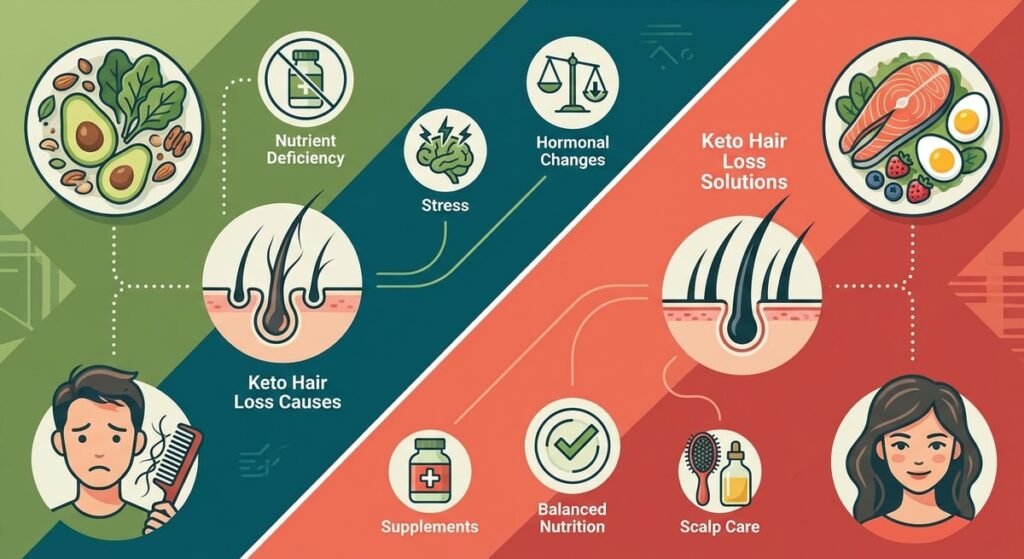
The ketogenic diet can influence hormone levels, particularly insulin, thyroid hormones, and sex hormones like testosterone and estrogen. These hormonal shifts may impact hair growth cycles. For example, reduced insulin levels can alter androgen levels, which play a role in hair follicle health. Additionally, thyroid function may fluctuate temporarily, potentially leading to hair thinning.
Nutrient Deficiencies
Keto diets can sometimes lead to deficiencies in vital nutrients essential for hair health, such as biotin, zinc, iron, and vitamins A, D, and E. A lack of these nutrients impairs keratin synthesis and follicle function. For instance, iron deficiency is a well-known cause of hair loss, and restrictive diets without proper supplementation can exacerbate this risk.
Stress and Lifestyle Factors
The initial adaptation phase of keto, often called the "keto flu," can induce physical and mental stress, which in turn triggers hair shedding through telogen effluvium—a temporary hair loss condition. Sleep disturbances, dehydration, and increased physical stress can all contribute.
Common Causes of Hair Loss on a Keto Diet
Understanding the specific causes behind keto hair loss helps tailor effective solutions. Here are the most common culprits:
Low Protein Intake
While keto emphasizes fats and moderate protein, some individuals may inadvertently consume insufficient protein, which is vital for hair growth. Protein provides amino acids necessary for keratin production, the structural protein in hair.
Electrolyte Imbalance
Keto diets promote diuresis—excessive urination—that can lead to loss of electrolytes like sodium, potassium, and magnesium. Imbalances in these minerals can weaken hair follicles and contribute to hair thinning.
Gut Health Disruption
Keto's restrictive nature may affect gut microbiota, leading to dysbiosis—a disruption in healthy gut bacteria. Poor gut health impairs nutrient absorption and increases systemic inflammation, both of which can negatively impact hair health.
Strategies to Prevent and Address Keto Hair Loss
Addressing keto hair loss involves a multi-faceted approach. Here are effective strategies to support hair health:
Optimizing Nutrient Intake
- Ensure Adequate Protein: Aim for at least 0.8–1.2 grams of protein per kilogram of body weight daily, focusing on high-quality sources like eggs, fish, poultry, and plant-based proteins.
- Supplement Key Vitamins & Minerals: Consider supplementing with biotin, zinc, iron, and vitamin D after consulting with a healthcare provider. These nutrients are critical for hair growth.
- Eat Nutrient-Dense Foods: Incorporate leafy greens, nuts, seeds, and avocados to boost micronutrient intake without breaking ketosis.
Supporting Gut and Hormonal Health
- Probiotics and Prebiotics: Incorporate fermented foods or supplements to promote gut microbiota diversity.
- Manage Stress: Practice mindfulness, meditation, or yoga to reduce stress-induced hair shedding.
- Balance Electrolytes: Use electrolyte supplements or mineral-rich foods like seaweed, nuts, and avocados to prevent imbalances.
Lifestyle and Supplement Tips
- Stay Hydrated: Adequate water intake supports detoxification and nutrient transport.
- Avoid Rapid Weight Loss: Slow, steady weight loss minimizes metabolic stress.
- Limit Overtraining: Excessive exercise can increase cortisol levels, which may contribute to hair loss.
- Use Gentle Hair Care: Avoid harsh treatments and minimize heat styling to prevent hair breakage.
Monitoring Your Progress and When to Seek Help
Regularly assess your hair health and be vigilant for signs that may require professional intervention.
Tracking Hair Health
- Take photos periodically to compare hair density over time.
- Note changes in shedding or scalp visibility.
Signs of Severe Hair Loss
- Sudden, excessive shedding beyond normal expectations.
- Patchy bald spots or scalp inflammation.
- Persistent hair thinning after 3–6 months of dietary adjustments.
Consulting Professionals
If hair loss persists or worsens, consult a healthcare provider or dermatologist. They can evaluate for underlying conditions like thyroid dysfunction or hormonal imbalances and recommend targeted treatments.
Additional Resources and Support
- Explore keto-friendly hair supplements such as biotin and collagen—always under medical supervision.
- Join support groups online or local communities focused on keto lifestyle and health.
- Consider professional nutritional counseling or dermatology consultations for personalized plans.
Keto Hair Loss Decision Path
Start Here: Are you experiencing significant hair shedding since starting keto?
- Yes → Likely diet-related or adaptation phase.
- Are you consuming sufficient protein and nutrients?
- Yes → Consider hormonal testing or other health issues.
- No → Increase protein intake, supplement if needed, {{LINK:nutritional-guidance}}.
- Are you consuming sufficient protein and nutrients?
- No → Hair loss may be due to other factors like stress or scalp conditions.
Option B: No hair loss but concerned about future risk?
- Maintain balanced nutrition, monitor symptoms, and consider proactive supplementation.
Keto vs. Other Diets for Hair Health
| Feature | Keto Diet | Paleo Diet | Low-Carb Diet (Non-Keto) |
|---|---|---|---|
| Nutrient Profile | Moderate protein, high fat, low carbs | Emphasizes whole foods, moderate carbs | Variable, often higher carbs than keto |
| Impact on Hair | Potential nutrient deficiencies, hormonal shifts | Generally nutrient-rich, less restrictive | Depends on food choices, risk of deficiencies |
| Electrolyte Balance | Critical due to diuresis | Usually stable | Variable, depending on diet composition |
| Gut Health | Risk of dysbiosis if poorly managed | Generally gut-friendly | Varies with fiber intake |
| Common Side Effects | Hair loss, keto flu, constipation | Fewer side effects | Possible deficiencies or excesses |
| Best For | Fat-adapted individuals seeking rapid weight loss | Whole-food enthusiasts | Flexible low-carb dieters |
How We Chose
Our comparison methodology evaluates diets based on their nutrient density, impact on hormonal and gut health, likelihood of side effects like hair loss, and overall sustainability. We considered peer-reviewed research, clinical studies, and expert consensus to ensure accurate, evidence-based insights. This helps readers understand the factors influencing keto hair loss relative to other dietary approaches.
Steps to Prevent Hair Loss on Keto
- Ensure Adequate Protein Intake: Consume at least 0.8–1.2 grams per kg of body weight daily from diverse sources.
- Supplement Key Nutrients: Incorporate biotin, zinc, iron, and vitamin D after consulting your healthcare provider.
- Eat Nutrient-Dense Foods: Focus on leafy greens, nuts, seeds, and healthy fats to optimize micronutrient intake.
- Support Gut Health: Add probiotic-rich fermented foods like kefir, sauerkraut, or supplements.
- Balance Electrolytes: Use electrolyte powders or foods rich in sodium, potassium, and magnesium.
- Manage Stress: Practice mindfulness techniques to reduce cortisol levels that may contribute to shedding.
- Stay Hydrated: Aim for at least 8 glasses of water daily to support metabolic and nutrient processes.
- Avoid Rapid Weight Loss and Overtraining: Slow, consistent weight loss and moderate exercise help prevent excessive stress.
Conclusion
Keto hair loss can be effectively managed by addressing nutritional deficiencies, hormonal fluctuations, and lifestyle factors. With tailored adjustments—such as optimizing nutrient intake, supporting gut health, and maintaining a balanced lifestyle—you can preserve your hair health while enjoying your low-carb lifestyle. Remember, patience and consistency are key, and seeking professional guidance when necessary can make a significant difference.
Start implementing these strategies today, and consult a healthcare professional if hair loss persists. Your hair health is achievable on keto!
This article provides general information and is not a substitute for professional medical advice. Consult a healthcare provider for personalized guidance.
FAQ Section
Q: What are the main causes of hair loss on the keto diet?
A: The primary causes include nutrient deficiencies like biotin, zinc, and iron, hormonal fluctuations, electrolyte imbalances, and stress related to dietary changes.
Q: Can supplementing help prevent keto hair loss?
A: Yes, targeted supplements such as biotin, collagen, zinc, and iron can support hair health, but should be taken under professional guidance to ensure safety and effectiveness.
Q: How long does it take to see improvements after addressing hair loss causes?
A: Improvements can typically be seen within 3 to 6 months of consistent dietary adjustments, supplementation, and stress management.
Q: Is keto hair loss reversible?
A: In most cases, keto-related hair loss is reversible with proper nutrition, lifestyle changes, and time, but persistent or severe cases should be evaluated by a healthcare professional.
Q: Should I see a doctor if I experience hair loss on keto?
A: Yes, if hair loss is sudden, severe, or persistent despite dietary adjustments, consult a healthcare provider or dermatologist to rule out underlying health issues.
This article provides general information and is not a substitute for professional medical advice. Consult a healthcare provider for personalized guidance.