Introduction
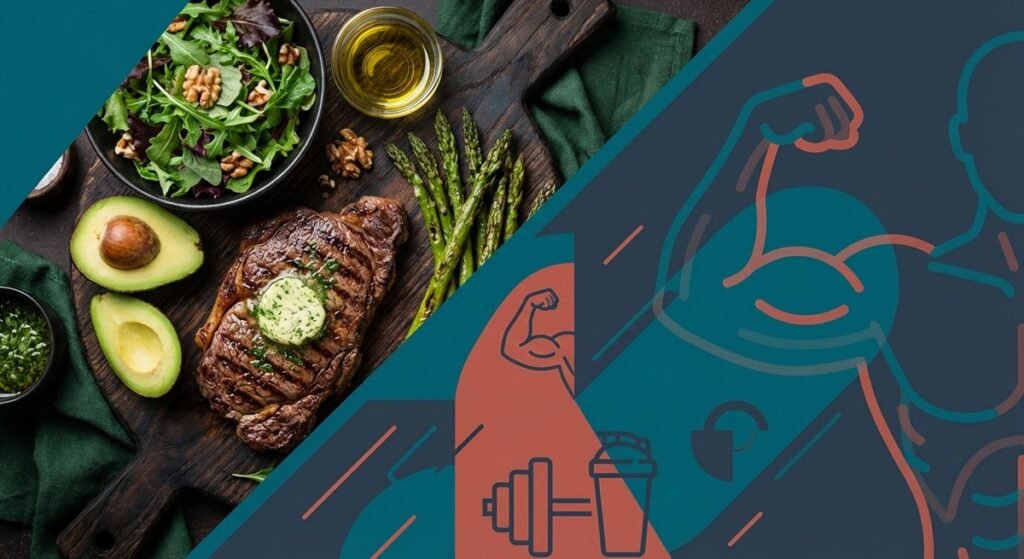
Are you a bodybuilder curious about maximizing muscle growth while on a ketogenic diet? Many fitness enthusiasts explore keto for its fat-burning benefits, but can it also support your muscle-building goals? The answer is yes—when strategically implemented, keto can be a powerful tool for enhancing performance, recovery, and muscle gain.
This comprehensive guide explores how to effectively incorporate keto into your training routine. You'll learn about macro management, carb cycling techniques, optimal training strategies, and how to overcome common challenges. By understanding these principles, you can tailor your diet to support sustained muscle growth, improve energy levels, and optimize recovery—all while maintaining the benefits of a low-carb lifestyle.
Understanding the Keto Diet for Bodybuilding
Basic Principles of Keto
The ketogenic diet is characterized by a high-fat, moderate-protein, and very low-carbohydrate macronutrient profile. Typically, keto macros look like:
- Fat: 70-80%
- Protein: 15-25%
- Carbohydrates: 5-10% (usually under 50 grams per day)
This shift prompts your body to enter a state of ketosis, where it burns fat for fuel instead of glucose.
How Keto Impacts Muscle Building
While traditionally associated with fat loss, keto can support muscle gain through:
- Enhanced Fat Adaptation: Improved energy efficiency during workouts due to increased fat oxidation.
- Stable Blood Sugar Levels: Reduced insulin spikes contribute to better muscle recovery.
- Increased Ketone Utilization: Ketones serve as an efficient energy source for muscle cells, potentially reducing fatigue.
Common Misconceptions
- Keto prevents muscle growth: Not true—if macros are managed properly, keto can support muscle gain.
- Keto causes muscle loss: Inadequate protein intake and poor planning can lead to muscle loss; strategic nutrition is key.
- Keto is only for fat loss: It can be tailored to support muscle building with proper adjustments.
Macros and Nutrition Strategies on Keto
Calculating Your Macros
To build muscle on keto, precise macro calculation is critical. Here's a step-by-step:
- Determine your Total Daily Energy Expenditure (TDEE): Use an online calculator considering your activity level.
- Set your protein intake: Aim for 1.2-2.0 grams of protein per kilogram of body weight to support muscle repair.
- Allocate fats: Cover remaining calories with healthy fats, ensuring adequate intake for energy.
- Limit carbs: Keep carbs below 50 grams daily, adjusting slightly based on activity.
Protein Intake for Muscle Gain
Protein is essential for muscle repair and growth. On keto, an optimal range is:
- 1.6-2.2 grams per kg of body weight per day, evenly distributed across meals.
- Prioritize high-quality sources: eggs, lean meats, fish, dairy, and plant-based proteins if tolerated.
Fat Sources and Meal Timing
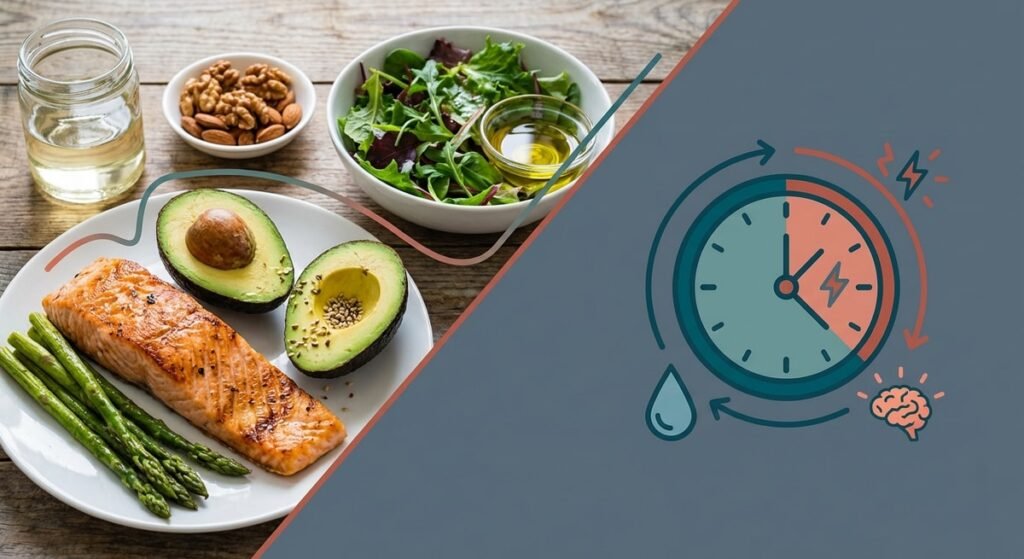
Healthy fats include:
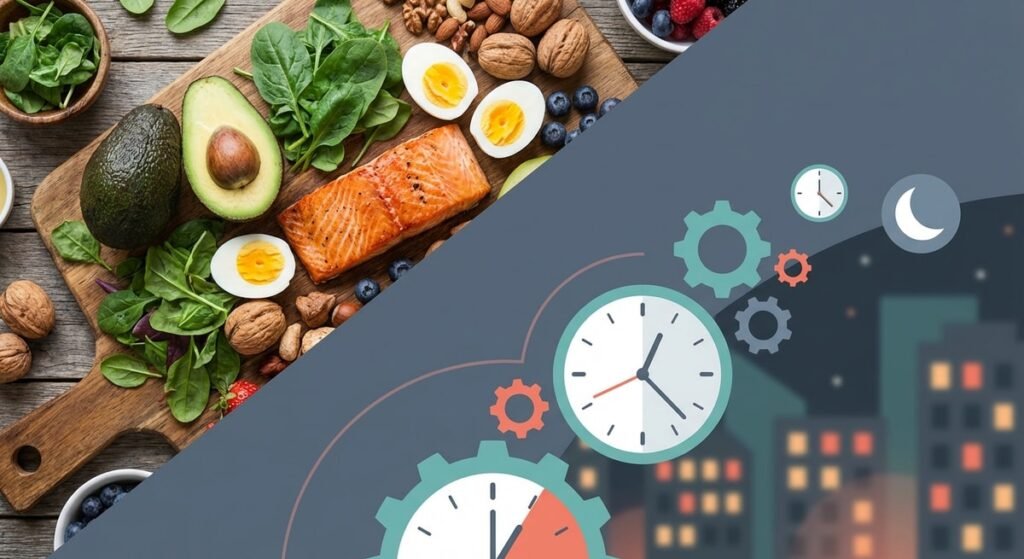
- Avocados
- Nuts and seeds
- Olive oil and coconut oil
- Fatty fish like salmon
Meal timing can be flexible, but many find benefits in:
- Consuming protein and fats around workouts
- Implementing intermittent fasting to enhance fat adaptation and hormone levels
Carbohydrate Cycling and Refeeds for Athletes
What is Cyclic Keto?
Cyclic keto involves planned carbohydrate refeeding days—often 1-2 days weekly—where you increase carbohydrate intake to replenish glycogen stores and support high-intensity workouts.
Designing Carb Refeed Days
- Increase carbs to 100-150 grams, primarily from low-glycemic sources.
- Keep fats moderate to avoid knocking out ketosis entirely.
- Refeeds should be aligned with your training schedule, ideally post-intense workout sessions.
Benefits for Performance and Recovery
- Restores glycogen levels, enhancing strength and endurance.
- Reduces the risk of hormonal drops associated with prolonged ketosis.
- Improves muscle fullness and reduces fatigue.
Training Tips for Muscle Gain on Keto
Optimizing Workout Timing
- Train during or after carb refeed days for increased energy.
- Consider fasted workouts cautiously—some tolerate them well, others may need carbs beforehand.
Supplement Strategies
- Electrolytes: To prevent dehydration and cramping.
- Exogenous ketones: May enhance energy and mental clarity.
- BCAAs or EAAs: Support muscle repair, especially during fasted states.
Monitoring Progress
- Track body composition, strength gains, and energy levels.
- Adjust macros based on progress and feedback.
Potential Challenges and How to Overcome Them
Keto Flu and Adaptation
- Symptoms: fatigue, headaches, irritability.
- Solutions: hydrate well, replenish electrolytes, and give your body time to adapt (2-4 weeks).
Maintaining Energy Levels
- Use MCT oil or exogenous ketones to boost energy.
- Plan carb refeed days strategically.
Avoiding Muscle Loss
- Ensure sufficient protein intake.
- Incorporate resistance training consistently.
- Use carb refeeding to support glycogen and prevent catabolism.
## Keto for Muscle Gain Decision Tree
Start Here: Are you an experienced bodybuilder or athlete with a solid understanding of keto macros?
- Option A: Yes, you are comfortable with keto macros and training at high intensity.
- Consequence: Keto can be tailored to support your muscle-building goals.
- Sub-question: Do you implement carb cycling or refeed days?
- Yes → Proceed with carb cycling strategies.
- No → Consider incorporating refeed days for optimal results.
- Option B: No, you're new to keto or have a moderate training background.
- Consequence: Consider a gradual transition; focus on mastering macro management first.
- Sub-question: Are your training routines high-volume or high-intensity?
- Yes → Keto may require careful planning and supplementation.
- No → Keto might be suitable, but monitor energy levels closely.
## Keto vs. Traditional High-Carb Bodybuilding Diets
| Feature | Keto Diet | High-Carb Diet | Hybrid Approach |
|---|---|---|---|
| Macronutrient Ratio | Fat: 70-80%, Protein: 15-25%, Carbs: 5-10% | Carbs: 50-60%, Protein: 20-25%, Fat: 15-25% | Balanced macros with cyclical carb intake |
| Energy Levels | Stable, fat-based energy; initial adaptation phase | High, readily available glycogen for intense training | Variable, depends on carb timing |
| Recovery Speed | Can be effective with proper protein and electrolyte support | Fast recovery due to glycogen replenishment | Optimized with strategic carb refeeding |
| Muscle Gains | Possible with diligent macro management | Traditional, proven approach | Can be effective with tailored strategies |
| Best For | Fat-adapted athletes, those seeking fat loss + muscle gain | Athletes emphasizing glycogen-dependent performance | Those wanting flexibility and balance |
Methodology/Evaluation Criteria:
- Based on macro ratios, energy stability, recovery metrics, and anecdotal/clinical evidence.
- Adapted for advanced athletes seeking nuanced nutritional strategies.
## Conclusion
Integrating keto into your bodybuilding routine is a strategic process that requires careful macro management, thoughtful carb cycling, and attentive recovery planning. When executed correctly, keto can support muscle growth, enhance energy stability, and improve overall performance—challenging the misconception that carbs are essential for muscle gain.
Start by assessing your experience and training intensity through the decision tree, then tailor your macros and refeeding strategies accordingly. Remember, consistency and monitoring are key to success.
Keto Muscle-Building Preparation Checklist
- Calculate your TDEE and set your macros based on your goals and activity level.
- Plan your protein intake to support muscle repair (~1.6-2.2 g/kg).
- Select high-quality fats from healthy sources for sustained energy.
- Incorporate carb refeed days aligned with your training schedule.
- Optimize your workout timing around refeed days for maximum performance.
- Include supplementation such as electrolytes, BCAAs, or exogenous ketones.
- Monitor your progress regularly, adjusting macros and refeed frequency as needed.
- Address adaptation symptoms with hydration, electrolytes, and patience.
FAQ Section
Q: Can I build muscle while on a ketogenic diet?
A: Yes, with proper protein intake, macro management, and training adjustments, keto can support muscle growth. It requires careful planning to ensure energy and recovery needs are met.
Q: How do I prevent muscle loss on keto?
A: Maintain adequate protein intake, incorporate resistance training, and consider carb refeed days to replenish glycogen without disrupting ketosis significantly.
Q: What are the best foods for keto muscle building?
A: Focus on high-quality fats like avocados, nuts, and olive oil; moderate protein sources such as eggs and lean meats; and low-carb vegetables to support muscle repair and growth.
Q: Is carb cycling necessary for keto bodybuilders?
A: While not mandatory, carb cycling can enhance performance, support glycogen replenishment, and improve muscle fullness if carefully managed.
Q: How long does it take to see results in muscle gain on keto?
A: Results vary, but many notice improvements within 4-8 weeks with consistent training and strict adherence to macros.
Embark on your keto muscle-building journey today—strategy, consistency, and adaptation are your best tools for success!