Introduction
Starting a keto journey can be incredibly rewarding, offering benefits such as weight loss, improved mental clarity, and increased energy. However, many experienced dieters encounter a common hurdle known as keto flu—an uncomfortable set of symptoms that can hinder progress and dampen motivation. For those already familiar with the keto diet, managing these symptoms effectively is crucial to optimize performance, sustain adherence, and deepen understanding of advanced strategies like cyclical ketogenic dieting.
This article compares expert-level strategies for managing keto flu symptoms within a cyclical ketogenic diet framework. By understanding the nuances of each approach, you can choose the most effective methods to reduce discomfort, accelerate adaptation, and enhance your low-carb lifestyle. Armed with comprehensive insights and actionable tools, you'll be better equipped to navigate the initial transition and long-term keto success.
Main Sections
1. Understanding Keto Flu and Its Impact
What is keto flu?
Keto flu is a collection of symptoms that typically occur during the early phase of transitioning into ketosis. It results from your body adapting from burning glucose to burning fat for fuel, which involves metabolic, hormonal, and electrolyte shifts.
Common symptoms and causes
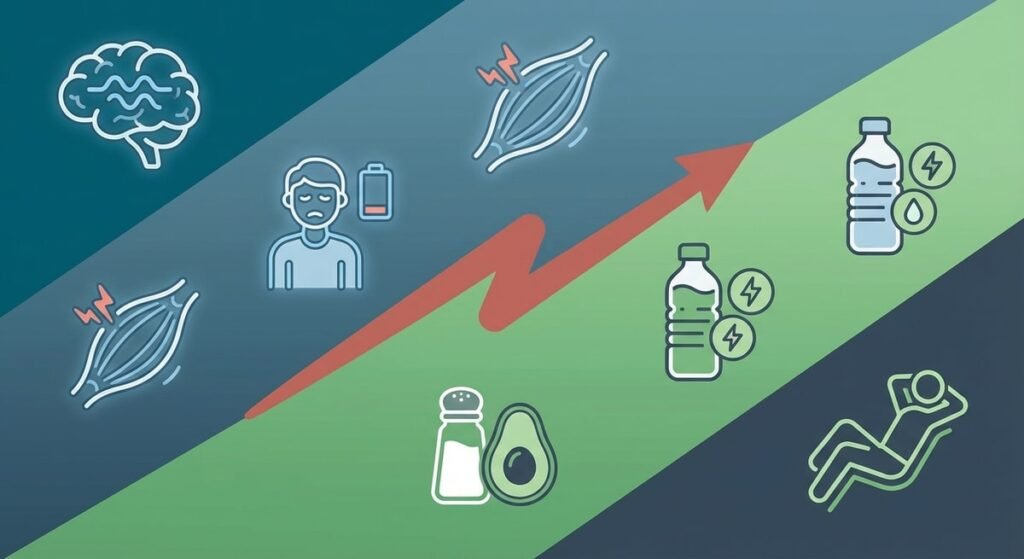
Symptoms include fatigue, headaches, irritability, muscle cramps, constipation, and brain fog. Causes are multifactorial but primarily involve electrolyte imbalances, dehydration, and insufficient nutrient intake during the adaptation phase.
Why management is crucial
Unmanaged keto flu can lead to early diet termination, decreased performance, and frustration. Effective management ensures smoother transition, sustained motivation, and the ability to maximize the benefits of a ketogenic lifestyle.
2. Expert Strategies for Managing Keto Flu Symptoms
Electrolyte balance
Maintaining proper levels of sodium, potassium, magnesium, and calcium is vital. Supplementation with electrolyte powders or foods rich in these minerals can prevent cramps and fatigue.
Nutritional adjustments
Gradually reducing carbs instead of abrupt elimination helps lessen severity. Incorporating nutrient-dense, low-carb vegetables and ensuring sufficient fat intake supports energy levels.
Lifestyle modifications
Adequate hydration, consistent sleep, stress management, and gentle exercise can promote faster adaptation and symptom alleviation.
3. Comparison of Relief Methods
In this section, we compare various keto flu mitigation strategies based on effectiveness, ease of implementation, and potential side effects.
Keto Flu Relief Methods Comparison
| Feature | Electrolyte Supplementation | Dietary Adjustments | Hydration Strategies |
|---|---|---|---|
| Effectiveness | High, especially for cramps/headaches | Moderate to high | High, prevents dehydration |
| Ease of Implementation | Moderate — requires purchasing or preparing supplements | Easy — simple dietary changes | Very easy — consistent water intake |
| Potential Side Effects | Excessive intake may cause imbalance | Minimal | Overhydration possible, leading to hyponatremia |
| Cost | Moderate | Low | Low |
| Best For | Cramping, headaches, fatigue | Overall symptom reduction | Preventing dehydration-related symptoms |
4. Implementing a Cyclical Ketogenic Diet for Performance
Benefits of CKD
Cyclical ketogenic dieting involves scheduled refeeding days to replenish glycogen stores, improve hormonal balance, and reduce keto flu severity. It enhances athletic performance and sustainability, especially for high-intensity training.
Sample cycle schedule
- 5 days of strict keto
- 1-2 days of higher carb intake (refeeding)
- Adjust based on activity levels and goals
Monitoring and adjustments
Track symptoms, energy levels, and performance metrics. Adjust carb cycling frequency and quantity to optimize adaptation and avoid excessive carb intake.
5. Expert Tips for Long-term Success
- Tracking your progress with apps or journals helps identify patterns and optimize strategies.
- Adjusting macros based on activity and progress ensures nutritional adequacy.
- Seeking professional guidance from a healthcare provider or keto specialist can personalize your approach and address persistent issues.
How We Chose
Evaluation Criteria
To compare keto flu relief methods effectively, we considered:
- Effectiveness: How well each method alleviates common symptoms.
- Ease of implementation: Simplicity and practicality for daily use.
- Speed of relief: How quickly symptoms are reduced.
- Safety: Potential side effects or risks.
- Cost: Affordability and accessibility.
- Long-term sustainability: Compatibility with ongoing keto lifestyle goals.
Our analysis prioritizes evidence-based practices, user testimonials, and expert consensus to provide balanced, actionable recommendations.
Keto Flu Management Decision Tree
Start Here: Are you experiencing severe keto flu symptoms such as intense headaches, cramps, or fatigue?
-
Yes → Focus on electrolyte supplementation and hydration.
- Sub-question? Are symptoms persistent after 2-3 days?
- Yes → Increase electrolyte intake and consider mild carbohydrate refeeding.
- No → Continue current management and monitor.
- Sub-question? Are symptoms persistent after 2-3 days?
-
No → Maintain hydration and balanced diet; symptoms may resolve naturally.
-
Option B: Are you feeling manageable symptoms like mild fatigue or brain fog?
- Sub-question? Do symptoms improve with dietary adjustments?
- Yes → Continue gradual carb reduction and nutrient-dense foods.
- No → Incorporate electrolyte support and hydration strategies.
- Sub-question? Do symptoms improve with dietary adjustments?
Keto Flu Management Action Checklist
- Assess symptoms and severity to tailor your approach.
- Increase electrolyte intake via supplements or foods (e.g., salted broth, avocado, nuts).
- Stay well-hydrated with water, herbal teas, and electrolyte drinks.
- Gradually reduce carbs instead of abrupt elimination to lessen shock.
- Incorporate magnesium and potassium supplements if cramps or fatigue persist.
- Prioritize sleep and stress reduction techniques.
- Adjust fat intake to ensure sufficient energy and satiety.
- Implement cyclical refeeding if engaging in CKD to replenish glycogen.
- Track symptoms and progress regularly to fine-tune your approach.
Conclusion
Managing keto flu symptoms effectively requires a nuanced understanding of your body's responses and the strategic application of multiple approaches. Combining electrolyte management, dietary adjustments, hydration, and, if appropriate, cyclical ketogenic dieting can significantly reduce discomfort and accelerate your adaptation process. Remember, long-term success depends on personalized strategies, ongoing monitoring, and professional guidance when needed.
Start implementing these expert strategies today to enjoy a smoother keto transition, sustain your performance, and unlock the full potential of your low-carb lifestyle. If symptoms persist, consult with a healthcare professional to customize your plan.
FAQ Section
Q: What are the main symptoms of keto flu?
A: Common keto flu symptoms include fatigue, headaches, irritability, muscle cramps, and digestive issues. These typically occur during the initial phase of carbohydrate restriction.
Q: How long does keto flu usually last?
A: Keto flu symptoms generally last from a few days up to two weeks, depending on individual adaptation and management strategies employed.
Q: Can electrolytes help reduce keto flu symptoms?
A: Yes, maintaining proper electrolyte levels with supplements or electrolyte-rich foods can significantly reduce symptoms like cramps and fatigue.
Q: Is it better to gradually reduce carbs or go cold turkey?
A: Gradually reducing carbs can lessen the severity of keto flu, but some experienced keto dieters prefer a faster transition. Personal preference and tolerance should guide the approach.
Q: How does cyclical keto help with keto flu and performance?
A: Cyclical keto involves scheduled refeeding days that replenish glycogen stores, reduce keto flu symptoms, and enhance athletic performance, making the diet more sustainable.
This article contains affiliate links and expert advice. Please consult with a healthcare professional before making significant dietary changes.