Introduction
Struggling with autoimmune flare-ups? Discover how a tailored keto diet might help. Many individuals with autoimmune diseases such as Hashimoto's, rheumatoid arthritis, or Crohn's disease seek ways to reduce inflammation, improve energy levels, and manage symptoms through diet. The ketogenic, low-carb approach has gained attention for its potential anti-inflammatory benefits and metabolic support.
This comprehensive guide explores how adopting a keto lifestyle can support autoimmune health, backed by scientific insights, practical strategies, and safety considerations. Whether you're a beginner or have some keto experience, understanding how to customize your diet for autoimmune conditions can empower you to make informed choices that may enhance your quality of life.
Should You Try Keto for Autoimmune Conditions?
Start Here: Do you experience frequent inflammation, fatigue, or flare-ups that impact your daily life?
| Yes | Proceed to evaluate your readiness with a healthcare provider to tailor a safe keto plan. |
|---|---|
| No | Consider exploring other lifestyle factors affecting your autoimmune health, but consult your healthcare provider before making dietary changes. |
Additional questions:
-
Do you have stable medical management and no contraindications to a low-carb diet?
- Yes → You may consider trying a guided keto approach with medical supervision.
- No → Consult your healthcare provider before starting.
-
Are you motivated to incorporate dietary changes and monitor your symptoms?
- Yes → Proceed with a structured plan and professional guidance.
- No → Focus on other supportive lifestyle strategies first.
Understanding Autoimmune Conditions and the Role of Diet
What Are Autoimmune Diseases?
Autoimmune diseases occur when the immune system mistakenly attacks the body's own tissues, leading to chronic inflammation and tissue damage. Common conditions include Hashimoto's thyroiditis, rheumatoid arthritis, Crohn's disease, and multiple sclerosis. Symptoms vary but often include fatigue, joint pain, digestive issues, and skin problems.
Inflammation and Autoimmunity
Chronic inflammation is a hallmark of autoimmune conditions, contributing to tissue damage and symptom severity. Managing inflammation is crucial for improving quality of life and preventing disease progression.
The Impact of Diet on Autoimmune Health
Diet influences immune function and inflammation. Certain foods can trigger flare-ups, while others may help modulate immune responses. An anti-inflammatory diet rich in whole, nutrient-dense foods has been associated with symptom relief. The ketogenic diet, characterized by high fat, moderate protein, and low carbohydrate intake, has shown promise in reducing inflammation and supporting metabolic health.
The Science Behind Keto and Autoimmune Support
How Keto Modulates Inflammation
Keto shifts metabolism from glucose to fat-derived ketones, which have been shown to possess anti-inflammatory properties. Reduced carbohydrate intake decreases blood sugar spikes and insulin levels, both linked to inflammation. This metabolic state can help calm immune overactivity in autoimmune conditions.
Ketones as Anti-Inflammatory Agents
Ketone bodies, especially beta-hydroxybutyrate, can inhibit inflammatory pathways like NLRP3 inflammasome activation, reducing cytokine production and inflammation. This effect may translate into fewer flare-ups and symptom severity.
Research Evidence and Clinical Insights
Emerging studies suggest that ketogenic diets may benefit autoimmune conditions:
- Rheumatoid arthritis: Small trials indicate reduced joint pain and inflammation.
- Multiple sclerosis: Animal studies show neuroprotective effects.
- Hashimoto's thyroiditis: Anecdotal reports suggest symptom improvement with dietary adjustments, though more research is needed.
While promising, large-scale clinical trials are limited, and individual responses vary. Always consult your healthcare provider before adopting keto for autoimmune health.
Implementing a Safe Autoimmune-Friendly Keto Diet
Foods to Focus On
A nutrient-dense, anti-inflammatory keto diet emphasizes:
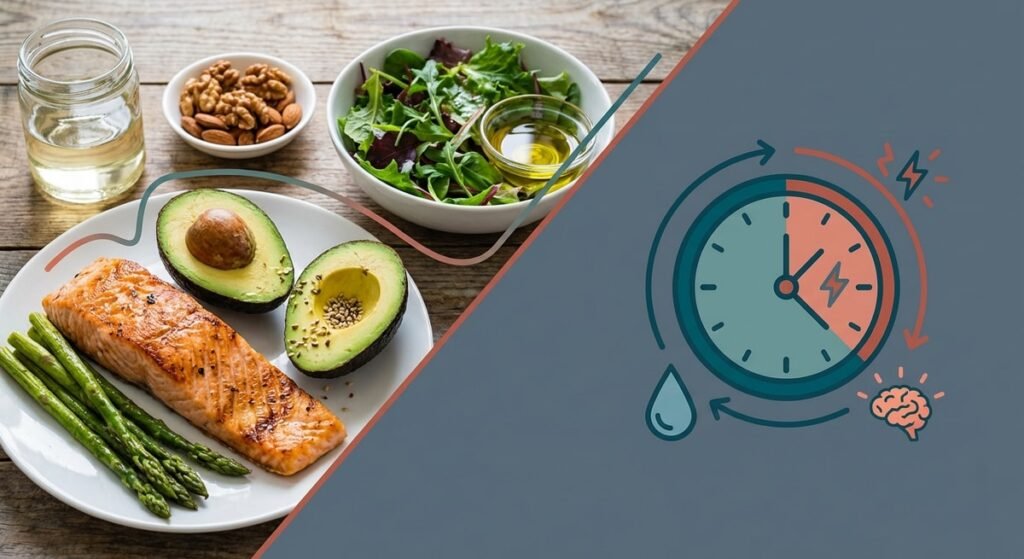
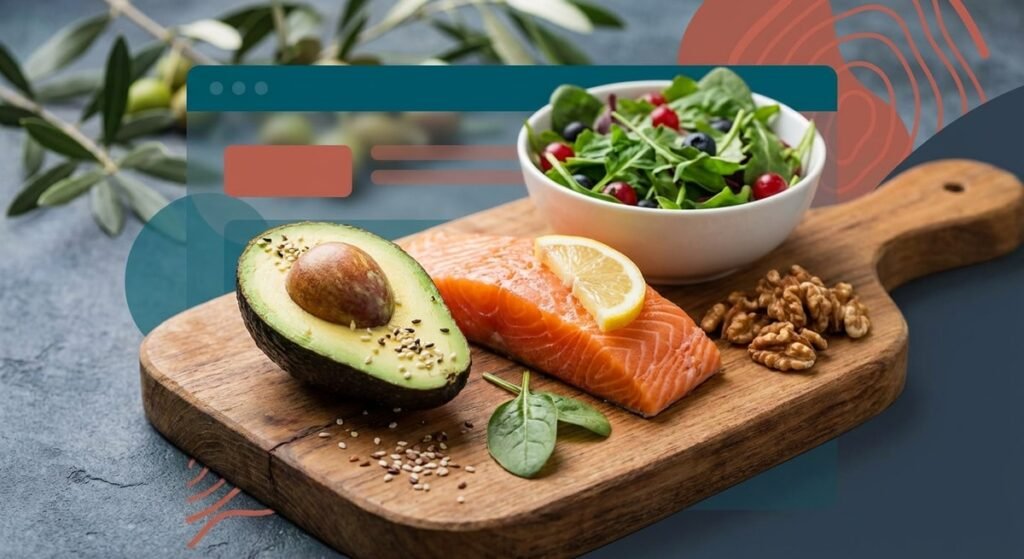
- Healthy fats: Avocado, olive oil, coconut oil, nuts, and seeds.
- Low-carb vegetables: Leafy greens, cruciferous vegetables, zucchini, peppers.
- Moderate protein: Grass-fed meats, fatty fish (salmon, mackerel), eggs.
- Fermented foods: Sauerkraut, kimchi, kefir (if tolerated) for gut health.
- Herbs and spices: Turmeric, ginger, garlic for their anti-inflammatory properties.
Foods to Avoid
To minimize triggers and inflammation:
- Gluten-containing grains (wheat, barley, rye)
- Processed foods and snacks
- Refined sugars and artificial sweeteners
- Dairy products if sensitive
- Nightshade vegetables (tomatoes, peppers, eggplants) if they exacerbate symptoms
- Trans fats and hydrogenated oils
Sample Meal Plans
Breakfast: Scrambled eggs with spinach and avocado, drizzled with olive oil
Lunch: Grilled salmon with steamed broccoli and cauliflower rice
Dinner: Grass-fed beef stir-fry with assorted low-carb vegetables and turmeric
Snacks: Nuts, seeds, or homemade keto-friendly energy bites
Potential Risks and Precautions
Consulting Healthcare Providers
Before beginning a keto diet, especially with autoimmune conditions, consult your healthcare provider to:
- Review medications and potential interactions
- Establish baseline health markers
- Develop a personalized plan
Monitoring Symptoms
Track your symptoms, energy levels, and any flare-ups closely. Adjust your diet as needed and communicate with your healthcare team.
Adjusting the Diet
Autoimmune conditions are individual; some may tolerate certain foods better than others. Consider an elimination or reintroduction phase to identify personal triggers.
Additional Lifestyle Strategies to Support Autoimmune Health
Stress Management
Chronic stress exacerbates inflammation. Incorporate mindfulness, meditation, yoga, or deep-breathing exercises into your routine.
Sleep Optimization
Aim for 7-9 hours of quality sleep to support immune regulation and recovery.
Supplement Considerations
Supplements like omega-3 fatty acids, vitamin D, magnesium, and probiotics may complement dietary efforts. Always consult your healthcare provider before starting new supplements.
Autoimmune-Friendly Keto Food List
| Safe & Beneficial Foods | Neutral Foods | Foods to Avoid | Special Considerations |
|---|---|---|---|
| Avocado, olive oil, coconut oil | Berries (in moderation) | Gluten, refined sugars | Adjust portions based on individual response |
| Leafy greens, broccoli, cauliflower | Nuts and seeds (unsweetened) | Processed foods, artificial sweeteners | Test tolerance for nightshades if sensitive |
| Grass-fed meats, fatty fish, eggs | Fermented foods (sauerkraut, kimchi) | Dairy (if sensitive), processed snacks | Focus on anti-inflammatory herbs |
| Turmeric, ginger, garlic | Herbal teas | Trans fats, hydrogenated oils | Incorporate in meals or teas |
Starting Your Autoimmune Keto Journey
- Consult your healthcare provider: Discuss your intention to start keto, review medications, and set health goals.
- Get baseline labs: Check inflammatory markers, vitamin D levels, thyroid function, etc.
- Gradually reduce carb intake: Transition slowly to minimize symptoms and allow your body to adapt.
- Eliminate common triggers: Remove gluten, processed foods, and refined sugars.
- Stock up on autoimmune-friendly foods: Prepare meal ingredients that align with your plan.
- Plan your meals: Develop simple, nutritious recipes to ensure variety and balance.
- Monitor symptoms and energy levels: Keep a journal for tracking changes and identifying triggers.
- Adjust as needed: Work with your healthcare provider to modify your diet based on your response.
Conclusion
Adopting a tailored keto diet offers a promising avenue to support autoimmune health by reducing inflammation, improving metabolic function, and potentially alleviating symptoms. However, individual responses vary, and personalized guidance from healthcare professionals is essential to ensure safety and efficacy. Start gradually, monitor your health closely, and incorporate other supportive lifestyle strategies for best results.
Consult your healthcare provider today to determine if a keto approach aligns with your autoimmune management plan, and begin your journey toward better health with informed, mindful dietary choices.
FAQ Section
Q: Can keto cure autoimmune diseases?
A: Keto is not a cure for autoimmune diseases but may help manage symptoms by reducing inflammation and supporting immune regulation. Always consult your doctor for comprehensive treatment plans.
Q: Is it safe to start keto if I have an autoimmune condition?
A: Safety depends on individual health status. It’s important to discuss any major dietary changes with your healthcare provider, especially if you are on medication or have other health concerns.
Q: What foods should I avoid on an autoimmune-friendly keto diet?
A: Avoid gluten, processed foods, refined sugars, and dairy if sensitive, as these can trigger inflammation or flare-ups. Focus on whole, anti-inflammatory foods instead.
Q: How long should I follow a keto diet for autoimmune health?
A: Duration varies based on individual response. Some start with 3-6 months, with ongoing assessment and adjustments under medical supervision.
Q: Are there supplements that support keto and autoimmune health?
A: Yes, omega-3 fatty acids, vitamin D, and magnesium are commonly recommended to support immune balance. Always consult your healthcare provider before starting new supplements.
Disclaimer: This article is for informational purposes only and does not substitute professional medical advice. Always consult your healthcare provider before making significant dietary or lifestyle changes, especially with autoimmune conditions.