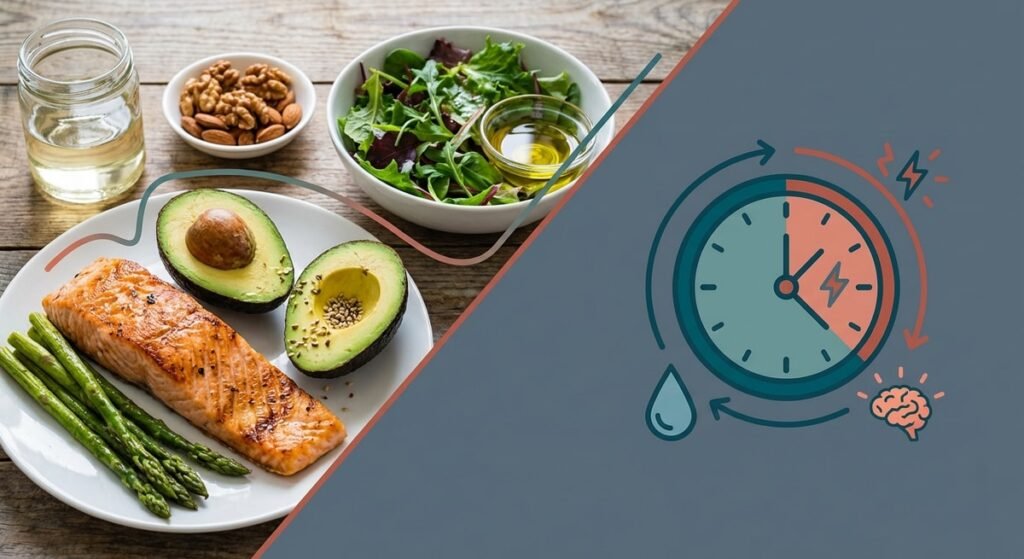

Introduction
Working unconventional hours—whether night shifts, rotating schedules, or irregular shifts—can make maintaining a healthy, consistent diet a significant challenge. For those interested in the keto lifestyle, the hurdles multiply, often leading to difficulty in sticking to macros, planning meals, and managing energy levels.
But rest assured: with tailored strategies, shift workers can successfully incorporate keto into their routines, reaping benefits like improved energy, better weight management, and support for autoimmune health. This comprehensive guide provides actionable advice, meal prep tips, and expert insights to help you navigate keto on a busy, unpredictable schedule.
By understanding your unique challenges and applying practical solutions, you can stay in ketosis and optimize your health despite the demands of shift work.
Understanding Keto and Shift Work Challenges
Unique Obstacles Faced by Shift Workers
Shift workers often encounter specific challenges that can hinder keto adherence:
- Irregular Meal Times: Unpredictable schedules can disrupt consistent eating windows, making it hard to maintain ketosis.
- Limited Food Options During Night Shifts: Access to keto-friendly meals may be restricted, especially if workplaces lack suitable cafeteria options.
- Sleep Disruptions: Sleep deprivation and irregular sleep patterns can affect metabolism and hunger hormones, potentially leading to carb cravings.
- Energy Fluctuations: Lack of natural light and irregular hours can cause fatigue, influencing food choices and adherence.
The Science Behind Keto and Circadian Rhythms
Our bodies operate on circadian rhythms—biological clocks synchronized with the light-dark cycle. Disruption of these rhythms, common in shift work, can impair metabolism and hormone regulation, making ketosis harder to achieve.
Interestingly, aligning meal timing with your circadian rhythms (eating during daylight hours when possible) can improve metabolic health. While challenging for shift workers, strategic timing can still optimize ketosis and energy.
Why Timing and Routine Matter
Consistency in meal timing and routine supports stable blood sugar levels and ketosis. Even with irregular hours, establishing a predictable pattern—such as regular snack times or meal windows—can help your body adapt and maintain metabolic flexibility.
Practical Strategies for Keto Success on Shift Schedules
Meal Planning and Prep
- Batch Cooking: Prepare large quantities of keto-friendly meals ahead of time to reduce daily prep stress.
- Portable Snacks: Stock up on easy-to-carry options like nuts, cheese, boiled eggs, and keto bars.
- Flexible Recipes: Choose recipes that can be eaten hot or cold, accommodating varying work conditions.
Timing Your Meals
- Align with Your Work Schedule: Try to eat a substantial meal before your shift begins and a light, keto-friendly snack during breaks.
- Use Intermittent Fasting (IF): If feasible, implement IF windows that suit your schedule to enhance ketosis.
- Avoid Long Fasts During Night Shifts: Extended fasting may lead to fatigue; instead, opt for smaller, regular keto meals or snacks.
Managing Sleep and Energy
- Prioritize Sleep Hygiene: Use blackout curtains, white noise machines, and avoid screens before rest.
- Use Light Strategically: Exposure to bright light during your shift can help regulate your circadian clock.
- Supplements: Consider magnesium or melatonin (after consulting a healthcare professional) to support sleep quality.
Keto-Friendly Foods and Supplements for Shift Workers
Essential Keto Foods
| Food Item | Macronutrient Profile (per 100g) | Suitability for Shift Work | Notes |
|---|---|---|---|
| Avocado | Fat: 15g, Carbs: 9g, Protein: 2g | Highly suitable | Rich in monounsaturated fats, versatile |
| Eggs | Fat: 11g, Carbs: 1g, Protein: 13g | Highly suitable | Protein-rich, easy to prepare |
| Fatty Fish (salmon) | Fat: 13g, Carbs: 0g, Protein: 20g | Highly suitable | Omega-3s support inflammation and health |
| Cheese (cheddar, mozzarella) | Fat: 33g, Carbs: 1g, Protein: 25g | Suitable | Portable, high in fat and protein |
| Nuts & Seeds | Fat: varies, Carbs: varies, Protein: varies | Suitable but watch portions | Opt for macadamia, pecans, or chia seeds |
| Olives & Pickles | Fat: 10-15g, Carbs: 2g, Protein: 1g | Suitable | Great for quick snacks |
| Low-carb vegetables | e.g., spinach, zucchini, broccoli | Suitable | Fill your plate with greens and fibrous veggies |
Recommended Supplements
- Electrolytes: Magnesium, potassium, and sodium to prevent imbalances.
- MCT Oil: For quick energy and ketone support, especially during long shifts.
- Omega-3s: To support inflammation and overall health.
- Vitamin D: Especially if exposure to natural light is limited.
Avoiding Common Pitfalls
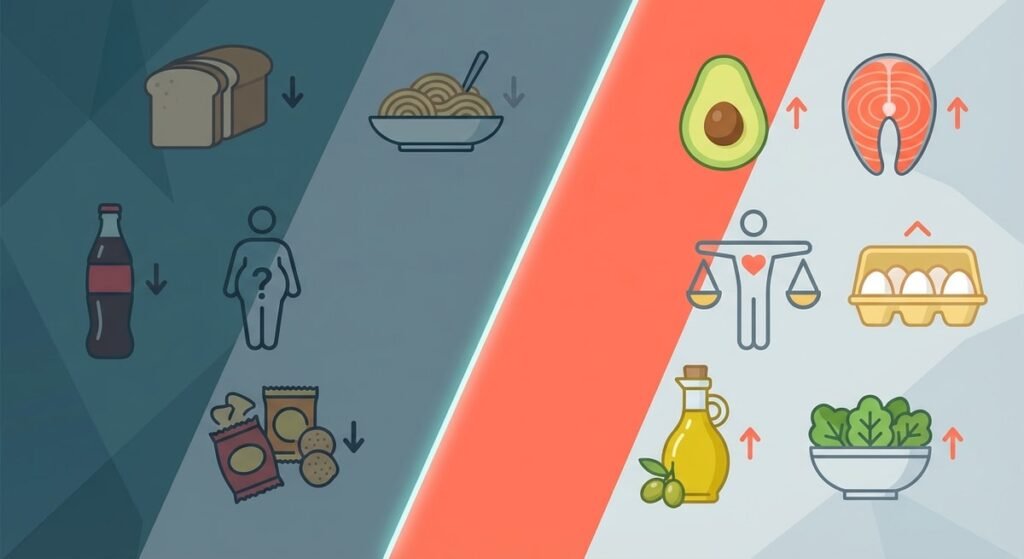
- Processed Keto Snacks: Many contain hidden carbs or unhealthy ingredients.
- Sugary Drinks & Snacks: Can quickly knock you out of ketosis.
- High-carb Meals on the Go: Fast food or vending machine options often contain hidden sugars and grains.
Decision Tree: Keto for Shift Workers
Keto for Shift Workers Decision Tree
Start Here: Are you ready to commit to a keto lifestyle despite your irregular schedule?
- Yes → Proceed to assess your resources and schedule
- No → Consider gradual adjustments or consult a health professional
Option A: Do you have access to keto-friendly foods and meal prep resources?
- Yes → Develop a meal plan and prep schedule
- Sub-question: Can you maintain a consistent eating window?
- Yes → Stick to your plan, monitor macros
- No → Use portable snacks and flexible recipes
- Sub-question: Can you maintain a consistent eating window?
- No → Focus on building a stock of shelf-stable keto snacks and explore local options
Option B: Are you willing to adjust your sleep and light exposure?
- Yes → Implement sleep hygiene and strategic light exposure
- Sub-question: Can you establish some routine despite shift times?
- Yes → Emphasize routine and meal timing
- No → Focus on flexible, adaptive keto strategies
- Sub-question: Can you establish some routine despite shift times?
- No → Seek professional advice for managing circadian disruption
Keto Meal Prep and Daily Routine Checklist for Shift Workers
- Plan your meals weekly: Include variety and prep ingredients in advance.
- Cook in bulk: Prepare keto-friendly meals for multiple shifts to save time.
- Pack portable snacks: Nuts, cheese, boiled eggs, or keto bars.
- Schedule meal times: Align with your shift schedule, e.g., before shift start and during breaks.
- Set sleep routines: Use blackout curtains and avoid screens before sleep.
- Use light therapy: Expose yourself to bright light during work hours.
- Track macros daily: Use an app to ensure you stay within keto parameters.
- Stay hydrated: Drink plenty of water, supplement electrolytes as needed.
- Adjust as needed: Monitor your energy, sleep, and autoimmune symptoms, and tweak your plan accordingly.
Structured Table: Keto-Friendly Foods for Shift Workers
| Food Item | Macronutrient Profile (per 100g) | Suitability for Shift Work | Notes |
|---|---|---|---|
| Avocado | Fat: 15g, Carbs: 9g, Protein: 2g | Highly suitable | Rich in monounsaturated fats, versatile |
| Eggs | Fat: 11g, Carbs: 1g, Protein: 13g | Highly suitable | Protein-rich, easy to prepare |
| Fatty Fish (salmon) | Fat: 13g, Carbs: 0g, Protein: 20g | Highly suitable | Omega-3s support inflammation and health |
| Cheese (cheddar, mozzarella) | Fat: 33g, Carbs: 1g, Protein: 25g | Suitable | Portable, high in fat and protein |
| Nuts & Seeds | Fat: varies, Carbs: varies, Protein: varies | Suitable but watch portions | Opt for macadamia, pecans, or chia seeds |
| Olives & Pickles | Fat: 10-15g, Carbs: 2g, Protein: 1g | Suitable | Great for quick snacks |
| Low-carb vegetables | e.g., spinach, zucchini, broccoli | Suitable | Fill your plate with greens and fibrous veggies |
Conclusion
Shift workers face unique hurdles in maintaining a keto lifestyle—irregular hours, limited food options, and disrupted sleep patterns. However, with intentional planning, meal prep, and strategic timing, it’s entirely possible to stay in ketosis, boost energy, and support autoimmune health.
Start by assessing your resources with our decision tree, prepare your keto-friendly meals using our checklist, and stay adaptable as your schedule evolves. Monitoring your body's responses and making gradual adjustments will set you on a successful path toward improved health and vitality.
Take control of your keto journey today—your energy and autoimmune health will thank you.
FAQ Section
Q: Can shift workers maintain ketosis with irregular hours?
A: Yes, with proper meal planning, strategic timing, and consistent macro tracking, shift workers can successfully stay in ketosis despite irregular schedules.
Q: What are the best keto-friendly snacks for night shifts?
A: Good options include nuts, cheese, hard-boiled eggs, olives, and keto-approved protein bars or jerky, which are portable and low in carbs.
Q: How can I manage sleep disruptions while on keto?
A: Prioritize sleep hygiene with blackout curtains, use light therapy during shifts, and consider magnesium or melatonin supplements (after consulting a healthcare professional).
Q: Are there specific foods I should avoid on keto for shift work?
A: Avoid high-carb processed foods, sugary drinks, and snacks that can cause blood sugar spikes and disrupt ketosis, especially during long shifts.
Q: How does keto support autoimmune conditions for shift workers?
A: Keto can reduce inflammation and support immune regulation, which may help manage autoimmune symptoms, though responses vary and medical advice is recommended.
Note: Always consult with a healthcare professional before making significant dietary or lifestyle changes, especially if managing autoimmune conditions or other health issues.