
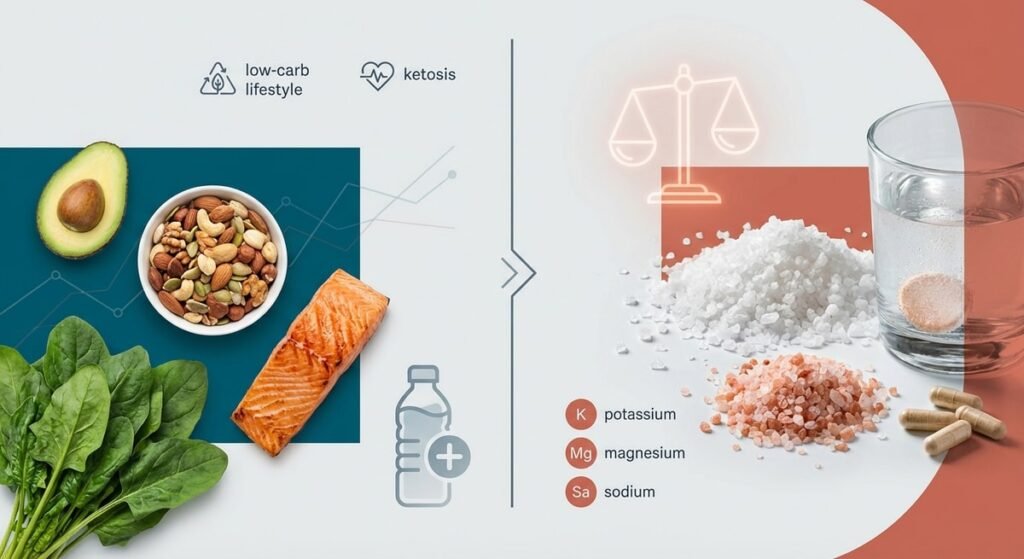
Introduction
Struggling with muscle cramps, fatigue, brain fog, or dizziness on your keto journey? These common symptoms often point to an electrolyte imbalance. When carbohydrate intake drops, your body's mineral and hydration status can become disrupted, impacting your performance, recovery, and overall well-being.
This comprehensive deep dive compares various electrolyte management strategies—including dietary sources, supplements, hydration techniques, and monitoring tools—tailored specifically for keto enthusiasts seeking to optimize their mineral balance. Whether you're an intermediate or advanced keto practitioner, understanding how to refine your approach can help prevent keto flu, enhance physical performance, and support sustained ketosis.
Our goal is to empower you with evidence-based insights and practical recommendations so you can tailor your electrolyte routine for maximum results. Let’s explore how to maintain a balanced electrolyte profile that keeps you energized, focused, and symptom-free.
Understanding Electrolytes in the Keto Context
Role of Electrolytes
Electrolytes are minerals that carry an electric charge vital for numerous physiological functions:
- Nerve impulse transmission
- Muscle contraction
- Fluid balance and hydration
- Blood pressure regulation
Key electrolytes include sodium, potassium, magnesium, and calcium. Maintaining proper levels ensures smooth cellular operations and systemic health.
Common Imbalances
On a keto diet, shifts in insulin levels cause your kidneys to excrete more electrolytes, especially sodium and potassium, risking deficiencies. This imbalance is often responsible for keto flu symptoms, including:
- Muscle cramps
- Fatigue
- Brain fog
- Dizziness
Why Keto Affects Electrolyte Levels
Reduced carbohydrate intake decreases insulin levels, prompting increased renal excretion of electrolytes. Additionally, the diuretic effect of ketosis accelerates fluid loss, further depleting minerals. Without deliberate management, these shifts can undermine your keto adherence and performance.
Dietary Sources vs. Supplements: Pros and Cons
Natural Food Sources
| Feature | Pros | Cons |
|---|---|---|
| Leafy greens (spinach, kale) | Rich in magnesium, potassium | Requires consistent intake; limited in sodium |
| Avocados | Excellent potassium source; healthy fats | Higher cost; calorie-dense |
| Nuts and seeds | Magnesium and trace minerals | Potential for overconsumption; anti-nutrients |
| Salted meats | Sodium, minimal carbs | Sodium overload risk if not balanced |
| Mineral water | Hydration + minerals | Not always accessible; variable mineral content |
Advantages: Whole foods provide a natural, balanced mineral profile without added chemicals. They also support overall health and nutrient diversity.
Limitations: It can be challenging to meet electrolyte needs solely through diet, especially during intense activity or hot weather, necessitating supplements.
Popular Supplements
| Feature | Pros | Cons |
|---|---|---|
| Electrolyte powders/tablets | Convenient; customizable doses | Potential additives or sugars; overuse risks |
| Magnesium capsules | Supports sleep, muscle function | May cause laxative effect if overdosed |
| Salt tablets | Easy sodium boost | Risk of excessive intake if not monitored |
| Calcium supplements | Bone health | Over-supplementation concerns |
Advantages: Targeted correction of deficiencies, especially during high activity, hot climates, or if dietary intake is insufficient.
Limitations: Supplements can cause imbalances if misused. Always follow dosage recommendations and consider consulting a healthcare provider.
When to Consider Supplements
Supplements are advisable if:
- You experience persistent cramps, fatigue, or brain fog despite dietary efforts.
- You're engaging in intense exercise or sweating heavily.
- You're in a hot climate or during high physical stress.
- You’ve been on keto for an extended period without addressing electrolyte needs.
Strategies for Effective Electrolyte Management
Hydration Techniques
- Drink mineral-rich water or add Himalayan salt to water.
- Incorporate electrolyte drinks during prolonged workouts or hot days.
- Balance water intake to avoid hyponatremia (overhydration).
Salt Intake Adjustment
- Aim for 1-3 teaspoons of salt daily, adjusting based on activity level and symptoms.
- Use sea salt or Himalayan salt for mineral diversity.
- Incorporate salted foods like broths, pickles, or salted meats.
Supplement Timing
- Take magnesium in the evening to support sleep.
- Use electrolytes during or after exercise to replenish losses.
- Spread out supplement doses to optimize absorption and minimize side effects.
Monitoring and Troubleshooting
Signs of Imbalance
- Muscle cramps or twitching
- Dizziness or lightheadedness
- Brain fog or confusion
- Heart palpitations
- Constipation or diarrhea
Tracking Your Electrolytes
- Maintain a symptom journal.
- Use blood tests for precise measurement if necessary.
- Adjust intake based on activity, climate, and symptoms.
When to Seek Medical Advice
- Symptoms persist despite adjustments
- You experience irregular heartbeat or severe dizziness
- You suspect hyponatremia, hyperkalemia, or other serious imbalances
Advanced Tips for Keto Electrolyte Optimization
Personalized Electrolyte Plans
- Tailor intake based on activity, climate, body size, and individual response.
- Use trial and error to find your optimal balance.
Incorporating Trace Minerals
- Consider adding trace mineral drops or electrolyte blends containing zinc, selenium, and other essential minerals.
Avoiding Common Pitfalls
- Over-supplementing sodium or magnesium
- Relying solely on supplements without dietary sources
- Ignoring signs of imbalance or dehydration
How We Chose: Our Methodology
In creating this comparison, we evaluated each electrolyte management strategy based on:
- Efficacy in correcting deficiencies
- Safety and risk of overuse
- Ease of implementation and convenience
- Compatibility with keto lifestyle principles
- Cost and accessibility
- User experience and feedback
Our goal was to provide a balanced, evidence-based overview that helps keto practitioners make informed decisions.
Electrolyte Management Comparison Table
| Feature | Option 1 | Option 2 | Option 3 |
|---|---|---|---|
| Natural Food Sources | Rich in magnesium, potassium; supports overall health | Requires consistent intake; may be insufficient alone | Best for ongoing maintenance |
| Supplements | Targeted correction; convenient | Risk of overuse; additives possible | Useful during high activity or deficiency symptoms |
| Hydration Techniques | Supports overall hydration; easy to implement | Needs discipline; may be insufficient alone | Ideal when combined with dietary sources |
| Salt Intake Adjustment | Simple; adjustable based on symptoms | Over-reliance can lead to sodium overload | Critical for sodium balance |
| Trace Mineral Additives | Provides broad mineral spectrum | Cost and availability considerations | For advanced optimization |
| Best For | General maintenance and nutrient diversity | Correcting deficiencies; active lifestyles | During intense activity or mineral depletion |
Conclusion
Effective electrolyte management is a cornerstone of keto success, directly impacting your energy, recovery, and symptom control. By understanding the roles of dietary sources, supplements, and hydration strategies—and tailoring your approach—you can prevent common issues like cramps, fatigue, and brain fog.
Remember, no one-size-fits-all solution exists. Regular monitoring, personalized adjustments, and awareness of your body's signals are key to maintaining a balanced electrolyte profile on keto.
Review your current routine today, implement these strategies, and enjoy a more energized, symptom-free keto experience.
Electrolyte Optimization Action Checklist
- Assess your current diet: Are you consuming enough leafy greens, avocados, nuts, and salted meats to support electrolyte needs?
- Adjust salt intake: Aim for 1-3 teaspoons daily, based on activity and symptoms.
- Incorporate hydration techniques: Use mineral water or add salt to plain water; try electrolyte drinks during workouts.
- Monitor symptoms: Keep track of cramps, dizziness, brain fog, or constipation.
- Consider supplements: Use targeted electrolyte supplements if dietary intake isn't sufficient, especially during intense activity.
- Schedule regular checks: Blood tests for magnesium, potassium, and sodium if symptoms persist.
- Refine supplement timing: Take magnesium in the evening; use sodium during or after exercise.
- Seek medical advice: If symptoms worsen or are severe, consult a healthcare professional.
Should You Try Electrolyte Supplements?
Start Here: Do you experience persistent muscle cramps, dizziness, or brain fog despite dietary efforts?
- Yes → You might benefit from targeted electrolyte supplementation to correct deficiencies.
- Are you engaging in intense workouts or sweating heavily?
- Yes → Consider electrolyte supplements during or after exercise.
- No → Reassess dietary intake and hydration strategies.
- Are you engaging in intense workouts or sweating heavily?
- No → Your current diet and hydration routines may suffice; continue monitoring and adjusting as needed.
This article is for informational purposes only and does not constitute medical advice. Consult a healthcare professional before making significant changes to your electrolyte intake.
This article is for informational purposes only and does not constitute medical advice. Consult a healthcare professional before making significant changes to your electrolyte intake.
FAQ Section
Q: Why do electrolytes matter on a keto diet?
A: Electrolytes are essential for nerve function, muscle contractions, and hydration. During keto, insulin drops cause kidneys to excrete more electrolytes, risking imbalances that lead to symptoms like cramps and fatigue.
Q: What are the best natural food sources for electrolytes?
A: Rich sources include leafy greens, avocados, nuts, seeds, salted meats, and mineral water. Incorporating these foods helps maintain electrolyte levels without supplements.
Q: When should I consider taking electrolyte supplements?
A: Supplements are advisable if you experience persistent symptoms like cramps, dizziness, or brain fog despite dietary intake, especially during intense activity or hot weather.
Q: How much salt should I consume on keto?
A: Salt intake varies based on individual needs, but generally, adding 1-3 teaspoons of salt per day is recommended. Adjust based on symptoms and activity level.
Q: Are there risks associated with electrolyte supplements?
A: Yes, over-supplementation can cause imbalances, toxicity, or interactions with medications. Always follow recommended dosages and consult a healthcare provider if unsure.
By applying these insights and tailoring your approach, you can optimize your keto electrolyte management for sustained energy, health, and success.