
Introduction
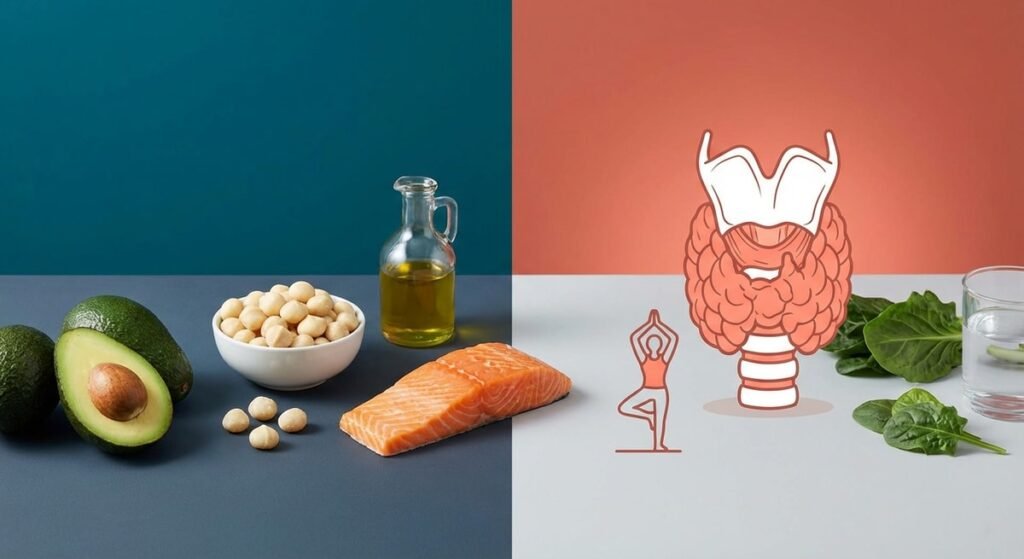
Struggling with thyroid health while on keto? You're not alone. Many individuals adopting a ketogenic lifestyle face unique challenges if they have hypothyroidism, Hashimoto’s, or other thyroid conditions. Balancing ketosis with optimal thyroid function requires nuanced strategies, as the low-carb, high-fat approach can influence hormone levels, nutrient absorption, and metabolic health.
This comprehensive guide explores advanced keto techniques tailored specifically to support thyroid health. Whether you’re managing symptoms or seeking to optimize your thyroid function, understanding the interplay between diet, nutrients, and lifestyle is key to sustainable success.
Learn scientifically-backed strategies, practical tips, and expert insights to refine your keto approach for better thyroid outcomes—empowering you to take control of your health with confidence.
Understanding the Link Between Keto and Thyroid Health
Thyroid Function Basics
The thyroid gland plays a critical role in regulating metabolism, energy levels, body temperature, and overall hormonal balance. It produces hormones like T4 (thyroxine) and T3 (triiodothyronine), which influence nearly every cell in the body. Proper thyroid function depends on sufficient nutrients, hormonal signaling, and balanced lifestyle factors.
Impact of Carbohydrates on Thyroid
Carbohydrates influence thyroid health through several mechanisms:
- Conversion of T4 to T3: Adequate carbohydrate intake supports this conversion, essential for active thyroid hormone levels.
- Insulin and Leptin Regulation: Stable insulin levels help maintain hormonal balance, including thyroid hormones.
- Stress Response: Very low-carb diets can sometimes increase cortisol, which may negatively impact thyroid function if unbalanced.
Why Keto Can Help or Harm
While keto can improve metabolic markers and reduce inflammation—beneficial for some thyroid conditions—an overly restrictive or poorly managed keto diet may:
- Reduce thyroid hormone conversion
- Lower body temperature and basal metabolic rate
- Trigger nutrient deficiencies critical for thyroid health
Thus, a tailored approach, emphasizing nutrient adequacy and macro balance, is vital to harness keto’s benefits without risking adverse effects.
Advanced Techniques for Supporting Thyroid Function on Keto
Nutrient Timing and Macro Adjustments
- Targeted Carbohydrate Intake: Incorporate small, nutrient-dense carbs around workouts or during the day to support T4 to T3 conversion.
- Adjust Fat and Protein Ratios: Slightly increasing carbs or moderating fat intake during periods of fatigue can improve thyroid hormone activity.
- Intermittent Fasting: Use cautiously; prolonged fasting may impair thyroid function, so consider shorter windows or gentle frequency.
Supplement Strategies
- Iodine: Essential for thyroid hormone synthesis. Use seaweed, iodized salt, or supplements under medical guidance.
- Selenium: Supports conversion of T4 to T3. Found in Brazil nuts, eggs, and seafood.
- Zinc: Important for hormone production. Sources include shellfish, pumpkin seeds, and beef.
- Omega-3 Fatty Acids: Reduce inflammation and support hormone signaling. Incorporate fatty fish like salmon or supplement with high-quality fish oil.
- Adaptogens: Herbs like Ashwagandha may support thyroid function and stress resilience but consult a healthcare provider first.
Incorporating Thyroid-Friendly Foods
- Seafood: Rich in iodine and selenium.
- Eggs: Contain selenium, zinc, and amino acids supporting thyroid health.
- Leafy Greens: Spinach, kale, and Swiss chard provide magnesium and antioxidants.
- Bone Broth: Rich in minerals and amino acids promoting gut and hormonal health.
Common Challenges and How to Overcome Them
Symptoms of Thyroid Imbalance on Keto
- Fatigue
- Cold intolerance
- Hair thinning
- Constipation
- Mood changes
Tip: Regularly monitor symptoms and adjust macros or nutrients accordingly.
Dealing with Fatigue and Brain Fog
- Ensure adequate carbohydrate intake at strategic times.
- Prioritize sleep and manage stress with relaxation techniques.
- Supplement with adaptogens if needed.
Managing Weight Fluctuations
- Use gradual macro adjustments.
- Incorporate strength training to support muscle mass.
- Keep a food and symptom journal to identify triggers.
Case Studies and Scientific Evidence
Successful Keto Approaches for Hypothyroidism
A study published in Nutritional Neuroscience observed that individuals with hypothyroidism experienced improved energy and mood when their diet included sufficient selenium and iodine while maintaining moderate carbs and balanced macros.
Research on Ketogenic Diet and Thyroid Function
Emerging evidence indicates that well-formulated keto diets, emphasizing nutrient density and macro moderation, can support thyroid health, but long-term studies are ongoing. Individual responses vary, underscoring the importance of personalized plans.
Expert Tips for Maintaining Long-Term Thyroid-Optimized Keto
- Regular Monitoring: Conduct periodic blood tests for TSH, Free T3, and Free T4 to guide dietary adjustments.
- Lifestyle Factors: Manage stress, prioritize sleep, and avoid environmental toxins.
- Community Support: Connect with professionals and support groups specializing in thyroid health and keto.
Thyroid Support Decision Tree
Start Here: Are you experiencing symptoms like fatigue, cold intolerance, or hair thinning?
- Option A: Yes → Consider supplementing with iodine, selenium, zinc; review macro ratios.
- Sub-question: Are your symptoms improving after adjustments?
- Yes → Continue current plan and monitor regularly.
- No → Consult with a healthcare professional for further testing.
- Sub-question: Are your symptoms improving after adjustments?
- Option B: No → Maintain your current keto diet, but include thyroid-supporting foods, and consider periodic nutrient testing.
- Sub-question: Are you planning to implement fasting or macro changes?
- Yes → Proceed cautiously; adjust based on symptoms.
- No → Keep stable macros and focus on nutrient-dense foods.
- Sub-question: Are you planning to implement fasting or macro changes?
Keto vs. Other Low-Carb Diets for Thyroid Health
| Feature | Keto | Paleo | Standard Low-Carb |
|---|---|---|---|
| Macro Ratios | 70-80% fat, 10-20% protein, <5% carbs | Moderate carbs (~20-50g/day), emphasis on whole foods | Varies; often moderate fat, moderate protein, low carbs |
| Food Choices | High-fat dairy, oils, nuts, low-carb vegetables | Lean meats, fruits, nuts, vegetables | Focus on low-carb vegetables, lean proteins |
| Nutrient Density | Can vary; requires careful planning | Usually nutrient-dense | Depends on food choices |
| Impact on Thyroid | Supportive if macros are balanced and nutrients are adequate | Generally supportive, emphasizing whole foods | Supportive if well planned |
| Best For | Those needing strict keto benefits with thyroid support | Those seeking a more balanced low-carb approach | Those preferring flexibility with low carbs |
Evaluation Criteria: Macro ratios, nutrient density, food diversity, potential thyroid impact, and flexibility.
Advanced Keto Optimization for Thyroid Support
- Incorporate small carbohydrate doses around workouts or in the morning to support T4 to T3 conversion.
- Prioritize iodine-rich foods like seaweed, fish, and shellfish.
- Supplement with selenium (e.g., Brazil nuts) and zinc if deficient.
- Use high-quality omega-3 supplements to reduce systemic inflammation.
- Schedule regular thyroid function tests and track symptoms.
- Manage stress with meditation, yoga, or breathing exercises.
- Improve sleep hygiene to support hormonal balance.
- Avoid excessive fasting durations; prefer gentle intermittent fasting if tolerated.
Conclusion
Optimizing keto for thyroid health involves a personalized blend of macro adjustments, nutrient support, and lifestyle modifications. Regular monitoring, strategic nutrient timing, and incorporating thyroid-friendly foods can significantly improve symptoms and support your overall metabolic health. Collaborate with healthcare providers to tailor your approach and ensure safe, sustainable progress.
Start implementing these advanced strategies today to create a keto plan that nurtures your thyroid. Your journey toward balanced health and vitality begins with informed, deliberate choices.
FAQ Section
Q: Can keto help improve hypothyroidism symptoms?
A: While keto may support metabolic health and reduce inflammation, it should complement medical treatment. Always consult your healthcare provider before making dietary changes.
Q: What nutrients are essential for thyroid support on keto?
A: Key nutrients include iodine, selenium, zinc, and omega-3 fatty acids. Incorporating foods like seafood, eggs, and nuts or using supplements under supervision can be beneficial.
Q: Are there risks of worsening thyroid issues on keto?
A: Yes, overly restrictive diets or macro imbalances can impair thyroid hormone production. Monitoring symptoms and adjusting macros are crucial to avoid negative effects.
Q: How can I tell if keto is affecting my thyroid?
A: Symptoms like fatigue, cold sensitivity, hair thinning, or weight changes may indicate imbalance. Blood tests for TSH, Free T3, and Free T4 provide objective insights.
Q: Should I consult a doctor before starting keto for thyroid health?
A: Absolutely. Especially if you have diagnosed thyroid conditions, professional guidance ensures safe dietary adjustments and proper monitoring.
Disclaimer: This article is for informational purposes and does not replace medical advice. Always consult your healthcare provider before making significant dietary or supplement changes, especially with thyroid conditions.