Introduction
Struggling to stick to a keto diet on a tight budget? You’re not alone. Many individuals interested in keto face the challenge of balancing nutritional needs with financial constraints. The good news is that maintaining a low-cost ketogenic lifestyle is entirely achievable with the right planning and strategies.
This comprehensive guide offers practical tips, meal plans, and shopping strategies to help you enjoy keto eating without overspending. Whether you’re a beginner or looking to optimize your current routine, you’ll learn how to select affordable ingredients, prep meals efficiently, and minimize food waste—all while staying on track with your health and weight loss goals.
By implementing these budget-conscious approaches, you can enjoy the benefits of keto without breaking the bank. Let’s dive into how you can make keto both affordable and sustainable.
Understanding Budget-Friendly Keto Principles
Affordable keto foods
Achieving a keto diet on a budget starts with choosing cost-effective, nutrient-dense foods. Focus on staples like eggs, canned seafood, frozen vegetables, and affordable cuts of meat. These options provide essential fats and proteins without high prices.
Meal prepping basics
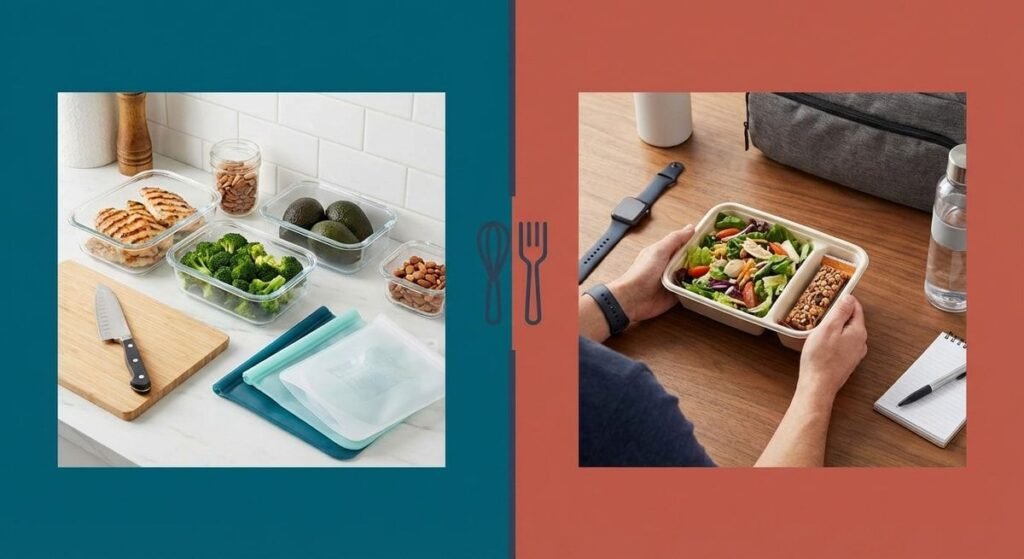
Meal prepping saves money and time by reducing impulse purchases and food waste. Planning your meals ahead ensures you buy only what you need and make the most of ingredients.
Cost-effective shopping tips
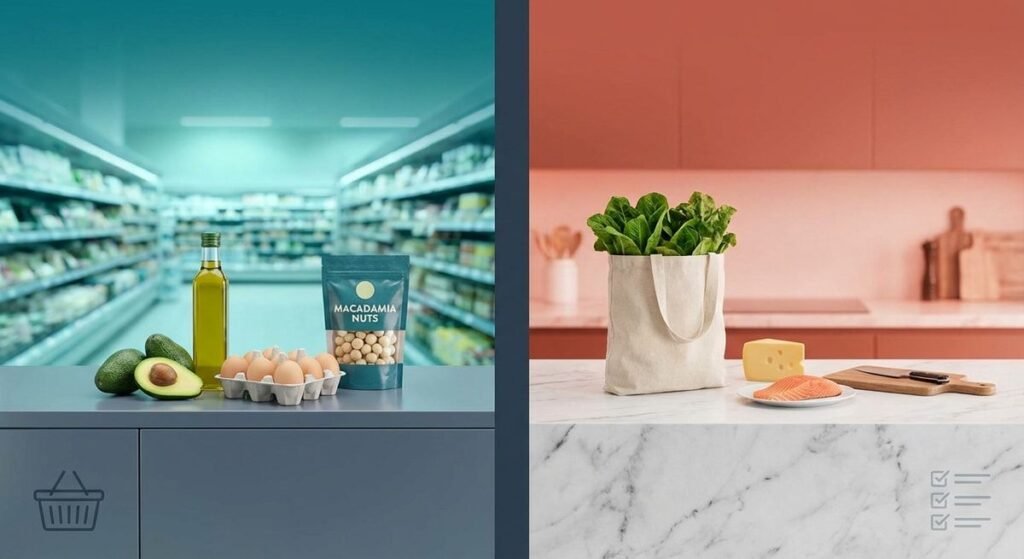
Shop smart by buying in bulk, choosing seasonal produce, and taking advantage of discounts or coupons. Avoid pre-packaged keto snacks, which are often pricey, and instead focus on versatile ingredients that can be used across multiple meals.
Creating a Weekly Budget Keto Meal Plan
Sample meal plans
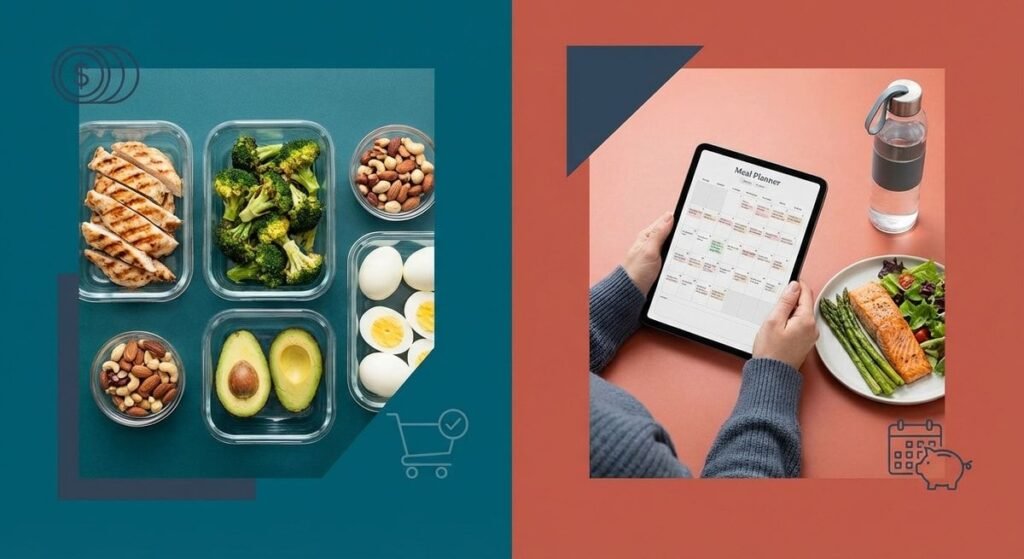
A typical budget-friendly keto week might include simple, repeatable meals like scrambled eggs with spinach, chicken stir-fry, or pork and cabbage skillet. The key is to keep ingredients affordable and versatile.
Meal frequency and portions
Eating 2–3 meals a day with appropriate portion sizes can help control costs. Adjust portions based on your macro needs, focusing on filling, nutrient-dense foods to prevent snacking on expensive processed snacks.
Balancing macros on a budget
Prioritize fats from affordable sources like eggs and canned tuna, and include moderate protein from chicken thighs or ground beef. Use low-cost vegetables like cabbage, zucchini, and frozen greens to fill your plate.
Shopping Strategies for Savings
Buying in bulk
Purchasing staples like eggs, chicken thighs, or frozen vegetables in bulk reduces per-unit costs and ensures you always have keto-friendly ingredients on hand.
Choosing seasonal produce
Seasonal vegetables are usually cheaper and fresher. For example, cabbage, zucchini, and frozen berries are economical options that fit keto macros.
Utilizing discounts and coupons
Look for sales on meat and pantry staples. Use store coupons and cashback apps to maximize savings on your keto shopping list.
Meal Prep Hacks to Minimize Waste and Cost
Batch cooking
Cook large portions of dishes like chili, soups, or casseroles. Divide into meal-sized containers to save time and money throughout the week.
Freezing meals
Freeze leftovers or bulk-prepped meals to extend shelf life and prevent waste. This allows you to take advantage of sales and use ingredients over time.
Using versatile ingredients
Choose ingredients that can be used across multiple meals, such as eggs, zucchini, and chicken. This reduces the need to buy many different products and keeps meals interesting.
Sample Budget Keto Meals
Breakfast options
- Scrambled eggs with spinach and cheese
- Omelet with leftover vegetables
- Bulletproof coffee with coconut oil and butter
Lunch ideas
- Tuna salad with lettuce and cucumbers
- Chicken and cabbage stir-fry
- Egg salad lettuce wraps
Dinner recipes
- Pork and cabbage skillet
- Ground beef and zucchini sauté
- Baked chicken thighs with roasted frozen vegetables
Keto Meal Planning Decision Tree
Keto Meal Planning Decision Tree
Start Here: Do you want to keep costs low and simplify your meal prep?
- Yes → Focus on staples like eggs, canned tuna, frozen vegetables, and affordable cuts of meat.
- Do you prefer quick, easy meals?
- Yes → Plan for batch-cooked dishes like casseroles and stir-fries.
- No → Incorporate more variety with slow-cooked roasts and fresh seasonal produce.
- Do you prefer quick, easy meals?
- No → Consider adding premium ingredients or specialty keto products, which may increase costs.
Are you shopping on a tight budget?
- Yes → Use shopping strategies like bulk buying, seasonal produce, and coupons.
- No → You can diversify ingredients but still aim for cost-effective options.
Budget-Friendly Keto Food List
| Food Item | Typical Price Range | Nutritional Highlights | Keto-Friendliness |
|---|---|---|---|
| Eggs | $1.50/dozen | High-quality protein, healthy fats | Excellent |
| Canned Tuna/Salmon | $1–2 per can | Rich in omega-3s, protein | Excellent |
| Frozen Spinach/Zucchini | $1–2 per bag | Low-carb, nutrient-dense vegetables | Excellent |
| Chicken Thighs | $2–3 per pound | Affordable, flavorful, high fat content | Excellent |
| Cabbage | $1–2 per head | Filling, versatile, low-cost vegetable | Excellent |
| Ground Beef | $3–4 per pound | Cost-effective protein source | Excellent |
| Coconut Oil / Butter | $3–5 per container | Healthy fats, cooking versatility | Excellent |
| Full-fat Cheese | $2–4 per block | Adds flavor, fat, and protein | Good |
| Frozen Mixed Vegetables | $1.50–3 per bag | Convenient and affordable | Good |
Keto Meal Prep and Shopping Checklist
- Plan your weekly meals based on affordable ingredients and repeatable recipes.
- Create a shopping list focusing on bulk staples, seasonal produce, and discounted items.
- Shop during sales and use coupons to maximize savings.
- Buy in bulk for items like eggs, meats, and frozen vegetables.
- Prepare meals in batches such as casseroles, stir-fries, or soups.
- Portion and store leftovers in airtight containers for quick access.
- Freeze extras to prevent spoilage and save for future meals.
- Use versatile ingredients across multiple recipes to reduce variety costs.
- Label and organize your freezer and pantry to keep track of supplies.
Conclusion
Affordable keto meal planning is within your reach with strategic shopping, meal prep, and smart ingredient choices. By focusing on cost-effective staples, utilizing bulk buying, and preparing meals in advance, you can maintain a low-cost ketogenic lifestyle that aligns with your health and weight goals.
Start implementing these tips today! To help you get started, download our free budget keto meal plan template {{LINK:budget-keto-template}} and take the first step toward sustainable, budget-friendly keto eating.
FAQ Section
Q: How can I keep my keto meals affordable?
A: Focus on buying staples like eggs, cabbage, and chicken in bulk, plan simple meals, and utilize frozen or seasonal produce to reduce costs while maintaining keto compliance.
Q: What are some inexpensive keto-friendly foods?
A: Inexpensive keto foods include eggs, canned tuna, frozen vegetables, cabbage, chicken thighs, and affordable cuts of pork or beef.
Q: How do I create a weekly keto meal plan on a budget?
A: Start by selecting cost-effective ingredients, plan repeatable meals, calculate macros to avoid waste, and batch cook to save time and money.
Q: Are there any tips for saving money while grocery shopping for keto?
A: Yes, buy in bulk, shop during sales, use coupons, choose store brands, and avoid pre-packaged keto snacks which tend to be expensive.
Q: How can I prevent food waste with my keto meal plan?
A: Meal prep in advance, freeze leftovers, use versatile ingredients across multiple meals, and properly store fresh produce to extend shelf life.
By following these practical strategies, you can enjoy a delicious, healthy, and budget-friendly keto lifestyle that supports your goals. Happy keto shopping and meal prepping!