What is Ketosis: A Comprehensive Comparison for Beginners and Enthusiasts
Introduction
Ever wondered what ketosis is and how it can transform your health journey? If you’re exploring low-carb living or considering a ketogenic diet, understanding ketosis is fundamental. This metabolic state can support weight loss, mental clarity, and overall health, but it’s essential to grasp the different types of ketosis, how they work, and what they mean for your body.
This article explores the various forms of ketosis, compares their characteristics, and provides practical guidance on achieving and maintaining it safely. By the end, you’ll be equipped with the knowledge to make informed decisions about your dietary choices and optimize your health goals.
Main Sections
1. Understanding Ketosis: The Basics
What is Ketosis?
Ketosis is a natural metabolic state where your body primarily burns fat for fuel instead of carbohydrates. When carbohydrate intake is low, the body shifts to breaking down stored fat into molecules called ketone bodies, which serve as an alternative energy source.
How Ketosis Works
Under normal circumstances, the body relies on glucose derived from carbs. When carbs are restricted (typically to less than 50 grams per day), insulin levels decrease, prompting the liver to produce ketones from fatty acids. These ketones circulate in the blood and fuel various tissues, including the brain, which normally depends on glucose.
Biological Mechanisms
This shift involves:
- Reduced insulin levels
- Increased lipolysis (fat breakdown)
- Elevated ketone production (acetoacetate, beta-hydroxybutyrate, acetone)
- Adaptation of tissues to utilize ketones efficiently
2. Types of Ketosis and Their Benefits
Keto vs. Non-Keto Fat Burning
To help clarify whether ketosis aligns with your goals, consider the following decision tree:
Keto vs. Non-Keto Fat Burning
Start Here: Do you want to burn fat primarily for weight loss and mental clarity?
- Option A → Yes
- Are you willing to restrict carbs significantly?
- Yes → Follow a ketogenic diet to reach nutritional ketosis.
- No → Consider a low-carb but not strict keto approach.
- Are you willing to restrict carbs significantly?
- Option B → No
- Are you okay with burning fat through calorie deficit and exercise?
- Yes → Non-keto fat burning via traditional dieting.
- No → Reconsider your approach based on your health needs.
- Are you okay with burning fat through calorie deficit and exercise?
Types of Ketosis and Their Characteristics
| Feature | Nutritional Ketosis | Therapeutic Ketosis | Pathological Ketosis |
|---|---|---|---|
| Definition | Mild ketosis achieved through diet | High-level ketosis for medical purposes | Severe, uncontrolled ketosis (ketoacidosis) |
| Typical Ketone Levels | 0.5 – 3.0 mmol/L | 3.0 – 8.0 mmol/L | >10 mmol/L |
| Nutritional Intake | Very low carbs, moderate protein, high fat | Very low carbs, often with medical supervision | Usually due to diabetes or other conditions |
| Purpose | Weight loss, mental clarity, energy | Medical treatment (e.g., epilepsy) | Medical emergency, requires urgent care |
| Monitoring Required | Optional, via ketone strips or meters | Mandatory under medical guidance | Critical medical intervention needed |
| Health Implications | Generally safe for healthy individuals | Can improve certain health conditions | Potentially life-threatening if unmanaged |
Structured Table: Ketogenic Diet vs. Low-Carb Diet: Key Differences
| Column 1 | Column 2 | Column 3 | Column 4 |
|---|---|---|---|
| Focus | Strict carbohydrate restriction | Moderate carb intake | General reduction of carbs |
| Typical Carbohydrate Intake | <50 grams/day | 50-150 grams/day | Variable, often higher |
| Main Food Sources | Fats, moderate protein, low-carb vegetables | Lean meats, nuts, some fruits | Whole grains, fruits, vegetables |
| Goal | Achieve and maintain ketosis | Support weight loss and health | Improve metabolic health |
| Health Benefits | Fat burning, mental clarity | Weight management, blood sugar control | Better blood sugar, reduced inflammation |
How We Chose: Our Methodology
In comparing the types of ketosis and diets, we considered:
- Scientific validity: Based on peer-reviewed research
- Practicality: Ease of implementation for beginners
- Safety: Risk profiles and monitoring needs
- Health benefits: Evidence-supported advantages
- Use cases: Suitability for different health goals
This comprehensive approach ensures you receive balanced, actionable insights to guide your low-carb journey.
3. How to Achieve Ketosis Safely
Dietary Strategies
- Limit daily carbohydrate intake to 20-50 grams
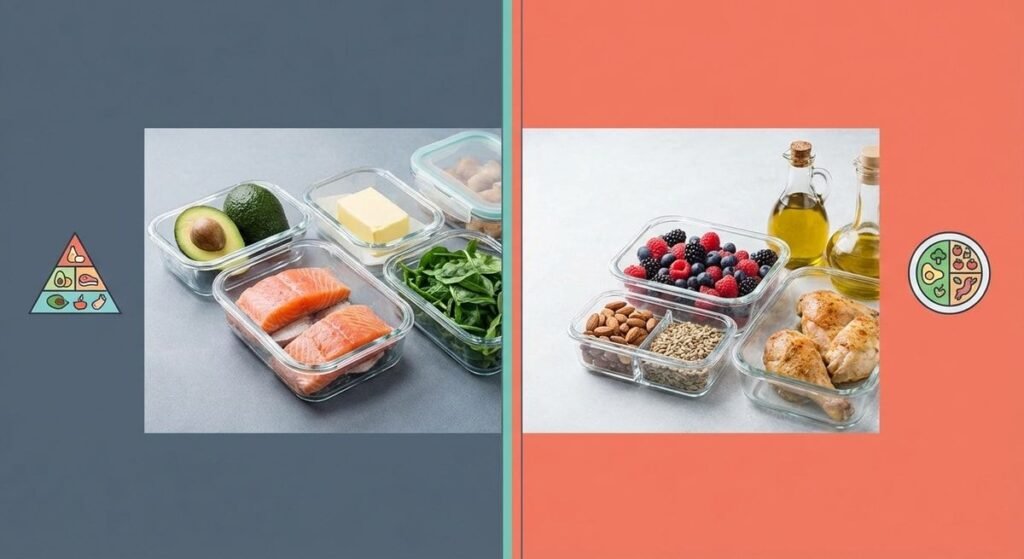
- Increase healthy fats (avocado, nuts, olive oil)
- Moderate protein intake (as excess protein can hinder ketosis)
- Incorporate low-carb vegetables
Monitoring Ketone Levels
- Use urine strips, blood ketone meters, or breath analyzers
- Track regularly to ensure you’re in the desired ketone range
Common Mistakes
- Eating too many carbs
- Over-consuming protein
- Not staying hydrated
- Neglecting electrolyte balance
- Expecting rapid results without consistency
4. Comparing Keto to Other Low-Carb Approaches
Keto vs. Low-Carb Diets
| Aspect | Ketogenic Diet | Low-Carb Diet |
|---|---|---|
| Carbohydrate limit | Usually <50 grams/day | 50-150 grams/day |
| Focus | Achieving ketosis | Reducing carbs, not necessarily ketosis |
| Flexibility | Less flexible, more restrictive | More flexible |
| Main benefits | Fat burning, mental clarity | Weight loss, blood sugar control |
| Suitability | Those aiming for ketosis or therapeutic benefits | General health improvement |
Advantages and Disadvantages
- Keto: Accelerates fat loss, improves mental clarity, but can be challenging to maintain
- Low-Carb: Easier adherence, sustainable long-term, but may have less pronounced ketosis
Suitability for Different Goals
- Keto is ideal for rapid fat loss, neurological health, or specific medical conditions
- Low-carb diets suit those seeking sustainable weight management and metabolic health
Potential Risks and Considerations
Side Effects
- Keto flu (fatigue, headache, irritability)
- Constipation
- Nutrient deficiencies
- Elevated cholesterol in some cases
Who Should Avoid Keto
- Pregnant or breastfeeding women
- People with pancreatic or liver diseases
- Those with certain metabolic disorders
- Individuals on specific medications (e.g., for diabetes) should consult healthcare providers
Long-term Implications
- Research ongoing, but some concerns include nutrient adequacy and sustainability
- Regular monitoring and diet adjustments recommended
Conclusion
Understanding the different forms of ketosis and how to achieve it safely empowers you to make informed dietary choices aligned with your health goals. Whether you’re aiming for weight loss, mental clarity, or therapeutic benefits, knowing the nuances helps you navigate your low-carb journey effectively.
Remember, consulting with a healthcare professional is crucial before starting any significant dietary change. Explore our {{LINK:beginner-keto-guide}} for practical tips and support as you embark on your keto adventure.
This article is for informational purposes only and does not substitute professional medical advice. Consult a healthcare provider before making significant dietary changes.
This article is for informational purposes only and does not substitute professional medical advice. Consult a healthcare provider before making significant dietary changes.
FAQ Section
Q: What are the signs that I am in ketosis?
A: Signs include increased energy, mental clarity, reduced appetite, and the presence of keto breath. Using ketone test strips can confirm your state of ketosis.
Q: How long does it take to reach ketosis?
A: Typically, it takes 2-4 days of strict carbohydrate restriction, but it can vary depending on factors like activity level and metabolic rate.
Q: Is ketosis safe for everyone?
A: While generally safe for healthy individuals, those with medical conditions such as pancreatitis or liver disease should consult a healthcare provider before attempting ketosis.
Q: Can I achieve ketosis without strict dieting?
A: Achieving ketosis usually requires strict carbohydrate restriction, but some people may enter mild ketosis with moderate carb intake combined with fasting or exercise.
Q: What foods should I avoid on a keto diet?
A: Avoid sugary foods, grains, high-carb fruits, starchy vegetables, and processed foods to stay in ketosis. Focus on healthy fats, moderate protein, and low-carb vegetables.
Embark on your ketosis journey with confidence, knowing that proper guidance and understanding are key to success!