Keto Meal Prep Basics
Introduction
Starting a keto diet can be a game-changer for your health, weight management, and overall lifestyle. However, one of the most effective ways to stay on track is mastering the art of keto meal prep from the outset. Proper planning and execution not only save time and reduce stress but also ensure you maintain your low-carb, high-fat goals consistently.
To help you succeed, this guide provides comprehensive insights into keto meal prep basics, including practical tips, essential tools, and common pitfalls to avoid. Whether you're new to keto or looking to refine your routine, learning these fundamentals will empower you to plan, prepare, and store keto-friendly meals with confidence.
Keto Meal Prep Checklist
Before diving into the details, here's a quick checklist to ensure you have everything needed for successful keto meal prep:
- Essential Tools: Sharp knives, cutting boards, measuring cups/spoons, slow cooker or instant pot, baking sheets, mixing bowls
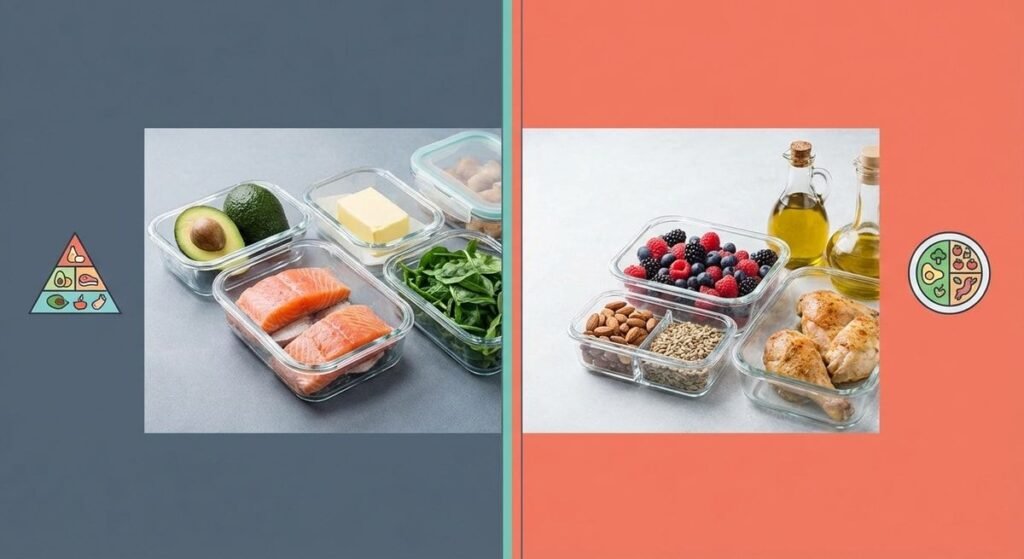
- Storage Containers: Airtight, BPA-free containers suitable for fridge and freezer
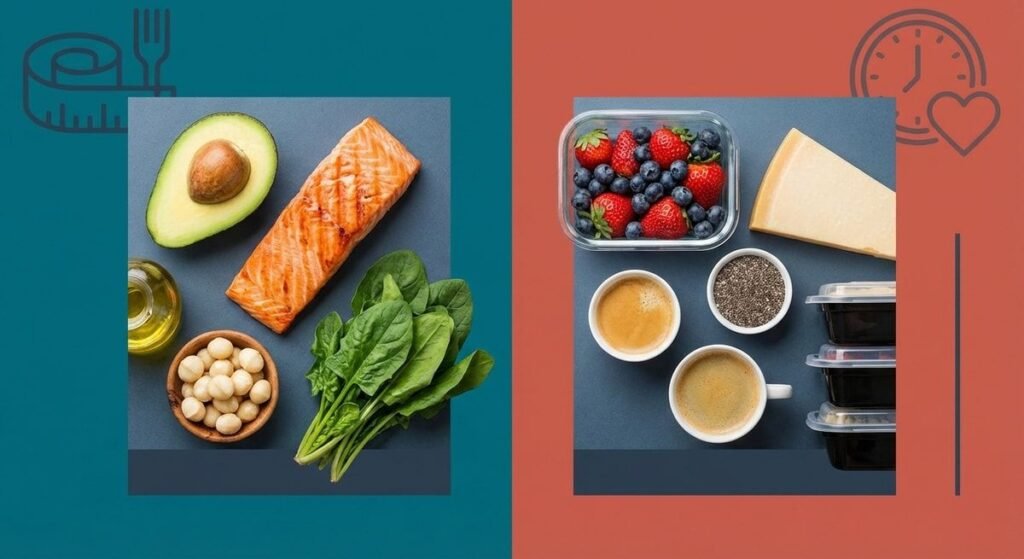
- Ingredients: High-quality proteins (chicken, beef, fish), low-carb vegetables (leafy greens, zucchini, cauliflower), healthy fats (olive oil, avocado, nuts), keto-approved snacks
- Meal Planning: Weekly menu, shopping list, batch cooking schedule
- Other Supplies: Labels for dating meals, reusable silicone bags, meal prep gloves
Main Sections
1. Understanding Keto Meal Prep
What is keto meal prep?
Keto meal prep involves planning, cooking, and portioning low-carb, high-fat meals in advance to streamline your daily eating routine. It often includes batch cooking ingredients or entire meals that can be stored and reheated, reducing daily cooking time and decision fatigue.
Benefits of meal prepping on keto
- Consistency: Helps stay within your carb limits and maintain ketosis
- Time-saving: Reduces daily cooking and cleaning
- Cost-effective: Bulk purchasing and batch cooking save money
- Reduces stress: Less last-minute meal decisions
- Supports health goals: Encourages balanced, portion-controlled meals
Common misconceptions
- Meal prep is only for advanced cooks: Not true—simple prep techniques work well for beginners.
- Keto meal prep is boring: With variety and creativity, you can keep meals exciting.
- Meal prep limits flexibility: Proper planning allows for flexibility and spontaneous choices.
2. Essential Tools and Equipment
Must-have kitchen tools
| Tool | Purpose | Recommendations |
|---|---|---|
| Sharp knives | Efficient chopping | Chef’s knife, paring knife |
| Cutting boards | Food prep | Separate boards for meat and vegetables |
| Measuring cups/spoons | Accurate portions | Stainless steel or plastic |
| Baking sheets & pans | Roasting & baking | Non-stick, easy to clean |
| Slow cooker / Instant pot | One-pot meals | Versatile for batch cooking |
| Food processor | Quick chopping & blending | Saves prep time |
Storage containers
- Airtight, leak-proof containers
- Suitable for fridge and freezer
- Label with date to track freshness
Meal prep accessories
- Reusable silicone bags
- Meal prep gloves
- Labels and markers
3. Planning Your Keto Meal Prep
Creating a weekly meal plan
A solid plan simplifies shopping and prep. Consider:
- Breakfast options (e.g., egg muffins, yogurt with nuts)
- Lunch and dinner recipes (e.g., grilled chicken with roasted vegetables)
- Snacks (e.g., cheese, nuts, hard-boiled eggs)
- Incorporate variety to prevent boredom
Grocery shopping tips
- Make a detailed shopping list based on your meal plan
- Shop in bulk for non-perishables (nuts, oils, spices)
- Choose fresh, high-quality ingredients
- Consider local markets for better produce
Batch cooking strategies
- Cook proteins in bulk (roast chicken, ground beef)
- Prepare large batches of low-carb vegetables
- Pre-portion meals for easy grab-and-go options
- Freeze portions for longer shelf life
4. Executing Your Meal Prep
Preparation tips
- Dedicate a specific day/time for prep (e.g., Sunday afternoon)
- Wash, chop, and portion ingredients in advance
- Use versatile ingredients across multiple meals
Cooking techniques
- Roast or grill proteins for flavor and ease
- Sauté vegetables quickly with healthy fats
- Use slow cookers for tender, flavorful dishes
- Reheat meals properly to maintain quality
Storing meals safely
- Cool hot foods before sealing and refrigerating
- Use airtight containers to prevent spoilage
- Label meals with prep date
- Store perishable items in the fridge, freeze extras
5. Common Challenges and How to Overcome Them
Time management
- Batch cook on weekends to free up weekdays
- Use quick recipes for busy days
- Prepare ingredients in advance to streamline cooking
Ingredient sourcing
- Find reliable local or online keto-friendly suppliers
- Keep a stock of versatile pantry staples
- Substitute ingredients to accommodate availability
Meal variety
- Rotate recipes weekly
- Experiment with different seasonings and flavorings
- Incorporate new keto-friendly ingredients regularly
Keto Meal Prep Decision Tree
Here's a simplified visual flow to help you decide your meal prep approach based on your preferences and restrictions:
Start
│
├─ Do you prefer cooking entire meals or ingredients?
│   ├─ Entire meals → Batch cook and portion for the week
│   └─ Ingredients → Prepare proteins, vegetables, fats separately
│
├─ Do you have dietary restrictions?
│   ├─ Yes → Choose substitutes (e.g., cauliflower rice, almond flour)
│   └─ No → Use standard keto ingredients
│
├─ How much time can you dedicate?
│   ├─ Limited (1-2 hours/week) → Focus on simple recipes and batch cooking
│   └─ More time → Try complex recipes and diverse meal options
│
└─ Do you prefer freezing meals or eating fresh?
    ├─ Freezing → Prepare bulk, store in freezer, thaw as needed
    └─ Fresh → Prepare smaller portions for daily use
(Insert a visual flowchart for clarity if desired)
6. Sample Weekly Keto Meal Prep Schedule
| Day | Task | Details | Tips |
|---|---|---|---|
| Sunday | Planning & Shopping | Finalize menu, create shopping list | Stick to your list to avoid impulse buys |
| Sunday | Batch Cooking | Cook proteins, roast veggies, prepare fats | Use multiple appliances for efficiency |
| Sunday | Portioning & Storage | Divide into containers, label | Leave some meals for immediate use |
| Monday–Friday | Reheat & Enjoy | Daily meals ready to go | Mix up seasonings for variety |
| Saturday | Review & Prep | Tidy storage, plan next week | Use leftovers creatively |
Conclusion
Mastering keto meal prep basics can dramatically simplify your low-carb journey. By investing a little time upfront, you’ll enjoy consistent, delicious, and nutritious meals that keep you aligned with your health and weight goals. With the right tools, planning, and techniques, meal prep becomes an empowering routine rather than a hassle.
Start today—apply these fundamentals, experiment with recipes, and build your confidence in keto meal prep. Your healthier, more manageable keto lifestyle awaits!
FAQ Section
Q: How much time should I dedicate to keto meal prep each week?
A: Most beginners find that dedicating 2-3 hours once a week for meal prep is sufficient to prepare meals for several days, depending on the complexity of recipes.
Q: What are some easy keto meal prep recipes for beginners?
A: Simple recipes like baked chicken thighs, roasted vegetables, and egg muffins are great options that require minimal ingredients and preparation time.
Q: How can I keep my meal prep fresh throughout the week?
A: Use airtight containers, store meals in the refrigerator or freezer as appropriate, and label them with dates to ensure freshness and safety.
Q: What are common mistakes to avoid in keto meal prep?
A: Avoid over-preparing perishable ingredients, neglecting variety, and not planning for snacks or leftovers, which can lead to boredom or food waste.
Q: How do I adapt meal prep when I have dietary restrictions?
A: Focus on keto-friendly substitutes that meet your restrictions, such as using cauliflower rice instead of regular rice, and tailor recipes to your specific needs.
Final Note
Embarking on your keto meal prep journey with confidence will set you up for success. Remember, consistency and planning are key. Happy prepping!