Introduction
Thinking about starting a keto diet but unsure where to begin? You’re not alone. Many individuals are curious about the ketogenic lifestyle but feel overwhelmed by the information out there. This guide provides a step-by-step approach for beginners to understand, plan, and successfully adopt a keto lifestyle. From understanding the basics to meal planning, we’ve got you covered.
By the end of this article, you’ll have the knowledge and confidence to start your keto journey effectively and sustainably.
Keto Preparation Checklist
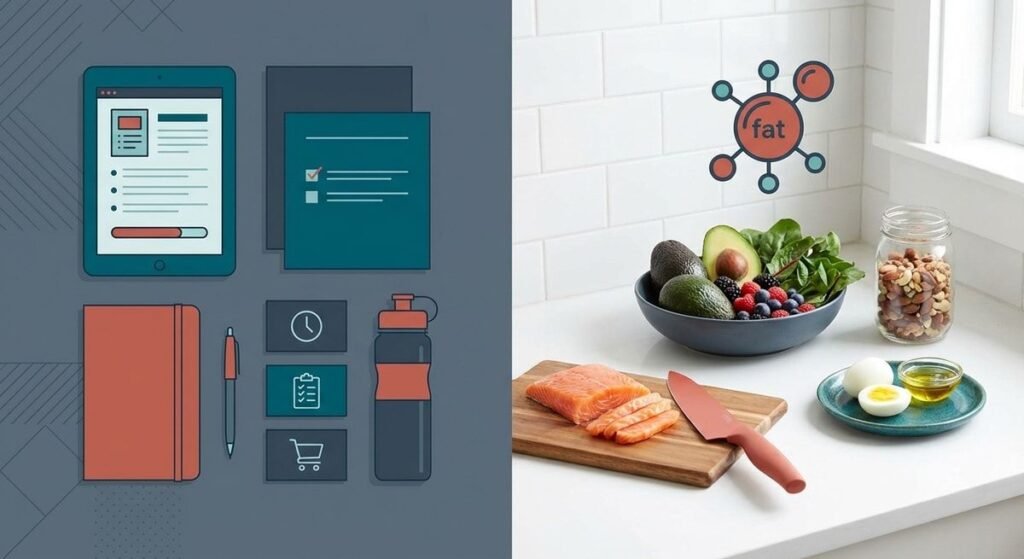
Before diving into the keto diet, here’s a comprehensive checklist of essential steps, foods to buy, and common mistakes to avoid:
- Assess your health: Consult your doctor if you have underlying health conditions.
- Research the basics: Familiarize yourself with keto principles.
- Stock your pantry: Purchase keto-friendly foods (see the food list below).
- Plan your meals: Create a meal plan for your first week.
- Stay hydrated: Increase your water intake.
- Monitor your progress: Consider tracking your weight and ketone levels.
Understanding the Basics of the Keto Diet
What is the ketogenic diet?
The ketogenic diet, often referred to as the keto diet, is a low-carb, high-fat eating plan designed to shift the body’s metabolism from burning glucose for energy to burning fat. This metabolic state is known as ketosis.
How does ketosis work?
When carbohydrate intake is significantly reduced, the body no longer has enough glucose for energy. In response, the liver converts fat into ketones, which serve as an alternative energy source. This transition can lead to various health benefits.
Benefits of keto for beginners
- Weight loss: Many people experience rapid weight loss due to the reduction in carbohydrate intake and increased fat burning.
- Increased energy levels: Once adapted, many individuals report improved energy levels and mental clarity.
- Better appetite control: Fat is more satiating than carbohydrates, which can help reduce hunger pangs.
Preparing for Your Keto Journey
Assessing your health
Before starting a keto diet, it’s important to assess your current health status. Consider speaking with a healthcare provider, especially if you have pre-existing conditions like diabetes or heart disease.
Grocery shopping tips
- Stick to the perimeter of the store: Fresh produce, meats, and dairy are typically found around the edges.
- Read labels: Look for hidden sugars in processed foods.
- Plan your meals: Make a shopping list based on your meal plan to avoid impulse buys.
Keto pantry essentials
Here’s a list of essential items to stock your pantry for a successful keto diet:
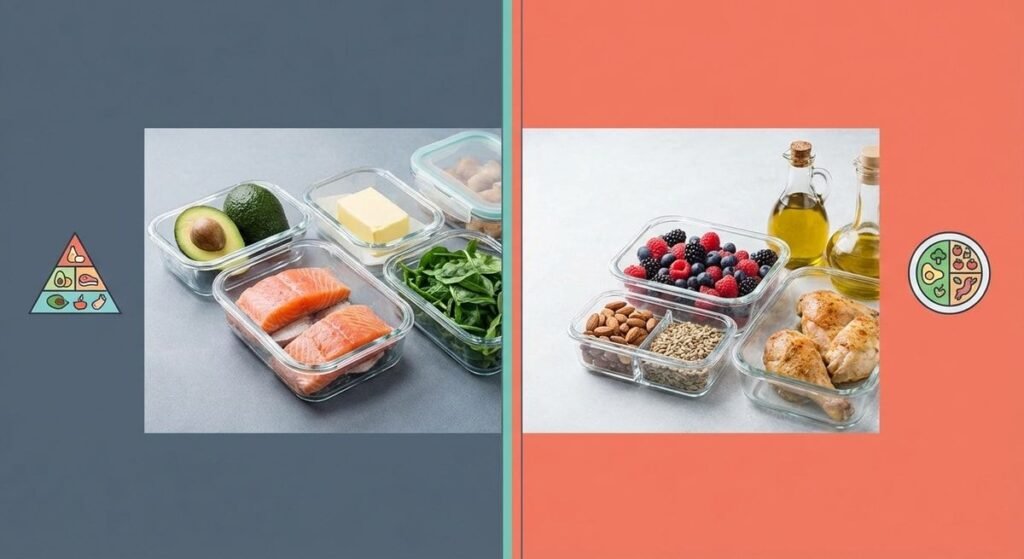
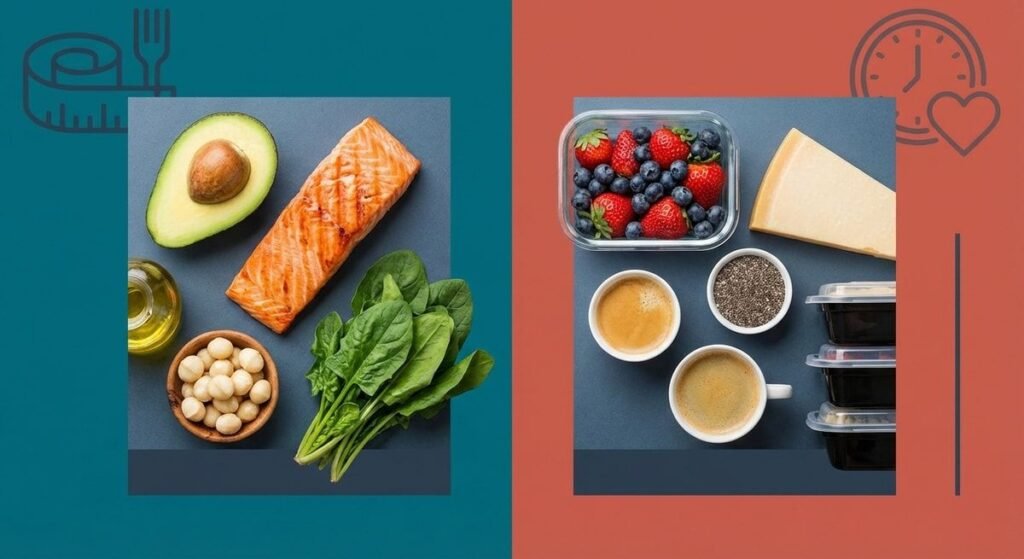
- Healthy fats: olive oil, coconut oil, avocado oil
- Proteins: grass-fed meats, eggs, fish
- Low-carb vegetables: leafy greens, broccoli, cauliflower
- Nuts and seeds: almonds, chia seeds, flaxseeds
- Dairy: cheese, heavy cream, unsweetened yogurt
Planning Your First Keto Meals
Sample meal plans
Here’s a simple 7-day meal plan to kickstart your keto journey:
| Day | Breakfast | Lunch | Dinner |
|---|---|---|---|
| Monday | Scrambled eggs with spinach | Grilled chicken salad | Zucchini noodles with meat sauce |
| Tuesday | Keto smoothie with avocado | Tuna salad with mayo | Baked salmon with asparagus |
| Wednesday | Omelette with cheese | Turkey and cheese roll-ups | Pork chops with broccoli |
| Thursday | Greek yogurt with nuts | Egg salad | Stir-fried beef with bell peppers |
| Friday | Bacon and eggs | Chicken Caesar salad | Grilled shrimp with zucchini |
| Saturday | Chia seed pudding | Caprese salad | Roast chicken with Brussels sprouts |
| Sunday | Smoothie with spinach and protein | Leftover roast chicken | Meatballs with marinara sauce |
Keto breakfast ideas
- Scrambled eggs with avocado
- Chia seed pudding
- Smoothies made with unsweetened almond milk and spinach
Simple lunch and dinner recipes
- Keto Chicken Salad: Combine shredded chicken, mayo, celery, and spices.
- Zucchini Noodles: Toss with olive oil, garlic, and your choice of protein.
Common Challenges & How to Overcome Them
Keto flu symptoms
When starting the keto diet, some may experience “keto flu,” which can include fatigue, headaches, and irritability. To minimize these symptoms:
- Stay hydrated by drinking plenty of water.
- Replenish electrolytes by consuming foods like avocados and nuts.
- Gradually reduce carbohydrates rather than cutting them all at once.
Cravings and how to manage them
- Stay busy: Distract yourself with activities.
- Choose keto snacks: Keep keto-friendly snacks on hand to satisfy cravings.
- Practice mindful eating: Focus on your meals and avoid distractions.
Sticking to the diet long-term
- Find community: Join keto forums or local meet-ups for support.
- Experiment with recipes: Keep your meals interesting to prevent boredom.
Monitoring Your Progress & Adjustments
Tracking ketone levels
To measure your ketone levels, consider using ketone test strips or a blood ketone meter. Aim for a blood ketone level of 1.5 to 3.0 mmol/L for optimal results.
Signs of ketosis
- Increased energy levels
- Reduced hunger
- Fruity-smelling breath
When to modify your approach
If you’re not seeing results after several weeks, consider adjusting your macronutrient ratios or consulting a nutritionist for personalized advice.
Conclusion
Starting a keto diet involves understanding its fundamentals, proper preparation, meal planning, and overcoming initial challenges. With patience and consistency, you can successfully adopt this lifestyle.
Begin your keto journey today by downloading our free starter checklist and meal plan to set yourself up for success!
FAQ Section
Q: What is the keto diet and how does it work?
A: The keto diet is a low-carb, high-fat eating plan that shifts your body into a state of ketosis, where it burns fat for energy instead of carbohydrates. This metabolic switch can lead to weight loss and improved mental clarity.
Q: How long does it take to enter ketosis?
A: Typically, it takes between 2 to 7 days of strict carbohydrate restriction to reach ketosis, although this varies based on individual metabolism and activity levels.
Q: What are common side effects when starting keto?
A: Many beginners experience ‘keto flu,’ which includes symptoms like fatigue, headaches, and irritability. Staying hydrated, replenishing electrolytes, and gradually reducing carbs can help minimize these effects.
Q: Can I eat out while on keto?
A: Yes, many restaurants offer keto-friendly options. Focus on meats, salads, and low-carb vegetables, and avoid breaded or fried foods to stay within your macros.
Q: Is the keto diet safe for everyone?
A: While generally safe for healthy individuals, those with certain medical conditions should consult a healthcare provider before starting keto to ensure it’s appropriate for their situation.
Keto-Friendly Food List
| Category | Allowed Foods | Limited Foods | Forbidden Foods |
|---|---|---|---|
| Proteins | Grass-fed beef, chicken, fish, eggs | Pork, certain deli meats | Breaded meats, high-carb meats |
| Vegetables | Leafy greens, broccoli, cauliflower | Peas, carrots, sweet potatoes | Corn, potatoes, beans |
| Fats | Olive oil, coconut oil, butter | Avocado oil, nut oils | Margarine, hydrogenated oils |
| Dairy | Cheese, heavy cream | Milk, yogurt (unsweetened) | Ice cream, sweetened yogurt |
| Snacks | Nuts, seeds, pork rinds | Dark chocolate (in moderation) | Chips, candy |
Keto Diet Starter Decision Tree
graph TD;
    A[Start Here] --> B{What is your primary goal?};
    B --> |Weight Loss| C[Follow a strict keto plan];
    B --> |Improved Energy| D[Consider a targeted keto approach];
    B --> |Health Management| E[Consult a healthcare professional];
    C --> F[Track your macros];
    D --> G[Incorporate carbs around workouts];
    E --> H[Follow a modified keto plan];
This article provides a comprehensive overview of how to start a keto diet tailored for beginners, combining actionable steps, practical tips, and essential resources to ensure a smooth transition.


---

**Affiliate Disclosure:** This post may contain affiliate links. If you make a purchase through these links, we may earn a commission at no additional cost to you. This helps support our work and allows us to continue providing valuable content.